![[object Object]](https://res.cloudinary.com/dlwdq84ig/image/upload/w_3840,q_auto,c_scale/x1qgcm5jcooqwptm0kbq)



How to Clean a Baseball or Softball Glove
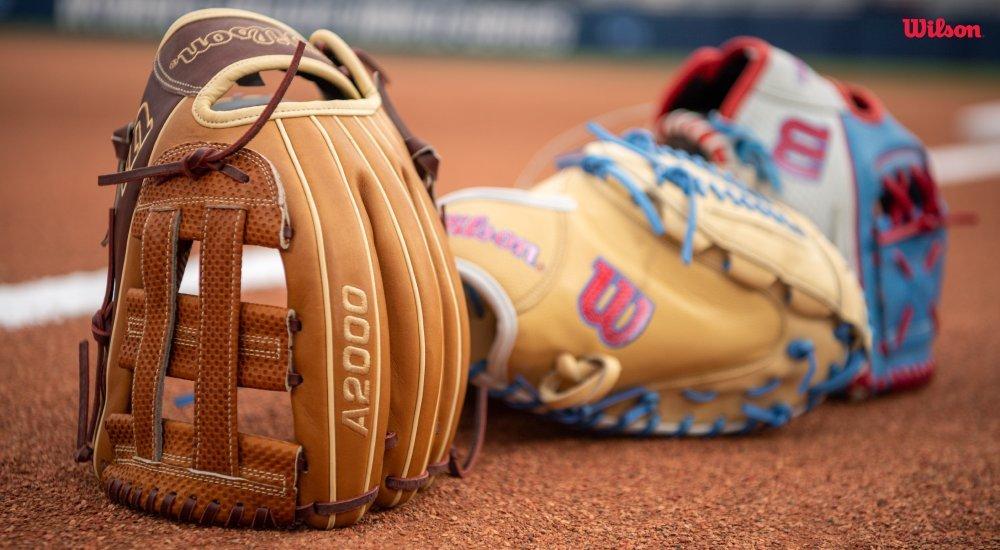
A well-fitting, well-maintained baseball or softball glove is an important investment in your athlete’s performance and safety. Whether your player is just starting out or competing at a high level, proper glove care helps maximize comfort, grip, and confidence on the field. Our Experts share how to clean and care for your glove in this easy guide, so you can ensure your glove is always game-ready.
In this step-by-step guide, we’ll cover:
Why Glove Maintenance Matters for Performance and Safety
Leather gloves require upkeep to stay flexible, durable, and comfortable. Dirt works like sandpaper, wearing down leather and laces. Sweat deposits salt inside the glove, drying out the leather and causing cracking. If the leather dries out, the glove stiffens; too much oil and it gets heavy and loses shape.
A simple cleaning routine preserves the glove’s fit, keeps laces strong, and protects your investment.
What You’ll Need to Get Started
It's important to choose the right supplies, as common household cleaners can damage leather. Here’s what you’ll need:
Must-Have Supplies
-
Soft cloths or microfiber towels: One each for cleaning, wiping, and conditioning.
-
Soft-bristle brush or old toothbrush: Lifts loose dirt from seams, stitching, and logos gently.
-
Glove cleaner: Use a dedicated leather or glove cleaner for safe, effective cleaning.
-
Glove conditioner or oil: Brands like Rawlings or Mizuno offer quality conditioners with safe ingredients.
-
Glove mallet (optional): Helpful for shaping the pocket after cleaning.
-
Sponge: Use for careful application of cleaner.
What to Avoid
-
Dish soap or bar soap: Are too harsh and can strip natural oils.
-
Olive or vegetable oil: Can spoil and attract odors.
-
Petroleum jelly: Sits on the surface and weighs down leather.
-
Heat: Never use direct heat to dry a glove, as it can ruin leather.
Step 1: Preparation and Surface Cleaning
Ensure the glove is dry before starting. Liquids can push dirt deeper if you skip this step.
Remove Excess Dirt
Shake or clap the glove free of dust. Use a dry brush to gently clean the leather, paying special attention to laces and seams. For hook-and-loop straps, a fine-tooth comb helps remove debris for secure closure.
Inspect the Glove
Check for thinned or broken laces, tears inside finger stalls, and signs of mold. If you spot mold, be sure to buff out any growth before standard cleaning.
Step 2: Deep Cleaning the Leather Exterior
Leather requires gentle care. It’s important to never soak or use excess water when cleaning a leather glove.
Apply Cleaner
Dampen a sponge or cloth (not soaking wet), apply a small amount of glove cleaner, and work it into a lather before applying it to the glove. Clean in sections using gentle, circular motions.
Remove Residue
Wipe away the lather promptly with a clean, dry cloth. Repeat until you’ve cleaned the entire glove.
Step 3: Cleaning the Inside of the Glove
Don’t skip the inside—it’s where odors and salt build up. Follow these steps:
-
Ensure all loose dirt and dust are cleared with a dry brush or cloth.
-
Use a clean, damp cloth and a touch of leather cleaner to wipe the lining and finger stalls.
-
Air out the glove, open, until fully dry before conditioning.
Step 4: Conditioning the Glove
Restoring natural oils keeps the glove strong and flexible. While glove oils will better penetrate the leather to restore moisture, conditioners are less heavy and are better at cleaning and protecting for long-term maintenance.
-
Ensure your glove is completely dry after cleaning.
-
Choose a cream or conditioner intended for gloves.
-
Put a small amount on a cloth, rub it in, and apply with smooth strokes. Focus on the palm, web, and lightly over the laces.
-
Allow it to absorb for 20 to 30 minutes.
-
Buff off any extra oil or conditioner. The glove should feel tacky, not greasy.
Specific Care for Different Glove Materials
Care instructions vary depending on the material of your glove. Refer to these general guidelines to keep your glove in its best condition.
-
Synthetic/Youth gloves: Use mild soap and water to clean. Conditioning is usually not needed unless the glove has real leather laces.
-
Steerhide/Kip leather: Use specific glove cleaners and conditioners sparingly for lasting structure and feel.
-
SuperSkin or mesh-back gloves: Clean the leather as described and use a damp cloth for mesh. Do not use leather conditioner on mesh.
How to Properly Store Your Ball Glove
Proper storage holds the glove’s shape and prevents damage, so it stays game-ready for the next season.
-
Store the glove with a ball in the pocket on a shelf in a room-temperature area.
-
Avoid flattening under other gear.
-
Use a glove mallet as needed to maintain shape and prevent stiffening.
-
Skip tight rubber bands for long-term storage, as they can distort shape.
-
During the off-season, clean and condition one last time, place a ball in the pocket, and store the glove in a breathable bag (not plastic) to prevent mold.
FAQs About Glove Care
The Routine: A Checklist for Parents and Athletes
To keep your glove in the best condition season after season, follow this care routine.
After each game or practice:
-
Wipe off dust with a clean, dry cloth.
-
Ensure the glove is dry before putting it away or storing it.
-
Store with a ball in the pocket, never flattened or with an object on top.
Monthly:
-
Inspect laces.
-
Wipe with a damp cloth to remove clay.
-
Check for odors and treat as needed.
Start and end of season:
-
Deep clean with leather cleaner.
-
Condition as directed.
-
Tighten laces as needed.
With a quick, consistent care routine, your glove will stay comfortable, secure, and ready to perform season after season. For more questions about product care or assistance choosing the right gear, visit your local SCHEELS to speak with a Baseball or Softball Expert.
Care instructions may vary by material and design. Always follow the manufacturer’s recommendations for your specific glove.