![[object Object]](https://res.cloudinary.com/dlwdq84ig/image/upload/w_3840,q_auto,c_scale/x1qgcm5jcooqwptm0kbq)



Basketball Hoop Buying Guide
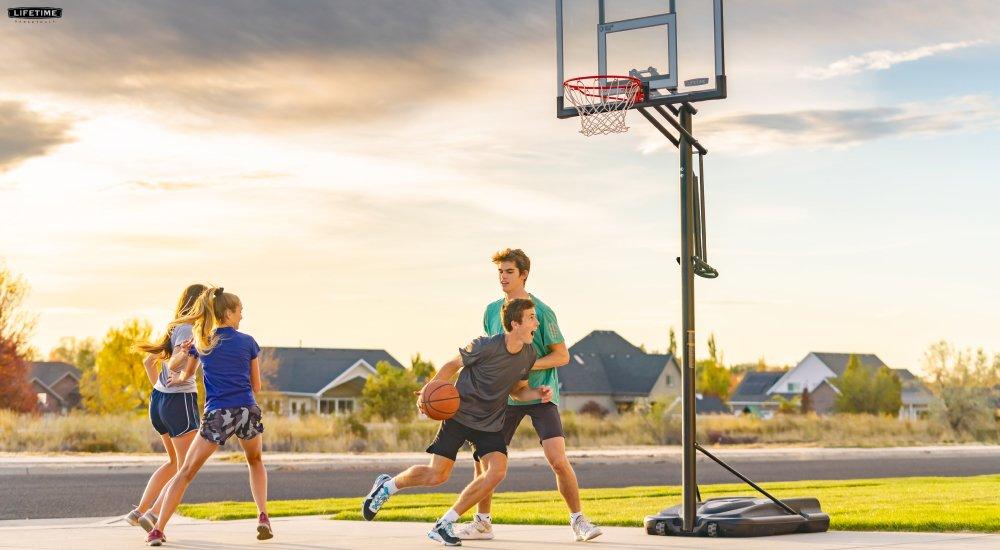
Whether you're looking to squeeze in more practice or want a family-friendly activity this summer, choosing the right basketball hoop makes a difference. From mounted systems to portable options, our Experts break down everything you need to know about buying your next basketball hoop. We'll cover the different types available, backboard specifications, and accessories so you can get the most out of your setup.
Considerations When Choosing a Basketball Hoop
There are plenty of options when it comes to buying a basketball hoop. Our Experts recommend starting with the following criteria to help you stay focused when shopping.
-
Skill Level: Recreational play or more competitive training
-
Age of Players: Adjustable height ranges are especially helpful for younger athletes
-
Available Space: Backboard size and installation type depend on driveway or yard space
-
Budget: Each type of hoop offers a variety of different price points
Step #1: Choose the Type of Basketball Hoop
One of the first decisions is selecting the hoop style that works best for your home. There are four primary basketball hoop types: in-ground, portable, mounted, and mini. Many full-size hoops also feature adjustable height ranges from about 7.5 to 10 feet, allowing players to find the right shooting height.
In-Ground Basketball Hoop
In-ground basketball hoops are permanently installed by cementing the pole directly into the ground. This design offers the highest level of stability and is often preferred by serious players. You’ll see square and round pole designs. Square poles typically provide better vibration control and stability, while round poles are usually more affordable.
Best For: Competitive play, long-term installation
Benefits:
-
Extremely stable during aggressive play
-
Larger backboard options available
-
Durable, gym-like performance
Considerations:
- Requires installation and more space
Did you know that many of our SCHEELS locations offer basketball hoop installation? Contact your local SCHEELS to see if this service is offered in your area and get pricing.
Portable Basketball Hoops
Portable hoops are designed with a weighted base that can be filled with sand, water, or BaseGel. This style allows the hoop to be moved around the driveway and patios.
Best For: Families, shared driveways, flexibility
Benefits:
-
Easy repositioning
-
Flexible setup
Considerations:
-
May require seasonal storage
-
Slightly less stable than in-ground systems
Mounted Basketball Hoops
Mounted hoops attach directly to a garage wall or roof. They’re more stable than portable systems but don’t require digging or concrete like in-ground hoops.
Best For: Saving driveway space
Benefits:
-
Stable
-
Good middle-ground choice between portable and in-ground hoops
Considerations:
-
Requires proper wall support and installation
-
Some models aren't adjustable
Mini Basketball Hoops
Mini hoops are typically designed for indoor play and younger athletes. They can mount over doors or on walls.
Best For: Kids, indoor fun, skill-building
Benefits:
-
Affordable
-
Easy to install
Considerations:
- Not built for aggressive play
Step #2: Understanding Backboard Specifications
When choosing a basketball hoop, you'll notice a range of backboard sizes available and materials to choose from.
Backboard Sizing
The official backboard size used in high school level play and up is 72 inches wide by 42 inches tall. When choosing the right size, consider available space, skill level, and how competitive your games will be.
For home basketball hoops, you'll find the following as common ranges:
-
44"—54": Ideal for younger players and smaller driveways
-
54"—60": Great for family use and recreational play
-
72": Regulation size for serious athletes
Backboard Materials
Basketball backboards are made from three main types of materials, each offering a different level of durability and rebound.
-
Acrylic: For recreational play and a more affordable option, acrylic may be the best choice. These boards are lightweight and durable.
-
Polycarbonate: This material is super durable and impact-resistant, making it a great option for younger players or heavy use.
-
Tempered Glass: This material is what's used in gyms and offers the best rebound performance, making it ideal for competitive players. This material is heavier and typically found in in-ground systems.
Step #3: Understand the Types of Rims
Depending on the model of your basketball hoop, you'll notice two main rim options—standard and spring-loaded.
-
Standard Rims: These are fixed rims and are best for casual or youth play.
-
Spring-Loaded (Breakaway) Rims: These feature a spring-loaded mechanism that flexes under pressure when dunking. This design reduces stress on the backboard and mounting system making it ideal for more competitive play.
Step #4: Additional Basketball Hoop Accessories
Once you choose your basketball hoop, there are several accessories available to enhance your setup for safety and performance.
-
Pole Pads: For in-ground hoops, you'll want to consider pole pads to prevent injuries during aggressive play. Just be sure that you purchase the right shape whether you have a square or a round pole.
-
All-Weather Nets: Consider upgrading your net to an all-weather option that resists fraying and UV damage.
-
Rebound Assistants: These attach onto your hoop to return shots for quicker solo practice.
-
Hoop Lighting: If you enjoy playing into the evening, these are a must-have.
From driveway game to serious training, you'll find the right basketball hoop with the wide selection at SCHEELS. If you have additional questions about choosing the right setup, stop by your local SCHEELS to speak with an Expert.