![[object Object]](https://res.cloudinary.com/dlwdq84ig/image/upload/w_3840,q_auto,c_scale/x1qgcm5jcooqwptm0kbq)



How to Repair Waders
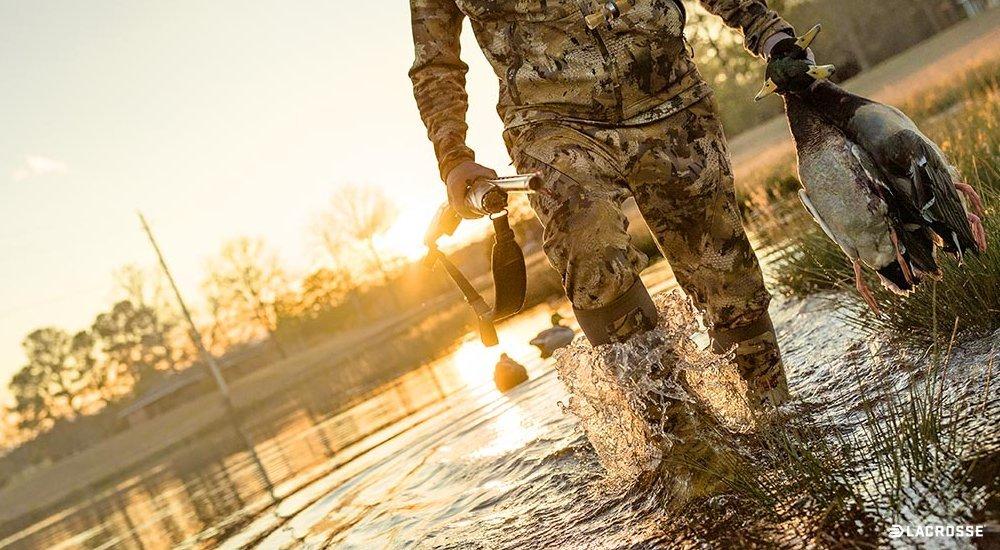
When your trusted waders end up with a tear or leak, it’s easy to think it’s time for a brand-new pair. But in many cases, a simple repair can get you back to hunting or fishing. Our Experts have put together a step-by-step guide to help you identify, repair, and reinforce your waders, so you can extend their life and stay dry through the seasons ahead.
Gather Supplies
-
Two-way shop vacuum
-
Empty spray bottle
-
Permanent marker that can write on damp surfaces
-
Dish or laundry detergent
-
Plastic wash tubs
-
Small paint brush
Locating the Leak
If you’ve noticed your waders leaking, you may already have a general idea of where the problem is. To pinpoint the exact location, try one of these two methods:
Method 1
-
Hang your waders upright.
-
Put the vacuum in reverse to blow air into the waders and secure the hose around the chest using zip ties.
-
Thoroughly hose down the waders with water, then mix a liberal amount of detergent with water in a spray bottle.
-
Inflate the waders and spray the detergent solution, starting at the chest and working down each leg.
-
Be generous with the spray and use your hands to rub in the soap for better coverage.
-
Watch for bubbles to form—this will help you spot any leaks.
-
Once you find a leak, rinse off the soap and mark the spot with your marker.
-
Rinse completely and hang dry before patching any holes.
Method 2
-
Grab two 18-quart plastic tubs.
-
Fill one with detergent water and the other with plain water.
-
Dunk one pant leg completely in the soapy water & saturate the material thoroughly with suds.
-
Insert the shop vac hose near the crotch of the leg & use your hand to create a loose seal—do not make it airtight.
-
Turn on the vac to inflate the leg with air.
-
While inflated, carefully inspect the leg for bubbles forming.
-
Mark the leaks with your marker.
-
Rinse the leg thoroughly and repeat the process on the other leg.
The Repair Process
Larger tears in your waders can actually be easier to deal with than pinholes or seam leaks, simply because they’re easier to spot. While repairing them isn’t any harder, it does require an extra step: using a patch or backing material. The best option is a small piece of wader material—Aquaseal repair kits usually include a couple of patches, but you can also cut them from an old pair of waders that’s beyond repair. Another option is using a piece of Gorilla tape to be a temporary backing.
Now that you’ve located where your waders are leaking, it’s time to repair them. Here are the basic steps whether they’re pinholes, seam leaks, or larger tears:
-
Cut a patch that fully covers the tear with a generous overlap.
-
Apply a bead of Aquaseal over and around the tear, then smooth it out with a small paintbrush and press the patch directly on top.
-
For extra security, apply a second bead of Aquaseal around the edge of the patch and smooth it out evenly.
-
Lay the waders flat and let the repair cure fully before using them again.
-
Be patient and build layers. Instead of globbing it on all at once, apply a small amount just beyond the damaged area and let it cure overnight.
-
The next day, add another thin layer and repeat for two to three days. By layering it this way, you get a smooth, strong finish.
Expert Tip: Store your Aquaseal in the freezer to extend its shelf life. When you’re ready to use it again, warm it up in hot water.
Test the Repair
It’s important to test your repair before heading back out. If your fix is below the knee, fill your waders with water up to that point to check for leaks—this is a simple way to test areas like the booties. For repairs above the knee, spray rubbing alcohol on the waders again and watch for dark spots to reveal any remaining pinholes.
Using the steps above, you can get your waders back to dry and functional in just a few days. If you have more questions, stop by your local SCHEELS and speak with an Expert.