



Beginner Fly Fishing Kit: Essential Gear Every New Angler Needs
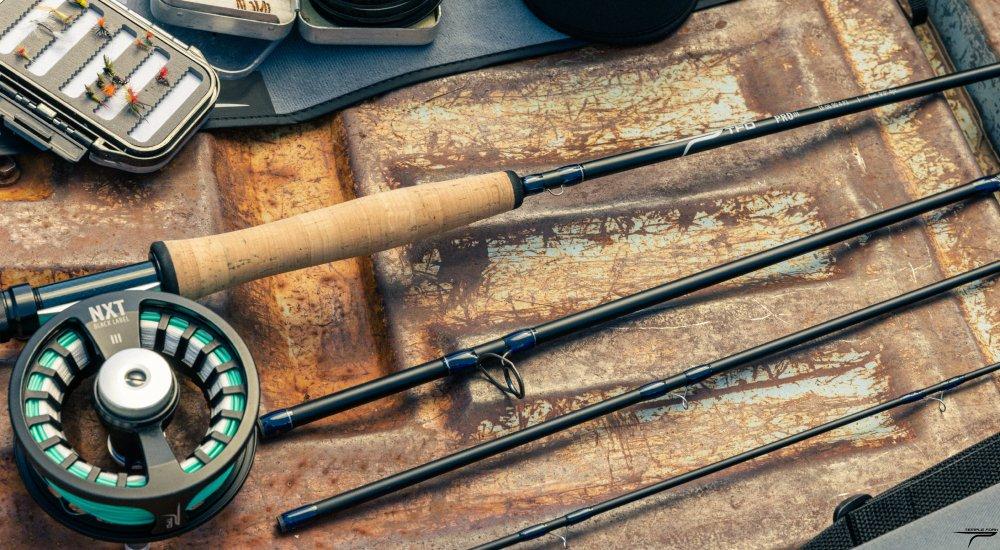
Fly fishing is one of the most rewarding ways to get on the water—but getting started can feel overwhelming if you don’t know what gear you actually need. A beginner fly fishing kit focuses on the essentials that help new anglers learn faster, cast more easily, and enjoy their time on the water. Whether you’re fishing small trout streams, rivers, or lakes, our Experts break down the five must-have items every beginner fly fishing kit should include, plus tips to help you build your setup with confidence.
What Is a Beginner Fly Fishing Kit?
A beginner fly fishing kit is a collection of essential fly fishing gear designed to help new anglers get started without overcomplicating their setup. Most starter kits include a fly rod and reel, fly line, a selection of flies, and a few supporting accessories. Starting with the right fly fishing essentials improves casting accuracy, fly presentation, and overall success—allowing beginners to focus on learning technique rather than troubleshooting gear.
Fly Fishing Essentials Checklist for Beginners
When you’re new to fly fishing, it’s best to start with the basics and add specialized gear over time. These five essentials form the foundation of a reliable beginner fly fishing kit.
1. Fly Rod & Reel Combo
A fly rod and reel combo is the easiest and most effective way to start fly fishing. Combos are designed with matched rod and reel weights, which helps beginners cast more smoothly and avoid common setup mistakes.
Why beginners should start with a combo:
-
Rod and reel are balanced for optimal performance
-
More affordable than buying pieces separately
-
Many combos come pre-spooled with backing and fly line
Expert Tip | A 5-weight fly rod combo is the most versatile option for beginners. It’s ideal for trout, panfish, and small bass in rivers and lakes. Heavier combos (8–10 weight) are better suited for larger fish or saltwater fly fishing.
2. Fly Line, Leader, and Tippet
Fly fishing line is different from traditional fishing line because the line itself provides the weight needed to cast lightweight flies. A complete fly line setup includes four parts:
-
Fly Backing: Fills the reel and provides extra length if a fish runs
-
Fly Line: Adds casting weight and helps control distance and accuracy
-
Leader: Connects the fly line to the tippet and reduces visibility
-
Tippet: The final, thin section where the fly is tied
Expert Tip | To find the size of the leader and tippet needed, a good rule of thumb is to take the size of your fly and divide it by 3. This will give you an approximate leader size. To find the tippet size, anglers often use one size down from their leader size.
3. Flies
Flies are an important part of any beginner fly fishing kit. Choosing a variety of realistic flies helps new anglers match local insect activity and adapt to changing conditions. There are two main types of flies beginners should know:
-
Wet Flies: Wet flies sink below the surface and imitate insects during different stages of their life cycle. Streamers, nymphs, and emergers all fall into this category. Streamers are best for beginners because they cast similarly to traditional lures and work in many conditions.
-
Dry Flies: Dry flies float on the surface and imitate adult insects. They require more precise casting and timing, making them slightly more challenging for beginners.
Expert Tip | Start with flies in sizes 14 and 16, and carry a small variety. A fly box helps protect and organize your flies on the water.
4. Fly Fishing Waders
Waders allow anglers to stand in the water comfortably and access more productive fishing areas. While not required for every trip, waders are especially helpful when fly fishing cold streams or spending long days on the water.
Why waders matter for beginners:
-
Keep you dry and warm
-
Improve casting position and reach
-
Provide storage for essential gear
Most anglers prefer chest waders paired with wading boots for maximum protection, warmth, and stability.
Expert Tip | Polarized sunglasses are a smart addition. They reduce glare, improve visibility in the water, and protect your eyes from hooks.
5. Fly Fishing Net
A fly fishing net makes landing and releasing fish easier while reducing stress on the fish. Lightweight nets with rubber baskets are especially popular because they’re durable and gentle on fish.
Why beginners should carry a net:
-
Keeps fish calm during release
-
Reduces handling time
-
Helps prevent broken leaders or lost flies
Expert Tip | A magnetic net release keeps your net secure and easily accessible while wading.
With these five fly fishing essentials, you’ll be ready to hit the water with confidence. As you gain experience, you can continue expanding your setup with specialized flies, accessories, and gear. If you have questions about choosing the right beginner fly fishing gear, visit your nearest SCHEELS.