![[object Object]](https://res.cloudinary.com/dlwdq84ig/image/upload/w_3840,q_auto,c_scale/x1qgcm5jcooqwptm0kbq)



Choosing the Best Ice Fishing Line
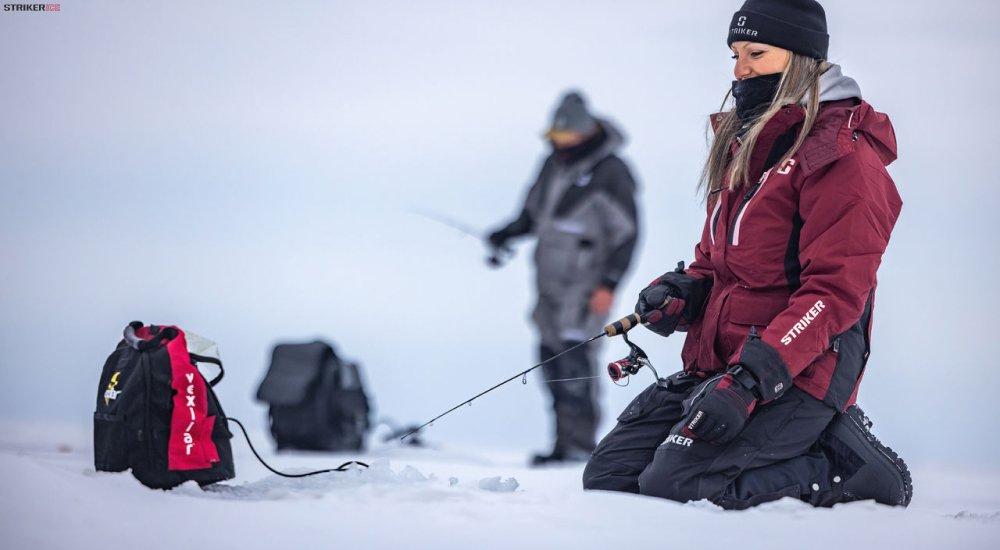
Finding the best ice fishing line depends on your fishing style, target species, and skill level. While it can take some trial and error, understanding the key differences between line types will help you make the right choice. Our Ice Fishing Experts break down monofilament, fluorocarbon, braided, and tip-up lines so you can choose the best option for your setup.
Types of Ice Fishing Line
Each type of ice fishing line offers unique benefits and is better suited for specific fishing techniques, water depths, and target species. Understanding these differences will help you choose the right line for your style and improve your chances of success on the ice.
Monofilament Ice Fishing Line
Monofilament is one of the most popular and beginner-friendly options for ice fishing because:
-
The low memory prevents coiling on small ice reels.
-
It’s buoyant and soft making it ideal for jigging spoons and learning finesse movements.
-
It’s affordable.
Monofilament is best for: Jigging panfish, walleye, or trout in shallow to mid-depth water.
A few downsides to monofilament line includes lower sensitivity and strength, plus there’s some stretch which can affect hooksets.
Fluorocarbon Ice Fishing Line
Fluorocarbon is nearly invisible underwater and offers better abrasion resistance, making it a go-to leader material.
-
Since it sinks quickly, it’s perfect for deep-water fishing.
-
The durability ensures that it handles sharp ice edges better than mono.
-
This line is ideal for clear water and finicky fish.
Fluorocarbon is best for: Deep water jigging and finesse presentations for walleye or perch.
One downside to fluorocarbon fishing line is the higher memory that can cause more tangles.
Braided Ice Fishing Line
Braided line offers maximum strength and zero stretch for ultimate sensitivity.
-
There is no stretch so it will detect the lightest bites.
-
This is the strongest type of fishing line and can handle sharp ice edges without breaking.
-
It’s great for deep water, making it ideal when targeting lake trout or big walleye.
Braided line is best for: Deep-water fishing, targeting big walleye or lake trout, and situations where maximum sensitivity is needed.
One downside is that is absorbs water and can ice up, so it’s important to look for braided ice lines with special coatings.
Tip-Up Ice Fishing Line
Designed for durability and easy handling, tip-up lines help cover more holes for better odds.
-
The minimal stretch ensures solid hooksets.
-
With a thicker diameter, anglers have an easier to grip and it’s more durable.
Tip-up line is best for: Walleye, pike, and other active species using multiple tip-ups.
One downside to tip-up line is that it is usually thicker, which can make it more visible to fish in clear water.
Related Expert Content | How to Set Up a Tip-Up >
Choosing the best ice fishing line depends on a few factors including your skill level, fishing methods, and targeted species. By understanding the differences between each type of ice fishing line, you’ll be able to make a decision as to which is the best ice fishing line for you. If you have additional questions about which type of ice line to use, contact your nearest SCHEELS to speak with an Ice Fishing Expert.