![[object Object]](https://res.cloudinary.com/dlwdq84ig/image/upload/w_3840,q_auto,c_scale/x1qgcm5jcooqwptm0kbq)



Braided Fishing Line vs. Monofilament
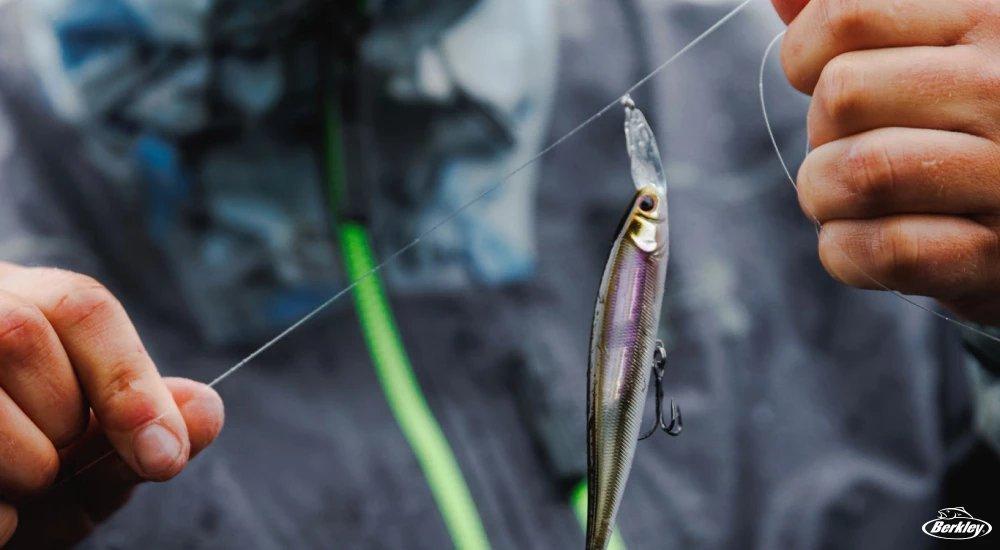
There always seems to be a debate among anglers about which fishing line to use—braided or monofilament. Jason Mitchell, SCHEELS Pro Staff, explains that anglers shouldn’t exclusively use one or the other, but rather each type of fishing line has its advantages and disadvantages. Our Fishing Experts and Jason Mitchell share the key characteristics of braided and monofilament lines as well as fishing scenarios that each is best suited for so you can catch more fish.
What is Braided Fishing Line?
There are three main advantages when it comes to using braided fishing lines: sensitivity, strength, and no line memory.
-
Sensitivity: With little to no stretch, braided line is incredibly sensitive so you can feel even the faintest of strikes.
-
Strength & Durability: Braided fishing line has an incredible strength-to-diameter ratio. Since a braided line weaves together multiple strands of fibers like Spectra or Dyneema, it can withstand significant tension and abrasion.
-
No Line Memory: When casting long distances, the braided line offers greater casting distance and won’t twist like monofilament.
There are two main disadvantages when it comes to using braided fishing lines: expense and visibility.
-
More Expensive: Braided fishing lines tend to be more expensive than monofilament lines.
-
Easier to See: Braided fishing lines are more visible in the water compared to monofilament lines which may affect the fish's willingness to bite.
What is Monofilament Fishing Line?
The three main advantages of using a monofilament fishing line are stretch, low visibility, and ease of use.
-
Stretch: Monofilament fishing lines have more stretch which can be beneficial when fighting large fish, since it acts as a shock absorber, reducing the risk of hooks pulling or lines breaking.
-
Low Visibility: If fishing in clear waters, monofilament is the best option as it’s less visible underwater reducing the chance of spooking fish.
-
Ease of Use: They are more forgiving when it comes to tying knots, making them a popular choice among beginner anglers.
There are two main disadvantages when using monofilament fishing lines: strength and lack of sensitivity.
-
Less Durable: Monofilament lines tend to be less durable compared to braided lines due to their lower abrasion resistance. It’s important to note that monofilament lines are still very durable.
-
Lack of Sensitivity: Since monofilament has more stretch, it is less sensitive than braided lines, making it harder to detect subtle strikes.
Which is Better: Braided Fishing Line or Mono?
Customers often ask whether a braided or monofilament fishing line is better. The answer depends on which one suits your fishing needs best. Our Fishing Experts guide which line to fish depending on your situation.
-
Fishing Environment: If you’re fishing in heavily weeded areas, braided line is best for this situation because it’s more durable, while clear waters call for monofilament or another type of fishing line that’s less visible to fish.
-
Target Species: When fishing for larger species, monofilament may be a better option since it offers more stretch causing fewer line breaks.
-
Casting Distance: When casting a long distance, braided lines can be more accurate thanks to the thinner diameter.
Your fishing situation can change throughout the day. As Jason Mitchell explains, if you’re not catching fish using braided line, trying out monofilament or vice versa is not a bad idea. Having both types of fishing line in your tacklebox along with understanding the key characteristics and general uses of each, will help you be more successful out on the water. The best fishing line is the one that works best for you and helps you enjoy your time on the water. If you have any additional questions, contact your local SCHEELS to speak with a Fishing Expert.
About our Experts
Jason Mitchell is an industry-leader in both ice and open-water fishing. He enjoys fishing for a variety of different species in the Midwest. He has been a partner with SCHEELS for over 10 years.