



Understanding Fitness Tracker Metrics
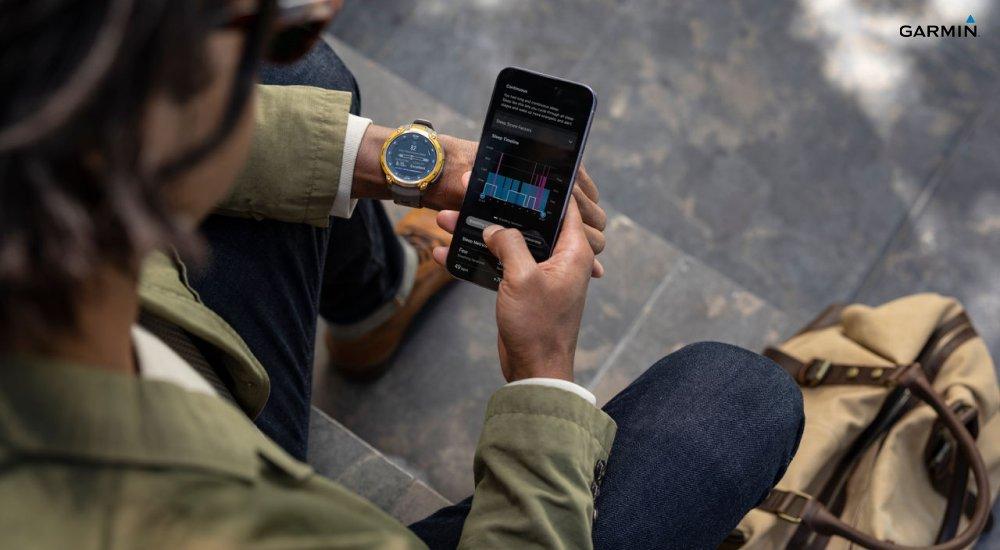
Whether you're lacing up for your first 5K, chasing a new personal record, or simply looking to better understand your body’s health, a fitness tracker is one of the most powerful tools in your arsenal. It’s more than just a watch—it's a multi-sport wearable that provides real-time, scientific data to help you truly understand and elevate your performance.
But what do all those acronyms and numbers really mean? To help you get the most out of your training, our Experts break down the essential metrics that turn a casual workout into a focused, goal-driven session.
Related Expert Content | How to Choose a Fitness Tracker
1. The Core Foundation: Heart Health Metrics
These are the fundamental statistics that monitor how hard your body is working, giving you immediate feedback on the intensity of your efforts. Even basic fitness trackers monitor these metrics.
Heart Rate (HR) / Beats Per Minute (BPM)
-
What it is: Simply the number of times your heart contracts in one minute.
-
Why it matters: HR is your most direct and easy-to-understand indicator of workout intensity. By monitoring your BPM, you can ensure you’re pushing hard enough to make gains, but not overexerting yourself. Knowing your target zones is the key to an efficient workout—whether you’re aiming for endurance or power.
Heart Rate Variability (HRV)
-
What it is: The slight variation in time between each of your heartbeats.
-
Why it matters: Unlike HR, which measures the rate, HRV measures the timing efficiency. A higher HRV is often associated with a healthy, well-recovered nervous system, while a lower HRV can be a sign of stress, illness, or overtraining. Monitoring HRV helps you understand your body’s recovery and readiness for your next big challenge.
2. Advanced Insights: Training for Efficiency
Modern activity trackers go a step further, offering metrics that were once only available in a lab setting. These statistics are game-changers for training your cardiovascular system to be more efficient.
Pulse Oximetry (Pulse Ox)
-
What it is: A measurement of the oxygen saturation levels in your blood.
-
Why it matters: Oxygen is the fuel that powers your muscles. By tracking your Pulse Ox, you gain insight into how effectively your blood is transporting oxygen. This is crucial for understanding muscle recovery; the faster your muscles receive oxygenated blood, the faster they can bounce back from a tough effort.
VO2 Max
-
What it is: The maximum rate of oxygen your body can utilize during an intense workout.
-
Why it matters: Think of VO2 Max as the volume capacity of your engine. It's the ultimate measure of your aerobic fitness and cardiovascular health. A higher VO2 Max means your body can efficiently process and supply more oxygen to your muscles, which directly translates into greater energy production and improved performance over time.
3. The Multi-Sport & GPS Edge
For multi-sport, endurance, and trail athletes, the most advanced trackers—like the highly capable Garmin fẽnix series—are purpose-built to track the variables that define your environment. With built-in Global Positioning Systems (GPS), these watches become an essential coach for every mile and every climb.
These advanced features give you instantaneous data on:
-
Distance: Know exactly how far you’ve pushed, whether on the trail or in the pool.
-
Speed & Pace: Dial in your training to hit specific targets for race day.
-
Elevation Changes: Essential data for trail running, cycling, and knowing the intensity of your climb.
-
Multi-Sport Tracking: Specific programs configured to gather all the important variables for dozens of different activities and exercises, from swimming and biking to strength training.
Understanding your data is the first step toward unlocking your full athletic potential. Whether you’re monitoring your health on a doctor's recommendation or training for your next triathlon, these metrics are the key to scientifically understanding and improving your performance. For more questions about fitness trackers or how to use them, visit your local SCHEELS to speak to a Fitness Expert.