



How to Care for Cork Shoes
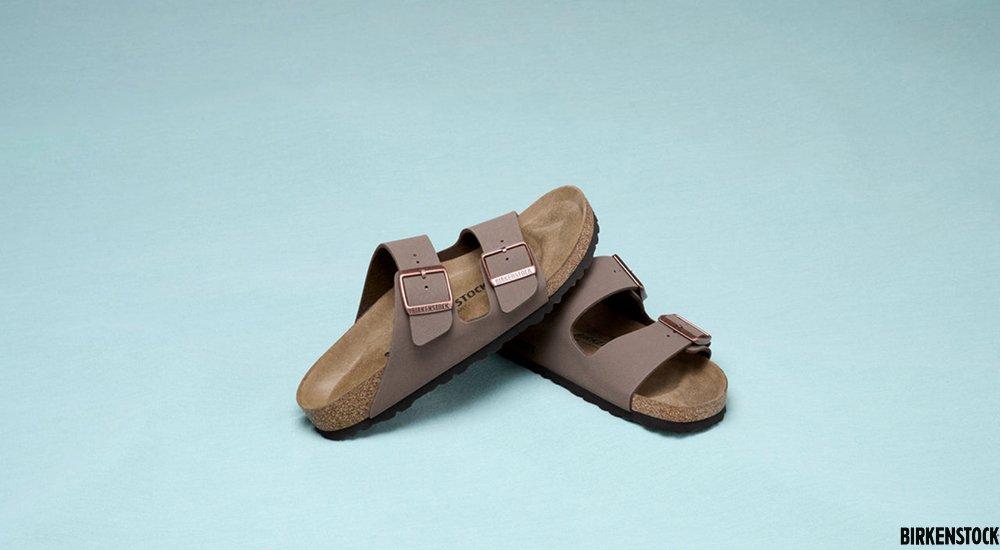
Cork shoes and sandals combine natural comfort, sustainability, and impressive durability, thanks to the unique properties of cork. Understanding how to clean, protect, and preserve your cork shoes will help you enjoy their natural benefits for years to come—and our Footwear Experts are here to guide you through the simple steps to keep them looking and feeling their best.
What is Cork?
Cork is an eco-friendly material harvested from the bark of the cork oak tree. Many styles feature cork footbeds that gradually mold to the shape of your foot, creating personalized arch support, cushioning, and improved alignment with every wear. Beyond this custom fit, cork is naturally lightweight, breathable, flexible, and an excellent shock absorber, making it a standout choice for all-day comfort. However, because cork is also porous and can absorb moisture, oils, and dirt, your footwear needs proper care to maintain its comfort, appearance, and longevity.
Protecting Your Cork Footwear from Wear and Tear
To keep your cork shoes looking great for the long haul, protection is essential. Simple treatments can help protect the material from drying out, cracking, and moisture absorption. Maintaining the beauty and durability of your cork shoes starts with proper protection.
Sealing and Conditioning Cork
One of the most important steps in cork shoe care is sealing the cork. A cork sealant creates a protective barrier that helps prevent cork from becoming brittle or cracking. Many shoe care brands offer specialized cork sealants that are easy to apply.
To seal your cork:
-
Always start with a clean, dry cork.
-
Using a small brush or applicator, apply a thin, even coat of sealant to all exposed cork surfaces. Follow the instructions on the bottle of chosen sealant if the directions instruct otherwise.
-
Allow the coat to dry thoroughly overnight away from direct light or heat.
Deep Cleaning the Cork Footbed
When your cork footbed or other cork sections need a more thorough cleaning, follow these steps for effective and safe removal of dirt and oils:
- You’ll need a small bowl of lukewarm water, a mild soap (such as dish soap or a gentle shoe cleaner), a soft cloth or sponge, and a soft brush (like a toothbrush or nail brush).
-
Mix a few drops of mild soap into the water to create a slightly sudsy solution. You want it gentle enough not to strip the natural oils from the cork.
-
Dip your brush or cloth into the soapy water, wring out any excess so it’s damp, not dripping wet. Gently scrub the cork footbed in a circular motion, focusing on soiled areas. Avoid soaking the cork entirely. The goal is to lift dirt from the surface without saturating the material.
-
Use a separate, clean, damp cloth to wipe away any soap residue and loosened dirt. Repeat this step as needed until the cork appears clean.
Daily and Weekly Maintenance
For daily care, wipe the cork footbed and any cork parts with a dry cloth after each wear to remove dirt and sweat. For a deeper clean, gently brush the cork with a soft-bristle brush. If the shoes get damp, let them air dry fully—keeping them out of direct sunlight or heat to prevent the cork from drying out or cracking.
Proper Storage
Proper storage is key to prolonging the life of cork footwear. Keep your shoes in a cool, dry place away from sunlight and extreme temperatures—heat can crack cork, and humidity can cause mildew. For long-term storage, use shoe trees or stuff the toes with acid-free tissue to maintain their shape. Avoid plastic bags, as they trap moisture and prevent the shoes from breathing.
Avoiding Common Cork Mishaps
To protect your cork shoes, be mindful of situations that can cause damage:
-
- Avoid Submerging: Never submerge cork shoes in water. Light cleaning with a damp cloth is fine, but soaking can weaken the adhesive and damage the cork. Avoid wearing them in winter, snow, or heavy rain.
-
- Excessive Moisture: Although cork is breathable, avoid prolonged exposure to heavy rain. If your shoes get wet, dry them thoroughly and gently.
-
- Harsh Chemicals: Avoid harsh chemicals, alcohol-based products, and abrasive cleaners—they can strip the cork and cause permanent damage.
With these expert tips from SCHEELS, you have the knowledge to properly care for your cork shoes and keep them performing well and looking great. If you have any further questions, stop by your local SCHEELS to learn more.