



How to Set Up the Perfect Goose Decoy Spread
Setting up a goose decoy spread might seem straightforward, but the right setup can be the difference between a passing flock and a successful hunt. From wind direction to decoy spacing, every detail helps create a realistic landing zone that geese can’t resist. SCHEELS Hunting Expert Kordell shares his tips for creating an effective goose decoy spread that’s ready for action on opening day.
Tip #1: Start with the Wind Direction
The most important factor in any goose spread setup is wind direction. Geese always land into the wind, so position your blind so the wind is at your back. This ensures the birds approach facing you, giving everyone in the blind a clear shot as they set their wings.
Facing your blind into the wind can make it harder for geese to land naturally. Positioning with the wind at your back creates a more effective setup.
Tip #2: Choose the Right Goose Decoys
For early-season hunts, Kordell recommends using full-body decoys. They provide a realistic look without needing a massive spread—around five to six dozen full bodies is a great starting point for most fields.
If you’re looking for a more affordable or mobile setup, silhouette decoys can still get the job done. They pack easily into a car or truck and can be mixed with full bodies to add depth and movement to your spread.
Tip #3: Create a Realistic Goose Formation
Rather than scattering decoys randomly across the field, group them in small family clusters that mimic natural feeding behavior. Kordell suggests using a U-shaped pattern, leaving an open pocket in the middle where birds will want to land.
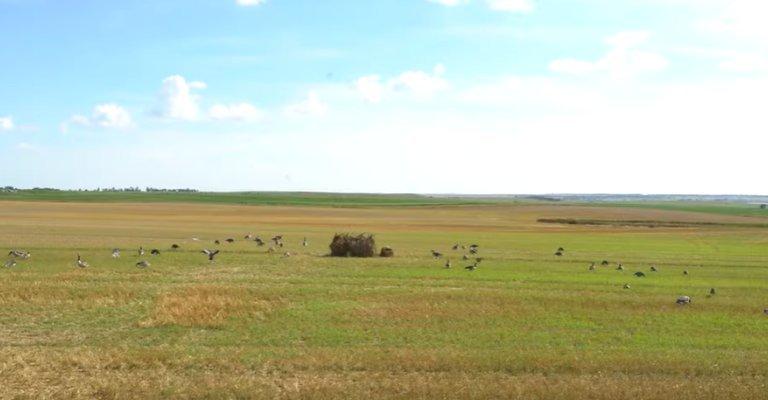
That open space acts as an inviting landing zone while giving you and others clean shooting lanes. Keep some decoys slightly behind or off to the sides of the blind to create a more natural look without drawing attention to your hide.
Tip #4: Set Up the Blind with Purpose
Where you place and how you angle your blind can make or break the hunt. Position it so it blends naturally with the surroundings—grass, stubble, or fencerows—and make sure it’s square with the wind direction.
You want to square the blind up so the wind’s right at your back. That way the birds set up in your face and everyone in the blind has a clean shot when they commit.
If you’re using an A-frame blind, take time to brush it in thoroughly and make sure everyone has a clear line of sight in their shooting lanes. A good hide not only keeps you concealed but ensures the entire group can shoot safely and effectively when birds commit.
Tip #5: Build a Spread That Works Where You Hunt
Every field and weather condition is different, so use these fundamentals as a guide and adjust based on what you’re seeing. Watch how birds are using the area, and don’t be afraid to tweak spacing, decoy numbers, or the blind setup throughout the day.
By understanding how wind, visibility, and decoy placement work together, you’ll create a spread that looks natural and convinces geese to drop right where you want them. With our wide selection of waterfowl hunting gear including decoys, blinds, and more as well as our Expert advice, you'll be set up for success this season. For more information on how to prep for the hunt, stop into your local SCHEELS to speak with a Hunting Expert.
About our Experts
Kordell is a Hunting Expert at SCHEELS Bismarck, specializing in waterfowl and upland game. With hands-on experience and a passion for the outdoors, he helps hunters gear up, plan strategies, and make the most of every hunt.