



How to Set Up Decoys for Turkey Hunting
If you’ve been struggling with turkey hunting, the right decoy setup can make all the difference. Our Hunting Expert, Conrad, breaks down four proven turkey decoy strategies—Midwest early season archery, shotgun opening day, Western run-and-gun, and hunting deep in the South. No matter where you’re headed this season, these setups can help you draw birds in, increase your opportunities, and make your hunt more successful.
Find Your Turkey Hunting Scenario
Midwest Early Season Archery Turkey Setup
Early season in the Midwest is one of the most consistent times to target turkeys with a bow. Birds are still grouped up in winter flocks, making decoy setups especially effective for pulling a tom into range.
What You Need
-
Multiple hen decoys
-
One or two jake decoys (half-strut or full-strut)
-
Ground blind
-
Bow setup
Early in the season, turkeys are focused on establishing pecking order. Running a larger decoy spread helps replicate a natural flock and creates competition.
How to Set It Up
Focus on agricultural field edges, especially near known roost sites. Turkeys will typically fly down into fields in the morning to feed and strut.
-
Set up along the field edge in the birds’ expected travel path
-
Place decoys 7–10 yards from your blind for close-range shot opportunities
-
Use mostly hen decoys with a jake positioned within the group
-
Position the jake decoy facing your blind
That last detail is key—tom turkeys will almost always approach another tom head-on, putting them directly in front of your setup and within range.
Game Plan
After fly-down, flocks will move into fields to feed and interact. A dominant tom will often break away from the group to challenge a jake decoy.
Your goal is to:
-
Create a realistic flock scenario
-
Trigger a dominance response from a tom
-
Let the decoy setup pull the bird into bow range
With the jake positioned correctly, the tom’s focus stays on the decoy, giving you time to draw undetected.
Adjustments to Make
If conditions aren’t ideal or mobility is limited, a few small tweaks can improve your chances:
-
Scale back your spread: Use one jake and one or two hens if you can’t carry a full setup
-
Hunt evenings: If birds are henned up in the morning, set up near feeding areas closer to roost sites in the afternoon
-
Shift closer to roost routes: Catch birds staging before they head back to roost
Shotgun Opening Weekend Turkey Setup
Opening weekend is a great opportunity as birds begin to spread out and explore new areas. While decoys are still effective, you can simplify your setup.
What You Need
-
One or two turkey decoys
-
Shotgun
-
Optional ground blind or natural cover
How to Set It Up
Hunt similar terrain as early season like field edges and feeding areas.
-
Set up along travel routes between roost and feeding areas
-
Place decoys at about 20 yards
-
Sit against a tree or just inside the timber edge
Placing decoys farther out gives you more room for movement and a better margin for error with a shotgun.
Game Plan
Turkeys may still be grouped with hens, so patience is key.
-
Stay put longer and let birds work
-
Use calling to get attention, but don’t overdo it
-
Be ready if a tom breaks away from the group
Adjustments to Make
-
If birds move off, stay mobile and reposition
-
Use minimal gear to stay flexible
-
Shift setups based on real-time bird movement
Western Run-and-Gun Turkey Setup
Out West, turkey hunting is all about mobility. Birds are spread out, and covering ground is the key to success.
What You Need
-
Lightweight gear (water, essentials)
How to Set It Up
Focus on ridges, valleys, and elevation changes.
-
Set up along ridge tops
-
Call into valleys and low ground
-
Move frequently to locate responsive birds
Terrain limits visibility and sound, so you’ll need to actively hunt rather than wait.
Game Plan
-
Cover ground until you locate a gobble or response
-
Set up quickly and call birds uphill
-
If there’s no response, move and repeat
Adjustments to Make
-
Don’t waste time on unresponsive birds
-
Try multiple locations in a single hunt
-
Prioritize finding active birds over perfect setups
Deep South Timber Turkey Setup
Hunting turkeys in the South is a test of patience. Birds are pressured, cautious, and often less vocal.
What You Need
-
Shotgun
-
Comfortable seat pad
-
Quality hunting boots
How to Set It Up
Look for pine thickets, logging roads, and small clearings.
-
Set up along logging roads or open strut zones
-
Position near known roost areas
-
Stay concealed and minimize movement
Game Plan
-
Sit longer and let birds come to you
-
Use subtle calling techniques
-
Rely on patience over aggressive movement
Southern birds often avoid heavily hunted areas, so letting the setup work is key.
Adjustments to Make
-
Hunt with a partner using a caller/shooter setup
-
Place the caller behind you to pull birds past your position
-
Focus on high-probability areas rather than covering ground
Late Season Turkey Hunting Tips
As the season progresses, turkeys become more cautious due to pressure and changes in behavior. Adjusting your strategy can help you stay successful.
-
Hunt Midday: Late morning to early afternoon (10 AM – 2 PM) can be highly productive as hens leave gobblers.
-
Use Fewer Decoys: Setting out fewer decoys will force the birds to investigate calls.
-
Target Overlooked Areas: Try to hunt less-pressured public land sections to find birds that haven't been heavily hunted this season.
From realistic decoys and reliable calls to shotguns and blinds, SCHEELS has everything you need for a successful turkey season. If you have additional questions about your specific region, stop into your local SCHEELS to speak decoy strategies with one of our Hunting Experts.
About our Experts
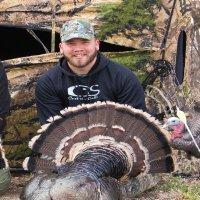
Conrad has been hunting ever since he was old enough to walk. No matter if it's deer, turkey, waterfowl, predators, or anything in between, Conrad's expertise and passion for hunting is year round. With over 20 years of experience in the field, he knows what gear you need to be successful outdoors, no matter what your pursuit is.