



About Inversion Tables for Back Relief
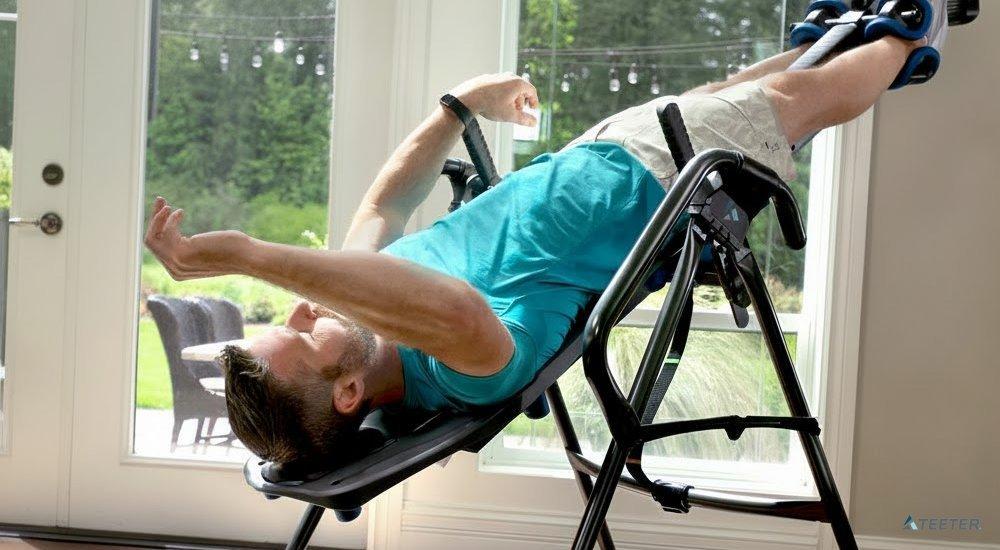
Inversion therapy has become a popular, non-invasive approach for managing back pain and promoting overall spinal health. The primary tool for this therapy is the inversion table, which offers a unique way to address spinal issues by using gravity. As you consider incorporating inversion therapy into your health regimen, it’s essential to understand how these tables work, the benefits, and how to use one safely.
What Is Inversion Therapy?
Inversion therapy involves positioning your body at an inverted angle (less than 90 degrees to fully upside down) to relieve pressure on the spine.
This technique works by using gravity's pull to create traction on the spine. This gentle stretch promotes decompression—the subtle widening of the spaces between your vertebrae—which can help alleviate back pain, improve posture, and increase spinal flexibility.
How Inversion Tables Work
An inversion table makes this therapy accessible from your own home. Here’s how it works:
-
Secure Yourself: You secure your ankles into the table's support system.
-
Tilt and Control: You gradually tilt the table backward. Most high-quality tables are designed to be easily controlled by simply shifting your body weight—you should feel secure and in control, even just by moving one arm.
-
Decompress: As you invert, gravity works in the opposite direction, applying gentle traction on the spine and joints.
Most tables are highly adjustable for height and weight distribution, allowing you to fine-tune the degree of inversion based on your comfort and specific needs. We recommend starting with a shallow angle for your first few uses. See your specific product’s description or user manual for more information on how to use it.
Benefits of Inversion Therapy
The primary reason people turn to inversion tables is for back pain relief, but the benefits extend well beyond simple pain management.
1. Immediate Back Pain Alleviation
Inversion tables gently decompress the spine, relieving pressure on the vertebrae and discs. This decompression can significantly help reduce the nerve pressure often responsible for chronic back pain. Many people report a noticeable reduction in muscle tension and increased mobility after consistent use.
2. Enhanced Spinal Health and Posture
This gentle stretching allows joints to relax and can promote spinal alignment. Better alignment helps improve posture and may reduce the natural wear and tear on your spine over time. The enhanced circulation from being inverted can help deliver nutrients to the spinal discs more efficiently, aiding in their health and regeneration.
3. Improved Flexibility and Circulation
Regular inversion sessions can serve as an excellent full-body stretch, helping to increase overall flexibility over time. The inverted position may also assist with circulation by helping blood flow upward more easily.
Safely Using Your Inversion Table
To maximize your benefits and minimize any risks, it’s important to approach inversion therapy with caution and proper technique.
Consult a Healthcare Provider
While inversion therapy is a safe, non-invasive method for most people, it's crucial to acknowledge that inverting can increase blood pressure and heart rate (temporarily, while you’re inverted). If you have a history of high blood pressure, heart disease, or conditions like glaucoma (due to increased eye pressure), you should always consult with your doctor before beginning inversion therapy.
Essential Safety Tips
For those who are cleared to use an inversion table, following these guidelines is key to a positive experience:
-
Start Slowly: Begin with a minimal angle (e.g., 15 to 30 degrees) for short periods (1–2 minutes). Gradually increase the angle and duration as your body acclimates over multiple uses.
-
Check Your Equipment: Ensure your table is sturdy, correctly adjusted for your height, and set up properly to guarantee safety and full support. You should note that many tables have a weight limit of up to 300 pounds.
-
Listen to Your Body: It's common to feel minor dizziness or slight disorientation at first. If you experience any pain or discomfort, immediately return to an upright position. Adjust your routine or consult your doctor.
Inversion tables offer a compelling alternative for alleviating back pain and enhancing spinal health. By safely decompressing your spine, you can unlock relief and enjoy the additional benefits of improved flexibility and circulation. For personalized advice or finding the right inversion table, visit your local SCHEELS to speak with our Experts.