



How to Choose the Best Trail Camera
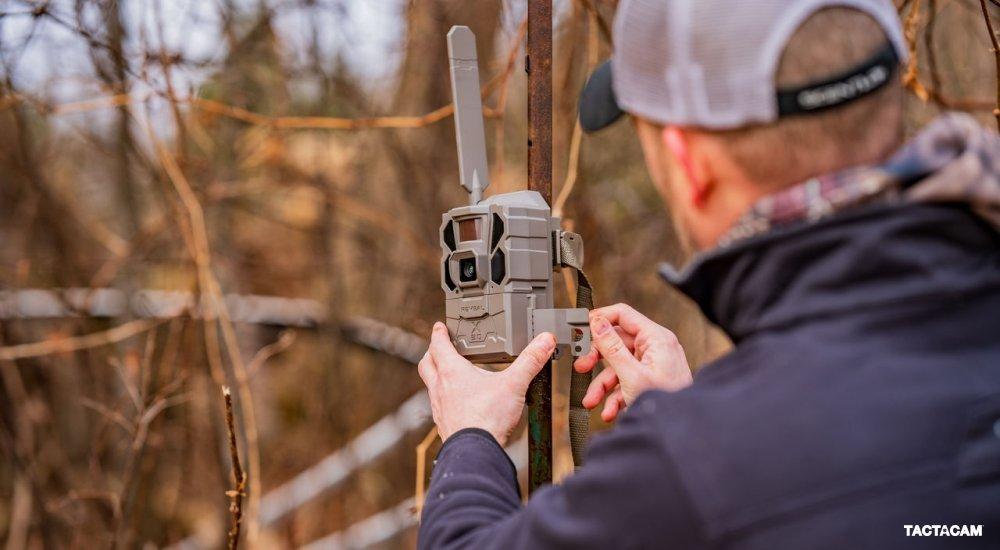
Trail cameras are one of the most valuable tools for scouting deer, monitoring wildlife, and even keeping an eye on your property. Whether you're checking game movement before the season or looking for a security solution, choosing the right trail camera comes down to how you plan to use it. Our Hunting Experts explain the differences between cellular and non-cellular trail cameras, the most important features to consider, and which options are best for different situations.
Cellular vs. Non-Cellular Trail Cameras
There are two types of trail cameras: non-cellular and cellular. The key difference is how you access your photos and videos.
Non-Cellular Trail Cameras
Non-cellular trail cameras save photos and videos directly to an SD card. To view your images, you'll need to return to the camera and remove the SD card. These are best for budget-conscious hunters, areas you visit frequently, or properties with poor cellular coverage.
Pros:
-
Simple setup
-
Lower upfront cost
-
No monthly subscription
Cons:
-
Requires checking the camera in person
-
More trips can leave scent behind and disturb wildlife
Cellular Trail Cameras
Cellular trail cameras also save photos to an SD card but can send images directly to your smartphone using a cellular network. Many models allow you to adjust settings remotely through an app, reducing trips into your hunting area. These are best for remote hunting properties, monitoring deer throughout the season, and property surveillance.
Pros:
-
View images from anywhere
-
Fewer trips into the woods
-
Remote camera management on select models
Cons:
-
Higher initial cost
-
Most require a cellular data plan

“Before heading into the field to set up your camera, make sure to test it at home. Checking that the camera is working properly and downloading any essential apps before deploying your cellular camera is key to a good setup.”
What to Look for in a Trail Camera
After deciding between a cellular and non-cellular trail camera, compare these key features to narrow down the best model for your hunting style, property, and budget.
Trigger Speed
Trigger speed measures how quickly the camera captures an image after detecting motion. A faster trigger speed helps ensure you capture the entire animal instead of just part of it.
Here’s a general guideline when choosing trigger speed:
-
0.5 seconds or faster is ideal for active trails and fast-moving deer
-
0.5–1 second will be ideal for most hunting situations
-
1+ second is best for feeders and food plots where deer spend more time
Detection Range
Detection range refers to how far away the camera can detect motion. If you're monitoring large food plots or open fields, choose a camera with a longer detection range. For wooded trails where deer pass close to the camera, a shorter detection range is often sufficient.
Flash Type
The flash affects both image quality and how visible the camera is to wildlife. Use the chart below to understand the different types of flash. Many hunters prefer black flash because it’s less likely to alert deer or other wildlife.
| Flash Type | Best For | Night Photos | Visibility |
|---|---|---|---|
| White Flash | Wildlife photography | Color | Highly visible |
| Infrared (IR) | General deer scouting | Black & white | Slight red glow |
| Black Flash | Hunting & security | Black & white | Nearly invisible |
Image & Video Quality
Trail camera image quality is measured in megapixels (MP), while video quality is measured by resolution. Higher megapixels can provide more detail, but for most hunters, trigger speed and placement have a greater impact on successful scouting than choosing the highest MP rating. For video, look for at least 1080p HD if you want to clearly observe deer behavior.
Battery Life & Power
Long battery life means fewer trips to your camera. Many trail cameras use AA batteries, while others support rechargeable battery packs or external power sources. Lithium batteries typically perform better in cold weather than alkaline batteries, making them a popular choice for late-season hunting. Solar panels can help extend battery life, especially for cameras placed in remote locations.
Storage
Most trail cameras store photos and videos on SD cards. Before purchasing, check:
-
Maximum SD card capacity
-
Recommended SD card speed
-
Whether the camera supports SDHC or SDXC cards
Trail Camera Accessories
The right accessories help improve performance and keep your camera running longer. Consider adding:
-
SD cards
-
Lithium batteries
-
Rechargeable battery packs
-
Solar panels
-
Security boxes
-
Locking cables
-
Tree mounts
-
SD card readers
Watch: How to Set Up a Trail Camera
Choosing the right trail camera is only part of the equation. Proper placement and setup can help you capture clearer images and better understand wildlife movement. In this video, Mike, a SCHEELS Hunting Expert shares tips for setting up a trail camera, including where to place it and how to get the best results in the field.
Frequently Asked Questions about Trail Cameras
The best trail camera depends on how and where you hunt. If you want real-time updates without disturbing your hunting area, a cellular trail camera is an excellent choice. If you're looking for an affordable option and don't mind checking SD cards yourself, a non-cellular trail camera is a reliable alternative. If you have additional questions about choosing a trail camera, stop by your local SCHEELS to speak with an Expert.
About our Experts
Mike manages all the SCHEELS Outdoors social media accounts and hosts the SCHEELS Outdoors podcast. He has always enjoyed fishing and hunting and now gets to talk with industry pros and vendors about this passion! Mike continues to learn about the latest products and trends by researching and attending SCHEELS University training events.