



4 Types of Turkey Calls
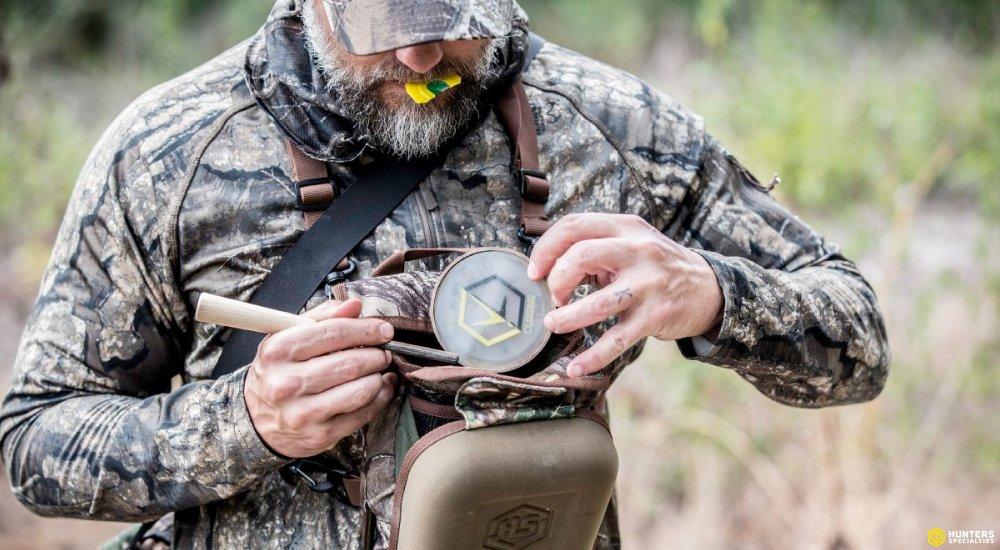
Drawing a turkey into range starts with choosing the right call. There are four main types of turkey calls—diaphragm, box, pot, and locator calls—and each one plays a different role depending on your experience level and hunting conditions. If you’re new to turkey hunting or looking to refine your setup, understanding how each call works and when to use it can make a big difference in your success this season. Our Hunting Experts explain all the basics you need to know and offer a few tips on how to use them.
What Are the Different Types of Turkey Calls?
The four main types of turkey calls are:
-
Diaphragm (mouth) calls are hands-free and versatile, best for experienced hunters
-
Box calls are easy to use and loud, great for beginners and windy conditions
-
Pot (friction) calls are versatile with a wide range of tones and volumes
-
Locator calls are used to trigger gobbles and locate birds from a distance
Want to hear how different turkey calls sound and when to use them? Our Hunting Expert, Conrad, breaks down five levels of turkey calling in the video below.
1. Diaphragm Turkey Calls
A diaphragm turkey call, also known as a mouth call, is a hands-free option that allows you to stay ready for the shot while calling. This makes it a favorite among experienced turkey hunters, especially when a tom is closing in.

With single-, double-, and triple-reed options, diaphragm calls offer a wide range of tones and sounds to match different scenarios. Different cuts and reed combinations allow you to produce everything from soft yelps to aggressive cuts.
Because they require precise airflow and tongue control, diaphragm calls are the most difficult to master. If you plan to use one this season, spend time practicing before your hunt to build confidence and consistency.
-
Best for: Hands-free calling
-
Skill level: Advanced
2. Box Turkey Calls
A box turkey call is one of the easiest and most effective calls for beginners. By sliding the paddle across the box, you create friction that produces loud, realistic turkey sounds like yelps and clucks.

Box calls are especially useful in windy conditions or when you need to reach distant birds since they produce more volume than most other calls. They’re also simple to use, making them a reliable option when you need consistent sound without much practice.
The main limitation is control—box calls don’t offer as much variation in tone and volume compared to other call types.
-
Best for: Beginners and calling in windy or open terrain
-
Skill level: Beginner
3. Pot Turkey Call
Pot turkey calls use a striker and a friction surface, such as slate, glass, or aluminum, to mimic turkey vocalizations. They’re a great middle-ground option, offering both ease of use and versatility.
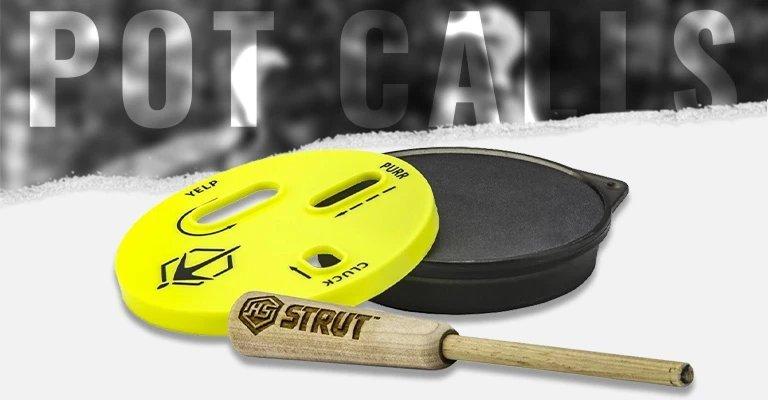
With a pot call, you can create a wide range of sounds, from soft purrs to louder yelps, depending on your pressure and movement. This makes them effective in a variety of hunting scenarios.
-
Best for: Versatility and adjusting volume based on conditions
-
Skill level: Beginner to intermediate
Here are a few Expert tips to get the best performance:
-
Keep the striking surface clean and dry
-
Rough up the striker tip for better friction
-
Avoid touching the surface, as oils from your fingers can reduce sound quality
4. Locator Turkey Calls
Locator calls aren’t used to mimic hens—they’re designed to make a tom gobble so you can find his location. These calls are especially effective early in the morning when birds are still on the roost.
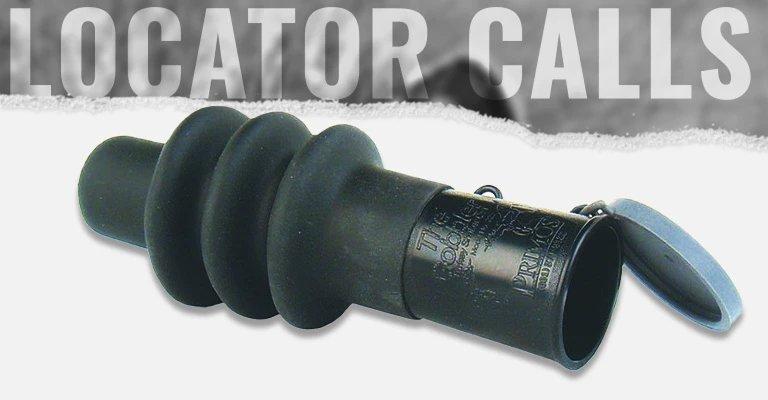
Once a turkey responds, you can switch to a hen call (like a box, pot, or diaphragm) to start working the bird.
Expert Tip | Avoid using gobble-style locator calls unless necessary, as they can be mistaken for a real turkey by other hunters.
-
Best for: Locating gobblers before setting up
-
Skill level: All levels
Which Turkey Call Should You Use?
The best turkey call depends on your experience level and hunting situation. Many hunters carry multiple calls so they can adapt based on how a turkey responds. Here are a few basics to get you started:
-
New hunters: Start with a box or pot call for ease of use
-
Versatility: Carry a pot call with multiple strikers
-
Close-range setups: Use a diaphragm call for hands-free control
-
Finding birds: Use a locator call early, then switch to a hen call
Having a mix of turkey calls in your vest gives you the flexibility to adjust your approach in the field. Whether you’re just getting started or refining your calling strategy, the right setup can help you bring more birds into range. If you’re looking for more tips on how to use a turkey call or which type to try out, stop into your local SCHEELS to speak with a Hunting Expert!
About our Experts
Conrad has been hunting ever since he was old enough to walk. No matter if it's deer, turkey, waterfowl, predators, or anything in between, Conrad's expertise and passion for hunting is year round. With over 20 years of experience in the field, he knows what gear you need to be successful outdoors, no matter what your pursuit is.