



What is Rucking?
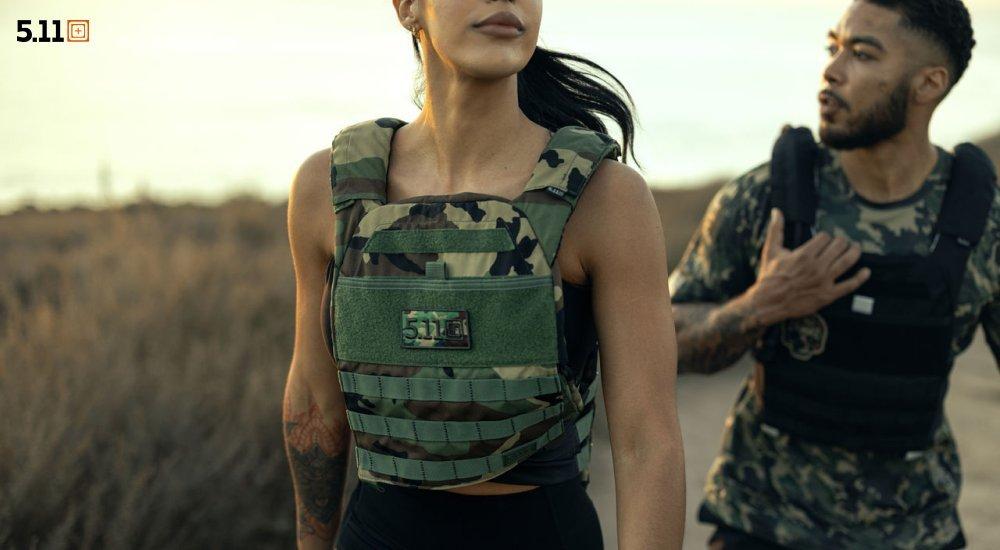
Rucking is a form of exercise gaining popularity for its accessibility and effectiveness. Rucking involves walking with a weighted backpack or vest. It builds strength, endurance, and burns calories, making it an appealing workout option for outdoor enthusiasts and beginners alike. Our Experts help you get started by explaining what rucking is, its benefits, proper techniques, and how to reduce potential risks.
History of Rucking
Rucking has its roots in military training, where soldiers would march long distances carrying heavy gear in rucksacks. This method helped them build the necessary stamina and strength for rigorous field operations. The term "rucking" stems from the word "rucksack," which is synonymous with a durable backpack used for carrying equipment.
Rucking has become a versatile fitness activity that’s approachable for a wide range of people. All you need is to walk with added weight, which makes it easy to incorporate into your fitness routine without investing in specialized equipment. While many opt for a backpack, weighted vests are a popular alternative, offering a hands-free and balanced way to add resistance during your walk or workout. Whether you’re new to fitness or looking for a simple way to enhance your training, rucking offers a flexible and accessible approach to staying active.
Benefits of Rucking
Rucking offers many health benefits beyond standard walking, combining cardio and strength training into one low-impact workout. Here’s why you should consider adding rucking to your fitness regimen:
Improved Cardio
Rucking elevates your heart rate more than walking alone because of the added weight. This makes rucking an effective cardiovascular exercise that also improves endurance. As you engage in regular rucking sessions, your heart becomes more efficient, improving overall cardiovascular health.
Better Strength & Muscle Endurance
By carrying extra weight, you engage multiple muscle groups—upper body, core, and lower body—without the high-impact stress of running. Muscles such as the shoulders, back, glutes, and legs perform crucial roles in stabilizing and carrying the load. Over time, this helps build strength and muscular endurance.
Improved Posture and Balance
Proper posture is essential in rucking to avoid injury and reap maximum benefits. As you keep an upright posture while walking with additional weight, you’re training your body to maintain correct alignment. This practice can enhance your general posture and balance, reducing the risk of falls or back pain.
Increased Calorie Burn
Carrying weight while walking increases the effort required during exercise, leading to a higher calorie burn compared to walking without weight. This makes rucking an appealing option for those looking to lose weight or enhance their fitness without engaging in high-impact sports.
How to Start Rucking
Embarking on your rucking journey is straightforward. Here's how to get started safely and effectively.
Choosing the Right Gear
The right equipment is essential for safe and comfortable rucking. Here are key components:
-
Backpack or Vest: Choose a sturdy backpack or vest that can handle weight. Look for backpacks with padded shoulder straps and a hip belt to distribute the load evenly. Most hunting and backpacking packs are built to comfortably support heavier loads. 5.11 is a trusted brand that also offers weight plates along with compatible backpacks and vests.
-
Weight: Start light. Incorporate familiar items like dumbbells or weight plates, progressing to heavier loads as your strength increases. Beginners should aim for 10-15 pounds, adjusting as their fitness improves.
-
Footwear: Invest in supportive footwear. Choose shoes with good arch support and cushioning to handle the increased weight and impact. Hiking boots, trail runners, and running or walking shoes are all great options, depending on the terrain you’ll be doing the most of your training on.
-
Clothing: Wear breathable, moisture-wicking clothing to stay comfortable throughout your session.
Rucking Techniques
Starting with proper technique is crucial for safety and an effective workout:
-
Warm-Up: Begin with a brisk walk for 5–10 minutes to loosen your muscles and prepare your body.
-
Maintain Good Posture: Keep your head up, shoulders back, and engage your core. This not only enhances balance but also prevents injury. Loading the weight in your pack high rather than low, as well as close to your body, can help maintain good posture and balance.
-
Walk, Don’t Run: Rucking is about controlled, steady movement. Running with a heavy load can cause unnecessary strain.
-
Keep a Steady Pace: Especially when starting, aim for a comfortable pace and gradually increase the intensity as you become more accustomed to rucking. Keep your strides shorter to decrease stress on your joints.
-
Bring Nutrition & Water: For longer rucks, a hydration reservoir is an easy way to stay hydrated. Snacks and exercise nutrition are also a good idea to bring for intense workouts.
-
Cool Down: Finish with a low-intensity walk and stretches to speed recovery.
Related Expert Advice | Muscle Recovery: What To Do After a Workout
Potential Risks of Rucking
Like any exercise, rucking has risks, but they can be managed with simple precautions. To prevent injuries like strains to the back, knees, or shoulders, focus on good form and gradually increase the weight you carry. Remember that even though it's lower-impact than running, it is still intense, especially with heavy loads, so listen to your body and build endurance slowly to prevent overexertion. Always use supportive footwear and choose safe trails to avoid falls.
If you have pre-existing conditions like joint issues, consult a healthcare provider before you begin.
Frequently Asked Questions
Rucking is a versatile, effective workout that offers cardiovascular and strength benefits. By incorporating this low-impact exercise into your routine, you can enhance your fitness and overall well-being. For further advice or guidance on selecting the best gear, visit your local SCHEELS to speak with our Fitness Experts.