



Whey Protein Concentrate vs. Isolate: Which is Right for You?
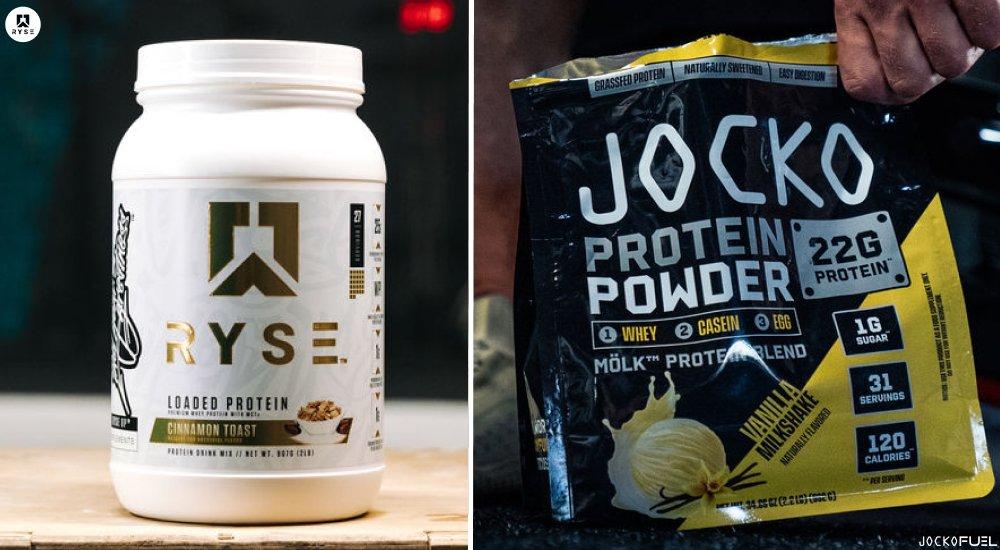
When it comes to choosing a protein supplement, the decision between whey protein isolate and concentrate can be confusing. Both forms of whey protein offer benefits, but understanding their differences can help you in selecting the right one for your nutritional and fitness goals. Our SCHEELS Experts break down the distinctions to help you make a decision.
What is Whey Protein?
Whey protein is a high-quality protein derived from milk during the cheese-making process. It is a complete protein, meaning it contains all nine essential amino acids necessary for muscle growth and repair. Whey protein is popular among athletes and fitness enthusiasts for its role in supporting muscle protein synthesis and helping to promote muscle mass.
What is Whey Protein Concentrate?
Whey protein concentrate is a form of whey protein that contains varying levels of protein, typically ranging from 70% to 80%. The remaining content includes carbohydrates, fats, and lactose. This makes it a more natural form of whey protein, retaining more of the nutrients found in milk.
Pros and Cons of Whey Protein Concentrate
Pros:
-
Cost-Effective: Whey protein concentrate is generally more affordable than isolate, making it a popular choice for those on a budget.
-
Nutrient-Rich: It contains more of the beneficial nutrients found in milk, such as immunoglobulins and lactoferrin.
Cons:
-
Higher Lactose Content: Can be an issue for those who have a lactose allergy.
-
Lower Protein Content: Compared to isolate, concentrate has a lower protein percentage, which may not be ideal for those seeking maximum protein intake.
What is Whey Protein Isolate?
Whey protein isolate undergoes additional processing to remove most of the carbohydrates, fats, and lactose, resulting in a product that is typically 90% or more protein. This makes it a purer form of whey protein, a great option for those with specific dietary needs.
Pros and Cons of Whey Protein Isolate
Pros:
-
High Protein Content: With a higher protein percentage, isolate is perfect for those looking to maximize their protein intake.
-
Low in Lactose: The reduced lactose content makes it suitable for individuals with lactose intolerance.
-
Low in Carbs and Fat: Can be a good fit for low-carb and low-fat diets.
Cons:
-
Higher Cost: The additional processing makes whey protein isolate more expensive than concentrate.
-
Less Nutrient-Rich: Some of the beneficial nutrients found in concentrates are lost during processing.
Key Differences Between Whey Isolate and Concentrate
Protein Content
Whey protein isolate contains a higher percentage of protein compared to concentrate. This makes isolate a better choice for those who prioritize protein intake above all else.
Lactose Content
For individuals with lactose intolerance, whey protein isolate is the preferred option due to its lower lactose content. Concentrate, on the other hand, retains more lactose, which can cause digestive issues for some.
Cost
Whey protein concentrate is generally more affordable, making it a cost-effective option for those who do not have specific dietary restrictions.
Which is Easier to Digest?
Whey protein isolate is often easier to digest for individuals with lactose intolerance due to its reduced lactose content. However, both forms of whey protein are generally well-tolerated by most people.
Which is Better for Your Fitness Goals?
Muscle Growth and Recovery
Both whey protein isolate and concentrate can be effective in supporting muscle growth and recovery. However, if maximizing protein intake is your primary goal, isolate may be the better choice due to its higher protein content.
Weight Management
For those focused on weight management, whey protein isolate's lower carbohydrate and fat content can be beneficial. It supports a high-protein, low-carb diet, which can aid in weight loss and muscle maintenance.
Ultimately, both forms of whey protein can support your fitness journey. Consider your dietary needs, budget, and fitness goals to make an informed decision. For additional guidance on protein powder and nutrition, visit your local SCHEELS to speak with an Expert.