![[object Object]](https://res.cloudinary.com/dlwdq84ig/image/upload/w_3840,q_auto,c_scale/x1qgcm5jcooqwptm0kbq)



Hockey Stick Flex Guide & Chart
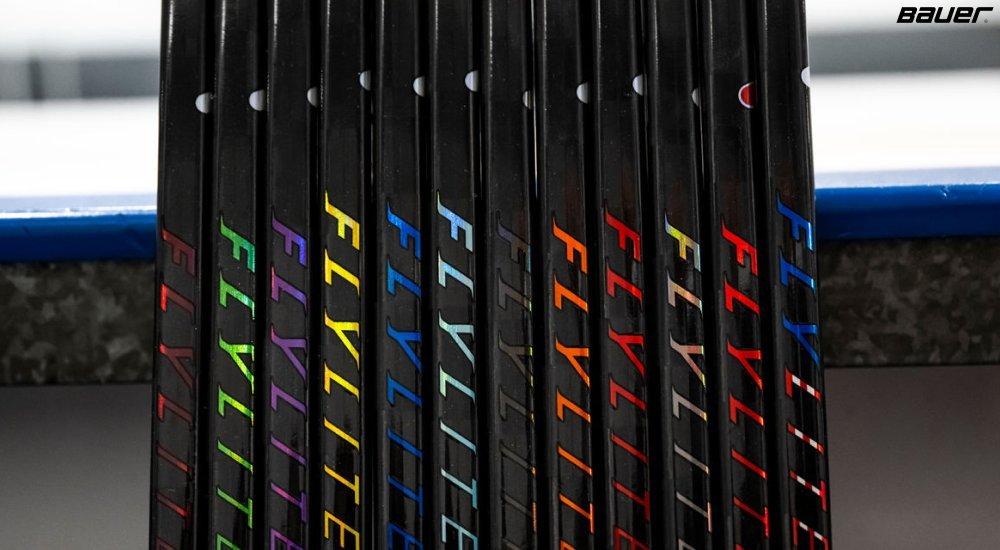
Hockey is a quick-paced and physical sport that requires equipment suited to enhance your skills. Having the proper length of a hockey stick is important but so is using a hockey stick with the right amount of flex. Many new hockey players and parents have questions about hockey flex, so our SCHEELS Hockey Experts broke down everything you need to know. From what the flex number means to which hockey stick flex you should use, our hockey stick flex guide will help you find the best hockey stick flex for you or your player.
What Is Hockey Stick Flex?
Hockey stick flex refers to how much the stick bends when force is applied, such as during a shot. This bending affects the overall feel and performance of the stick during play.
What Does the Flex Number Mean?
The flex number, displayed on the stick’s shaft, typically ranges from 30 to 110. Manufacturers determine this number by measuring how much force is needed to bend the shaft one inch using a testing machine. For example, a stick with a flex of 50 requires 50 pounds of pressure to bend it one inch. Generally, a higher flex number means the stick is stiffer, while a lower number indicates more flexibility.
What Flex Should I Use?
Many new hockey players (and parents) wonder what hockey stick flex they should use. Ultimately, this comes down to feel and personal preference, but a good starting point when finding the right flex is dividing the player’s body weight by two. For example, if the player weighs 160 pounds, they should start with an 80 flex hockey stick.
Hockey Stick Flex Chart
Below is a detailed hockey stick flex chart to help guide you through which flex may be right for your level of hockey.
| Model | Flex | Level | Profile |
|---|---|---|---|
| Youth | 30—42 | Mites/Squirts | Introduction to a composite hockey stick |
| Junior | 50—52 | Squirts/Peewee | Ages 8—12, Improve puck velocity and release time |
| Intermediate | 60—75 | Peewee/Bantam | Players with smaller hands, can't use Senior dimension stick but need the longer blade for control |
| Senior | 75—77 | High School & Up | Player seeking maximum energy loading, softest flex available in this shaft dimension |
| Senior | 85—87 | High School & Up | Most popular flex rating, ideal for quick release |
| Senior | 100—112 | High School & Up | Ideal for a player with a wide range of shots |
How Does Flex Affect Hockey Sticks?
The flex of a hockey stick plays a key role in both the power and control of your shot. If you find your shots are difficult to control, your stick’s flex may be too low. On the other hand, if your shots lack power, you might be using a stick with a flex that is too stiff for you.
What Is the Kick Point of a Hockey Stick?
With advances in composite stick technology, players now have the ability to select their preferred kick point. The kick point of a hockey stick refers to the specific spot along the shaft where the stick bends the most during a shot. There are three primary kick point options: low kick, mid kick, and high kick.
-
Low kick: The stick flexes near the bottom third of the shaft, making it ideal for quick wrist shots taken close to the net.
-
Mid kick: Found in the middle of the shaft, this is the most popular choice across all levels of play. It offers a balanced feel, providing both fast wrist shots and strong slap shots.
-
High kick: The flex point is located near the top third of the shaft. This option is designed for maximum power and is typically favored by defenders who take forceful slap shots from the blue line.
The position you play can influence the most suitable kick point for your stick. Forwards often prefer low or mid kick points because their shots rely on speed and quick release. Defenders generally opt for a high kick point, since they have more time and space to wind up for powerful shots from a distance.
FREQUENTLY ASKED QUESTIONS
Does Cutting the Hockey Stick Change the Flex?
Yes, cutting your hockey stick will affect its flex. For every inch you trim off the shaft, the stick’s flex rating increases by about three to five points. As a result, the stick becomes stiffer and less flexible.
When selecting a hockey stick flex, keep in mind that it ultimately comes down to personal preference and how the stick feels during play. It's helpful to try out several different flex ratings and brands to find the one that best suits your style. Now that you understand how cutting your stick changes the flex, you’re ready to choose the right option for the season. Explore our top picks for hockey sticks this year or visit your local SCHEELS to speak with a Hockey Expert.