![[object Object]](https://res.cloudinary.com/dlwdq84ig/image/upload/w_3840,q_auto,c_scale/x1qgcm5jcooqwptm0kbq)



Which Bike Helmet is Right for Me?
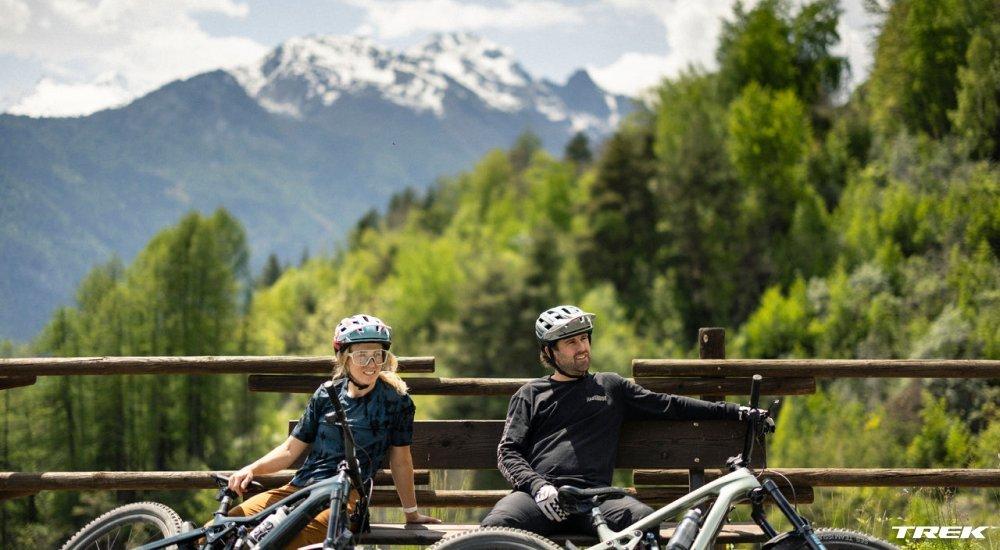
When you’re browsing the internet or shopping in the store, you’ll quickly realize there are several different types of bike helmets available. With all these different types of bike helmets, many people are left wondering what the difference is and which one works best for them. For an easier time selecting the right bike helmet for you or your child, our Experts broke down the main types of bike helmets and the key features of each safety system. With this information, you’ll be able to select the right bike helmet so you can hit the paved paths, trails, or gravel roads this summer!
Types of Bike Helmets
Road Bike Helmets
A road bike helmet is the most common choice for those who enjoy biking casually or even competitively. Road bike helmets are designed to be lightweight for improved aerodynamics while racing. This type of bike helmet is designed to offer maximum protection to the front and sides of your head. Most road bike helmets feature several vents to release heat at faster speeds, keeping you cool on your extended rides.
Commuter Bike Helmets
If you’re someone who commutes to work by bike, you may want to consider wearing a commuter bike helmet. A commuter helmet keeps your head protected and also features a lower profile design for easier storage and style. Since commuter helmets are mainly worn for those who bike as a means of transportation, some of these bike helmets feature rear back lights for low-light visibility and front visors to shade your eyes from the morning sunrise.
Mountain Bike Helmets (MTB)
Because of the more challenging terrain, you have a higher risk of falling when mountain biking compared to road biking. So, if most of your biking happens on the trail, you’ll want to look for a mountain bike helmet, also known as a MTB helmet. Mountain bike helmets have a visor on the front for face protection during a fall as well as to protect you from being hit by low-hanging branches. The second safety feature is the lower-cut back to offer more protection for the lower part of your head.
Enduro Bike Helmets
For enduro mountain biking, you’ll want an enduro bike helmet for maximum head and chin protection. Enduro mountain biking is an extreme form of downhill mountain biking where you’re timed from the top of the mountain to the ending point. With high speeds and challenging terrain, you want to ensure your head and chin are fully protected with a full-face mountain bike helmet.
Bike Helmet Protection
Aside from choosing the type of bike helmet that matches your riding style, you’ll want to pay attention to the bike helmet safety systems on the interior. All bike helmets feature an external plastic shell and helmet liner that work together to prevent punctures and protect your head, neck, and brain during an accident. There are two main brain protection systems (BPS) available today—MIPS: Multi-Directional Impact Protection System and WaveCel.
MIPS Bike Helmet Safety System
One of the most common forms of interior bike helmet protection is MIPS. MIPS stands for Multi-Directional Impact Protection System and is designed to reduce rotational forces that can be transferred to the brain. When a bike helmet features MIPS, the shell and liner are separate allowing the shell to absorb impact while the inner layer of the bike helmet slides slightly in every direction to reduce harmful rotational forces on the brain.
WaveCel Bike Helmet Safety System
WaveCel is the second common brain protection system (BPS) option. The innovative WaveCel technology is found only in Bontrager bike helmets and is designed to offer superior head and brain protection against cycling-related accidents. Upon impact, the WaveCel material flexes and crumples to absorb force and then glides to move energy away from your brain, leading to less problematic brain injuries.
Kids’ Bike Helmets
Whether your kids are riding in a bike trailer or learning how to ride their own bike, safety needs to be top priority. With a kids’ bike helmet, you’ll keep their brain protected from injury during an accident. Most kids’ bike helmets are designed with the same brain protection systems as adult bike helmets, and many feature bold colors and graphics or cartoon characters so that your young child is excited to wear their helmet.
Make sure to check that your kids’ bike helmet fits properly each year, and avoid the “they’ll grow into it” mentality when purchasing a new kids’ bike helmet as this can reduce head protection during an accident. If you plan on riding your bikes to the park to play, you’ll want to encourage your child to take their bike helmet off when climbing around to avoid injuries.
Depending on the style of biking you plan on doing, choosing the right type of bike helmet is important for maximum protection and performance. Aside from finding the right type of bike helmet and technology, you’ll want to make sure your bike helmet is sized properly. For help learning how to measure for a bike helmet or additional assistance, stop by your local SCHEELS and speak to a Bike Expert!