![[object Object]](https://res.cloudinary.com/dlwdq84ig/image/upload/w_3840,q_auto,c_scale/x1qgcm5jcooqwptm0kbq)



Choosing the Right Track Spikes
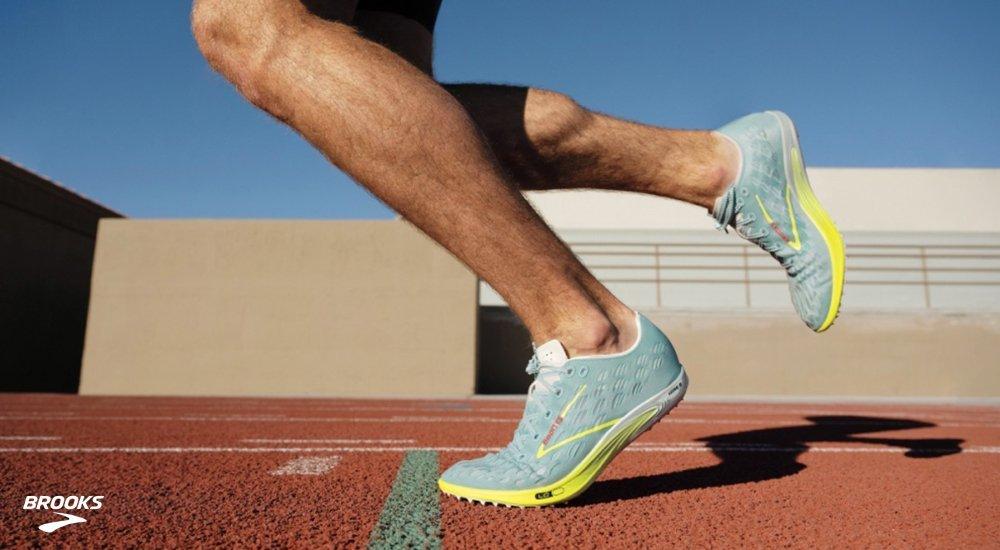
Choosing the right track spikes can make all the difference in your performance on the track. Although seemingly small, the right (or wrong) track spikes could be the deciding factor between winning or losing a crucial event. The most important factor in determining what track spikes to wear is to consider what events you will be competing in. Our Experts walk you through which track spikes work best for the events you run in.
What are Track Spikes?
Track spikes are specially designed shoes for running events on track surfaces. They’re typically only worn for competition day or for designated workouts; you should avoid wearing them during regular training or on hard surfaces, as they provide minimal support, and the spikes can quickly become worn down. Track spikes come in several different designs depending on the length of the race or event you’re running. The longer the distance of the race, the more structured spike you’ll want. These shoes consist of several components such as the spike plate, spike pins, and upper sole that are all designed to give you traction, support, and comfort during your race.
Types of Track Spikes
Sprint Spikes
Sprint spikes are designed for shorter races such as the 100m, 200m, and 400m. They have a stiff spike plate and little to no cushioning in the heel for a minimal drop. Sprint spikes are shaped to keep you on your toes for a more explosive running experience for those quick events. Sprint spikes are also the lightest type of spikes, allowing for more speed and acceleration.
Events: 100m, 200m, 400m
Features:
-
Lightest spikes
-
Low support
-
Low structure
-
Designed for speed & power
-
Spikes positioned toward the front of the foot
Mid Distance Spikes
Middle distance spikes are a balance between sprint spikes and distance spikes. While they still promote a forefoot strike like sprint spikes, middle distance spikes include more cushioning in the heel to aid in shock absorption for longer distances. The spike plate is also less rigid, allowing for greater flexibility in the foot for multi-directional movement during mid distance events. Mid distance spikes are used for slightly longer races between 400 and 1500 meters.
Events: 400m, 800m, 1500m
Features:
-
Medium support (heel)
-
Medium structure (spike plate)
-
Minimal cushioning
-
Provides more protection and comfort
Long Distance Spikes
Long distance spikes provide athletes with the most comfort and traction needed for running long distance races, such as the mile- or two-mile run. These spikes have the most support and stability of track spikes with cushioning in the heel. They’re made to increase the efficiency of the running stride and provide you with a more structured heel-to-toe strike. Long distance spikes are recommended for longer races where more comfort and cushioning are required.
Events: 1 mile, 2 mile
Features:
-
High support (heel)
-
High structure (spike plate)
-
Comfort and durability
-
Fewer spikes
Cross Country Shoes
Cross country shoes are designed for the rough and varied terrain of cross country courses. These spikes typically have longer spikes and a more aggressive spike plate than other spikes to provide better traction on varied terrains such as grass, dirt, gravel, and sand. Cross country spikes are also typically more durable and provide comfort and grip for distances between 5,000 and 10,000 meters. They usually have more cushioning in the heel than other spikes since cross country races are longer, and your spikes need to be more forgiving on impact.
Events: 3K (middle school), 5K (high school), 10K (college)
Features:
-
High support
-
High structure
-
Cushioning for rough terrain
-
Longest spikes for traction
Track Spike Fit
Fit is the most essential factor to consider when choosing track spikes. It's important to find spikes that are comfortable, snug, and can be adjusted to your feet. Always try on spikes before purchasing to ensure a perfect fit. You’ll also want to consider whether you’ll be wearing them with or without socks, as this can influence how snugly they fit.
-
Sprint spikes are meant to fit snug to the foot for an almost sock-like feel. Note that you want to keep a few centimeters between your front toe and the front of the spike just like you would trying on regular shoes.
-
Mid distance spikes usually provide more arch support than sprint spikes and may come with an extra cushion for increased comfort during longer runs. The fit should still be snug but not as tight since these spikes are designed to accommodate a wider range of race distances.
-
Distance spikes offer a more relaxed fit and leave a bit more room for your feet to expand as you run. Look for models with breathable materials and cushioning for maximum comfort during extended-distance workouts.
-
Cross country spikes should fit more like a regular running shoe, with a bit of extra support around the ankle and a rugged outer sole for rough terrain. It's also important to consider the weather conditions you'll be running in—choose spikes with extra traction for muddy or slippery courses.
Choosing the right track spikes can be a challenge, but with the proper steps, you can find the perfect pair based on your event, distance, and race surface. Make sure to test your spikes out in advance during training and keep in mind that the right pair can give you the extra advantage you need for a personal record time and even a race win. If you have any more questions on track spikes, stop by your local SCHEELS and speak to a Footwear Expert!