![[object Object]](https://res.cloudinary.com/dlwdq84ig/image/upload/w_3840,q_auto,c_scale/x1qgcm5jcooqwptm0kbq)



How to Carry Water While Running
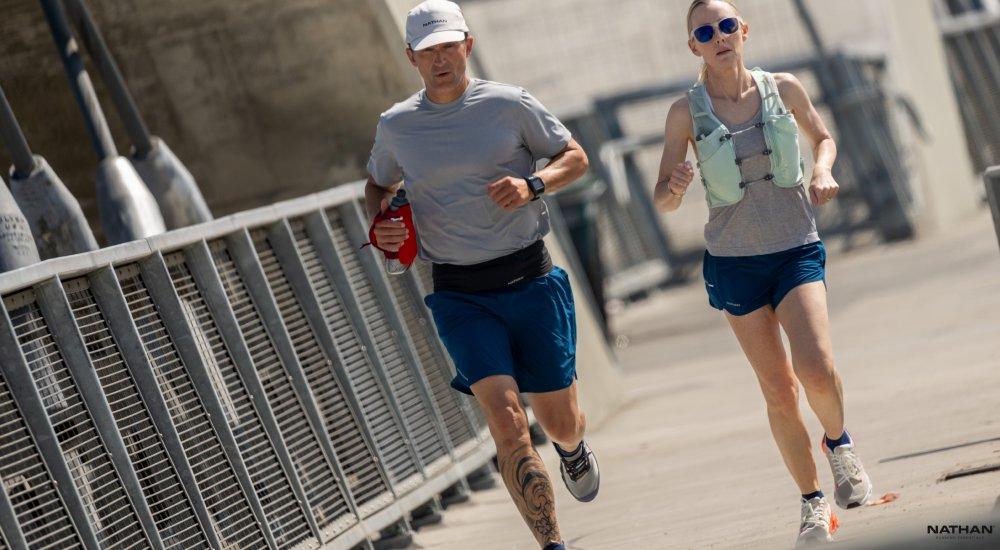
Transitioning from short runs to longer distances can raise a key question for runners: how to carry water while running. Staying hydrated is essential, especially in hot weather, and planning a long route with plenty of water fountains can be difficult. That’s why many runners—from beginners to marathoners and ultra-marathoners—choose to carry their own water on runs.
There are four popular ways to carry water during your run: handheld running water bottles, running water bottle belts, running hydration backpacks, and running water vests. The right choice depends on your distance, running style, temperature, and any extra essentials you want to carry. Below, our Running Experts break down the benefits and drawbacks of each option so you can choose the perfect hydration solution for your next run.
1. Handheld Running Water Bottle
A handheld running water bottle is ideal for short- to mid-distance runs, especially in hot weather. Most bottles feature a strap to secure the bottle in your hand, so you don’t waste energy gripping while running.
Why Runners Choose a Handheld:
-
Insulated to keep water cooler
-
Easy to drink while running
-
Zippered pocket for phone or keys
Considerations:
-
Limited water capacity, not ideal for long-distance runs
-
Can cause upper body fatigue or misalignment
2. Running Water Bottle Belt
For longer runs (one hour or more), a running water bottle belt gives you more hydration without holding bottles in your hands. Many belts include dual bottles—perfect for water and an electrolyte drink—plus pockets for fuel, keys, or a phone.
Why Runners Choose a Belt:
-
Hands-free hydration
-
Extra storage for phone, keys, and nutrition
-
Usually includes two bottles for water and electrolyte drinks
Considerations:
-
Can chafe if not fitted properly
-
Bottles may be harder to access while running
3. Running Hydration Packs & Vests
For long-distance runners and ultramarathoners, carrying enough water and fuel is essential. Running hydration packs and water vests are both designed for extended runs, but they differ in how they carry weight and provide access to hydration.
Running Hydration Pack
A running hydration pack sits on your back and can carry up to 2 to 3 liters of water, plus storage for extra layers, snacks, and other essentials. It’s ideal for long runs where staying hydrated without stopping is key.
Why Runners Choose a Pack:
-
High water capacity
-
Drink while running through hose valve
-
Extra space for clothing, snacks, or gear
Considerations:
-
Adds weight and bulk
-
Fabric can cause arm chafing
-
Usually holds only one type of drink
Running Water Vest
A running water vest distributes weight across the chest with two front water bottles, reducing bouncing and chafing compared to a backpack. Vests allow multiple hydration options and are designed specifically for running.
Why Runners Choose a Vest:
-
Front bottles reduce bouncing
-
Multiple hydration options (water + electrolytes)
-
Designed to minimize chafing
Considerations:
-
Less storage than a pack
-
Slightly heavier than handheld bottles
-
Drinking while running may require a brief stop
Expert Tip | Hydration packs are best for maximum storage, while vests provide front-access bottles and reduced bounce.
Best Ways to Carry Water While Running: Comparison Chart
| Feature | Handheld Bottle | Running Belt | Hydration Pack | Water Vest |
|---|---|---|---|---|
| Best For | Short runs, quick hydration | Mid-distance runs (1+ hour) | Long runs, trail runs, ultramarathons | Long runs, races, performance running |
| Water Capacity | Low (10–20 oz.) | Moderate (20–40 oz. total) | High (up to 2–3L) | Moderate (1–2L total) |
| Hands-Free | No | Yes | Yes | Yes |
| Storage Space | Minimal (keys/phone) | Small (phone, fuel) | High (gear, layers, nutrition) | Moderate (fuel + essentials) |
| Comfort | Easy but can cause arm fatigue | Can bounce or chafe if not fitted | Heavier, may cause chafing | Snug fit, minimal bounce |
| Ease of Drinking | Very easy while running | May require slowing down | Easy with hose | Moderate (front bottles) |
| Weight Distribution | One-sided (hand/arm) | Around hips | Back-loaded | Even front & back |
Frequently Asked Questions about Hydration when Running
The best way to carry water when running really comes down to the distance and your personal preference. If you have additional questions about running, stop by your local SCHEELS to speak with a Running Expert!