



How to Choose Training Shoes
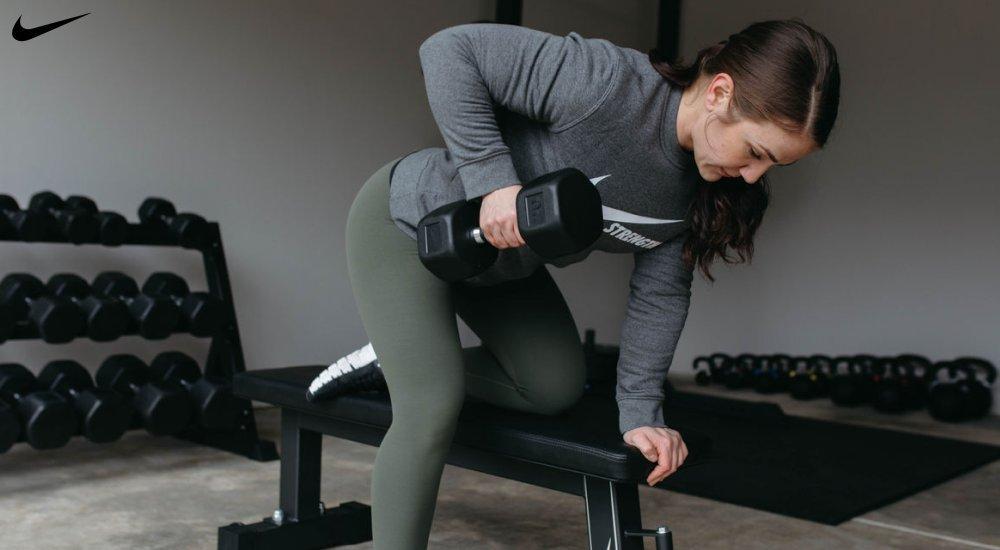
When starting your fitness journey, choosing the right training shoes can be overwhelming. With a wide range of brands and styles to choose from, you might feel conflicted on what shoe will work best for your workouts. Our Footwear Experts put together important tips to consider when finding your perfect pair of training shoes.
What Are Training Shoes?
Training shoes are typically used as your all-in-one gym shoe to support your physical activities. These shoes are flatter than running shoes or sneakers, with a low heel-to-toe drop and more flexibility.
Best For:
-
Weight Lifting
-
Strength Training
-
Agility Training
Not Ideal For:
-
Walking
-
Running
Features of Training Shoes
When choosing training shoes, it’s important to keep an eye out for the following features:
-
Upper design: You want a shoe with a well-ventilated upper design to allow your feet to stay dry and cool during workouts.
-
Flat Outsole: Look for a training shoe with a flat outsole pattern that provides extra traction designed for lateral movements for a range of different exercises.
-
Cushioning: Make sure your shoes have the appropriate amount of cushioning to provide enough support and comfort while you train.
-
Stability & Support: Choose a shoe that has the right amount of arch and heel support to protect your feet during weightlifting.
Training Shoes vs Running Shoes
Training shoes are different from running shoes as they are designed to provide a flat level of support. For instance, training shoes often have a thicker sole and more padding, which can provide enhanced protection during high-impact activities. Training shoes are also built to support more side-to-side lateral movements for gym use. Running shoes, on the other hand, have more of a rocker feel to guide your foot from heel to toe and provide increased flexibility and better shock absorption.
Training Shoes:
-
Cushioning: Firm flat cushioning platform.
-
Supports multidirectional movement.
-
Good for sports, weightlifting, and cross-training.
-
Outsole pattern: Lateral movement.
-
Weight: Designed heavier for more support.
Running Shoes:
-
Cushioning: Absorb more impact.
-
Supports forward motion movement.
-
Good for longer endurance running.
-
Heel-to-toe support.
-
Outsole pattern: Forward movement.
-
Weight: Designed lighter and more breathable.
Considerations When Choosing Training Shoes
Your foot type will determine the type of training shoe that’s right for you. If you have a high arch, you will need a shoe with extra arch support. If you have flat feet, then you may need a shoe with additional cushioning. Those with a neutral arch will generally be able to wear any type of training shoe comfortably.
Pick the Right Size
Wearing properly fitted training shoes is essential for reducing injuries, improving performance, and keeping feet healthy. In addition to providing the right amount of cushioning and support, the right size shoes can also help with better shock absorption and freedom of movement. On the other hand, wearing the wrong size shoes can lead to soreness, reduced mobility, blisters, twisted ankles, and other unwanted injuries.
Test the Support
To make sure your shoes have all the support you need, try them on and take a few steps. Bend down and check if the arch holds, and jump up and down to make sure the cushioning is up to par. Walking around will test if the heel of your foot feels unstable, which is a sign that the support isn’t sufficient and you should try another pair.
Look for Quality Materials
When choosing your training shoes, make sure to select styles made from quality materials. This will ensure that your shoes last longer and provide the best possible protection for your feet.
Whether you’re into weight lifting, cross-training, or agility training, finding the right training shoes can help you stay comfortable and safe during your workouts. With these tips in mind, you can be sure to find a pair of training shoes that will meet your needs so you can take your workouts to the next level. If you have any more questions about training shoes, stop into your local SCHEELS and speak with a Footwear Expert!