



Benefits of Incline & Decline Treadmill Training
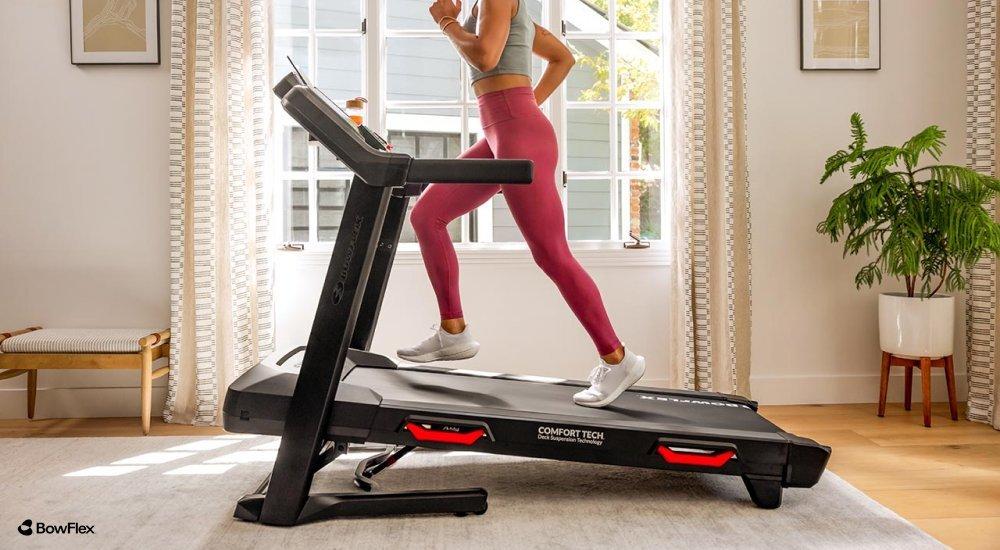
Incline and decline training introduce new challenges to your workout routine that deliver a wide range of benefits. Whether you’re just getting started or looking to take your training to the next level, using incline and decline modes while walking on your treadmill can enhance muscle strength and endurance, increase calorie burn, and boost overall cardiovascular health. Our Experts outline what you need to know about incline and decline training—and how to effectively incorporate it into your routine.
Looking for a great incline treadmill? See our Experts’ picks for the best treadmills of the year.
Understanding Incline & Decline Training
To understand the benefits, we’ll first help you understand what exactly incline and decline mean in the context of treadmill workouts.
-
Incline Training: This involves adjusting the treadmill to an upward slope. It simulates hiking uphill, significantly changing your muscle engagement and boosting workout intensity.
-
Decline Training: This sets the treadmill to a downward slope, mimicking walking or running downhill. This adjustment introduces a unique challenge for stability and muscle control.
These simple adjustments increase the demands on your muscles and cardiovascular system, enhancing your overall workout intensity compared to a flat surface.
A Closer Look: Incline Training
Incline training simulates movement against gravity, forcing your body to work harder. This upward angle engages key muscle groups, providing a powerful, targeted workout:
-
Primary Muscles Targeted: Glutes, hamstrings, and calves.
-
Workout Demands: Requires increased effort from your heart and lungs, boosting calorie burn and aerobic benefit.
-
Effect: Increases the overall intensity of your walk or run.
A Closer Look: Decline Training
While less common, decline treadmill training provides a distinct muscular challenge. By moving on a downward slope, the emphasis shifts, offering unique benefits:
-
Primary Muscle Targeted: The quadriceps (front thigh muscles) work eccentrically to control your descent, acting as powerful brakes and stabilizers.
-
Workout Demands: Engages muscles responsible for balance and stability, preparing muscles and joints for real-world downhill movement.
-
Effect: Develops specialized muscle control that is distinct from incline or flat-surface training.
Benefits of Incline Training
The following health and fitness benefits may be attained by incorporating incline walking into your routine:
1. Enhanced Cardiovascular Health
Incline training increases your heart rate more than flat-surface walking or running. This supports better heart health by strengthening your cardiovascular system and improving your overall endurance. As you climb a steeper slope on the treadmill, your body requires more oxygen and energy, which can help increase your VO2 max—a key measure of cardiovascular fitness.
2. Increased Calorie Burn
One of the most effective ways to boost calorie burn is by adding incline intervals to your treadmill sessions. Moving uphill requires your body to work harder against gravity, which may lead to a 20 to 50% increase in calories burned compared to flat walking or running. This makes incline treadmill workouts a great addition to any routine focused on weight management.
3. Muscle Engagement and Strength
Incline treadmill training targets your lower body in ways flat surfaces cannot. Your glutes, calves, and hamstrings play a larger role as you climb, encouraging muscle growth and greater overall strength.
4. Improved Functional Fitness
Adding regular incline training to your weekly routine helps build real-world strength and resilience. Tasks like hiking, stair climbing, and walking uphill become easier, and you will notice stronger legs and core, better balance, and a lower risk of injury.
5. Joint-Friendly Exercise
Incline walking or running on a treadmill provides a lower-impact cardiovascular workout than activities like sprinting or jumping. This makes it an excellent choice for individuals with joint considerations, or for anyone seeking a powerful workout without excess strain.
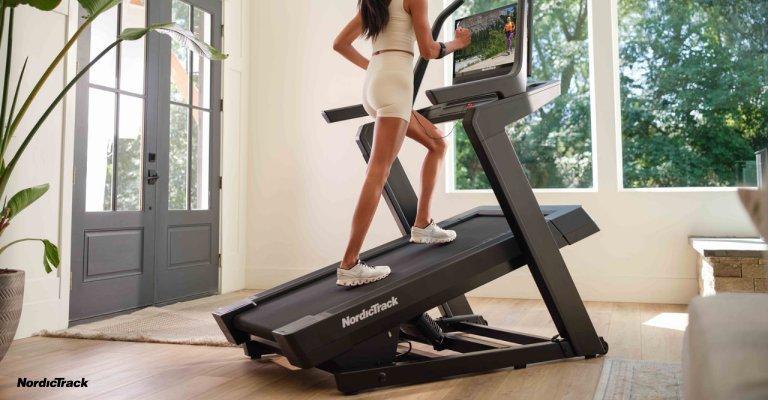
Benefits of Decline Training
Decline walking and running offer distinct benefits compared to incline walking:
1. Targeted Lower Body Muscle Development
Decline treadmill training uniquely challenges the quadriceps and the stabilizing muscles at the front of your legs. As you control your movement downhill, you activate muscles that may not be used as intensively during flat or incline workouts. Over time, this targeted training can help balance muscle development and improve performance for outdoor running or hiking.
2. Improved Balance and Coordination
Working out on a decline surface forces your body to adjust to changes in momentum and center of gravity. Regular decline training strengthens your ability to control your descent and enhances your balance and coordination—key benefits for trail runners, hikers, and athletes, as well as for older adults.
3. Variety for Motivation and Progress
Alternating between incline, flat, and decline treadmill workouts keeps your exercise routine fresh and challenging. Mixing up your workouts prevents monotony, supports consistent motivation, and helps you target different fitness goals.
Expert Tips for Getting Started
Our Experts share the following tips and techniques to help you safely and effectively get started with incline and decline training:
Techniques for Effective Incline Training
Incline training is effective when progressively added to your fitness routine. Use these tips to build strength and endurance safely:
-
Start Slow: Begin with short intervals (5-10 minutes) at a mild incline (around 2%–5%).
-
Use Gradual Progression: Gradually increase the incline and duration of your sessions as your fitness level improves.
-
Set a Goal: Aim for sustained sessions of 30 minutes or more to maximize cardiovascular benefits and muscle engagement.
-
Listen to Your Body: Maintain steady, controlled steps and good posture throughout the workout. Adjust intensity based on your personal comfort and fitness goals.
Techniques for Effective Decline Training
Decline treadmill training requires deliberate practice to grow more comfortable with the form and control. Focus on technique over speed:
-
Start Slow: Begin with a slight downward slope and keep the speed slow, starting with a controlled walk.
-
Pay Attention to Footwork: Concentrate on soft, controlled steps. Keep your knees slightly bent to maximize quadriceps engagement and enhance stability.
-
Use Gradual Progression: Slowly and cautiously increase the decline angle and time as you become comfortable with the mechanics.
-
Listen to Your Body: Proper technique is crucial. Avoid rushing and always be mindful of your form to ensure safety and effectiveness.
Safety Tips & Reminders
Safety is the top priority when adding any new angle to your treadmill sessions:
-
Use Handrails: Utilize the handrails as needed when first adjusting to new or steep angles, especially on the decline, for stability. Once stable, try to run or walk without them to engage core muscles.
-
Know Your Limits: Stay within your current fitness limits and do not push to extreme inclines or declines too quickly.
-
Stop or Adjust as Needed: Pay close attention to your body’s feedback, particularly in the ankles, knees, and hips. If you experience sharp pain, stop immediately.
-
Maintain Focus: Always stay focused on your form and footing to prevent slips or falls.
Comparing Incline & Decline Training
The following comparison chart outlines the key differences between incline and decline training and how they align with different goals:
| Feature | Incline Training | Decline Training |
|---|---|---|
| Primary Muscle Focus | Lower body and core strength | Quadriceps and muscle control |
| Key Benefits | Builds lower body/core strength, supports cardiovascular fitness, and burns additional calories | Supports balance and downhill movement skills, reduces muscle imbalances |
| Goal Outcomes | Improving heart health, boosting lower body strength, supporting weight management | Developing downhill coordination, reducing muscle imbalances, adding new challenges to workouts |
Overall, we recommend experimenting with a combination of both incline and decline training in your fitness routine, as they offer unique benefits that complement each other.
Through incline and decline treadmill training, you can bring new energy and challenge to your workouts, target different muscle groups, burn more calories, and improve your readiness for outdoor activities. For additional information about incline or decline training or assistance in finding the right exercise equipment for your needs, visit your local SCHEELS to speak with a Fitness Expert.