![[object Object]](https://res.cloudinary.com/dlwdq84ig/image/upload/w_3840,q_auto,c_scale/x1qgcm5jcooqwptm0kbq)



How to Kayak | Kayaking for Beginners
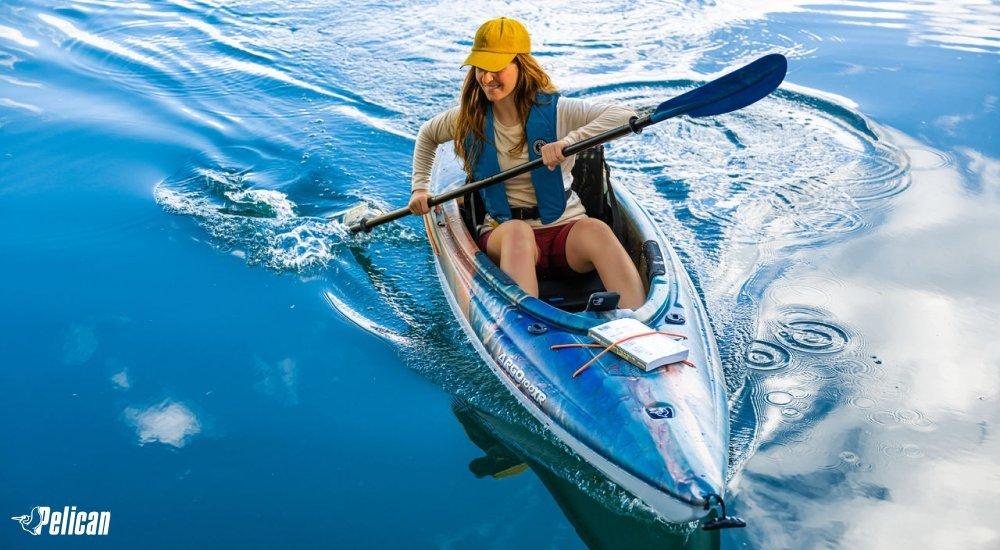
This article is part of the Kayaking Basics series.
Taking a kayak out on the water is the perfect way to explore the great outdoors while exercising and enjoying nature's beauty. Knowing the basics of kayaking is essential for a fun and safe experience on the water. Our Kayaking Experts cover all of the information you need to know about kayaking, from what to wear and bring to how to transport and get in a kayak.
Kayaking Gear & Clothing
Kayaking Necessities
-
USCGA PFD (Personal Floatation Device): A PFD or life vest is a must-have when kayaking. It will keep you afloat in case you capsize and is required by law in most places.
-
Kayak paddle: Read our Expert Advice on how to choose a kayak paddle.
-
Bilge pump: To help remove any water that may get in the kayak.
Tip: Check out our must-have kayak accessories to ensure you have everything you need.
What to Wear Kayaking
When heading out for a kayaking adventure, it is crucial to wear the right gear to ensure your comfort and safety on the water. Always avoid wearing cotton, as it retains moisture. Here are some essential items to consider wearing when kayaking in warm weather and warm water:
-
Swimwear, shorts, or lightweight pants: Wear non-cotton bottoms that are quick-drying and suitable for the weather conditions.
-
Short- or long-sleeve rashguard top: Any non-cotton top will work.
-
Water shoes: Choose footwear that can get wet and provide good traction on slippery surfaces.
-
Sun protection: Wear a hat and sunglasses to protect yourself from burns and glare on the water.
Expert Tip | Kayaking in cold weather? Check out our guide on what to wear kayaking.
What to Bring Kayaking
In addition to wearing the right gear, you’ll need to pack these essential items for your kayaking trip. Here's a list of what to bring:
-
Water and snacks: Stay hydrated and energized when on the water.
-
Sunscreen: If you’re not wearing UV clothing, be sure to apply sunscreen regularly. Don’t forget about SPF lip balm!
-
Waterproof bag: Keep your essentials dry and tucked away in case of a capsize.
-
Emergency kit: Including a paracord, knife, and whistle.
Note: If you have little experience kayaking, be sure to prioritize your safety. Always wear a PFD, bring a friend with you, know your water temp and forecast conditions, keep your first trips short, and always pack a whistle.
How to Transport a Kayak
Transporting a kayak can be tricky, but having the right equipment and techniques can make it much easier. Here are some ways to transport your kayak:
-
Roof rack: If you have a car, consider investing in a roof rack designed for kayaks. Secure your kayak to the roof rack using straps or tie-downs.
-
Kayak trailer: A kayak trailer can be a convenient option for those with multiple or larger kayaks.
-
Tie-down straps: Use high-quality tie-down straps to secure your kayak to your vehicle. Make sure the kayak is centered and tightly strapped down to prevent shifting.
-
Kayak cart: Having a friend help you carry your kayak to shore is ideal, but if you’re going solo, a kayak cart can be helpful.
How to Get In a Kayak
Getting in and out of a kayak can be tricky, especially for beginners. Follow these steps to get in a kayak safely and efficiently:
Choose a launch point: Select a stable and flat area on the shoreline to launch your kayak. Avoid rocky or uneven surfaces.
-
Position the kayak: Place the kayak perpendicular to the shore with the bow (front) pointing toward the water. The stern (back) will be close to the short but fully afloat.
-
Straddle the kayak: Straddle the kayak with your feet in the water on each side. Keep your weight centered and use your hands on the sides for stability.
-
Sit down: Slowly lower yourself into the kayak while keeping your balance. Sit on the seat and slide your legs inside.
-
Adjust your position: Once seated, scoot your butt firmly back into the seat and rest your feet comfortably on the foot pegs.
-
Push off: Use your paddle to push off from the shore and start paddling smoothly.
By following these tips on what to wear and bring, how to transport a kayak, and how to get in, you'll be well-prepared for a safe and enjoyable kayaking experience. Remember to always prioritize safety, respect the environment, and have fun exploring the waters in your kayak! With any additional questions, contact your local SCHEELS to speak with a Kayaking Expert.