![[object Object]](https://res.cloudinary.com/dlwdq84ig/image/upload/w_3840,q_auto,c_scale/x1qgcm5jcooqwptm0kbq)



Choosing a Bow Sight
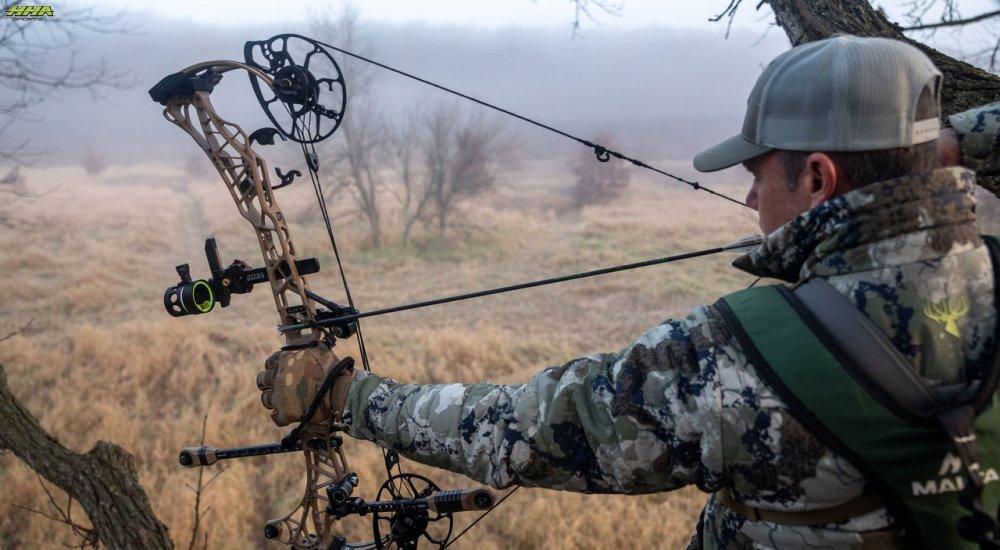
Choosing the right bow sight is essential for archers and bowhunters to make an accurate shot on target for a successful hunt. With so many options available, it can be difficult to know which bow sight is the best option for your shooting style and hunting environment. Our Experts outline the key factors you should consider when selecting a bow sight, from the type of sight to the features available, to help you find the perfect sight for your needs.
Parts of a Bow Sight
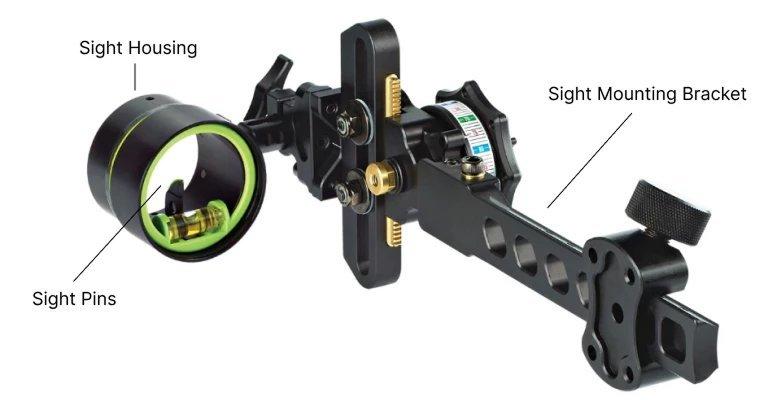
A bow sight is one of the most important components of an archery setup. These sights typically consist of three main parts: the sight housing, the sight pins, and the sight mounting bracket.
Sight Housing: This is the body of the sight, which typically includes a range of adjustment features and a sight aperture.
Sight Pins: These are the metal pins that are used to line up the shot. Depending on the type of sight, there may be one or multiple pins that are fixed or adjustable.
Sight Mounting Bracket: This is where the sight attaches to the bow. It is usually is made out of metal and can be adjusted to fit various bows.
Features of Bow Sights
Before deciding on the type of bow sight that will best suit your hunting environment, there are a few features to understand.
-
Adjustable Pins: Single or multiple pins can be adjusted up or down by hand to adjust for varying target distances. The pins themselves remain in place—it is the whole sighting apparatus that is adjusted. These pins are used to help aim at the target and provide a consistent reference point for the shooter to use in order to hit their target.
-
Fiber Optic or LED Reticles: This illuminating feature brightens up the pins used in aiming your shot, allowing you to focus better in low-light settings and improve accuracy.
-
UV-light Accessory: Fiber optic bow sights can be equipped with a UV-Light accessory, allowing for greater visibility in low-light conditions without relying on external light sources. This accessory increases the brightness of the sight, making it easier to aim accurately in dim lighting.
Different Types of Bow Sights
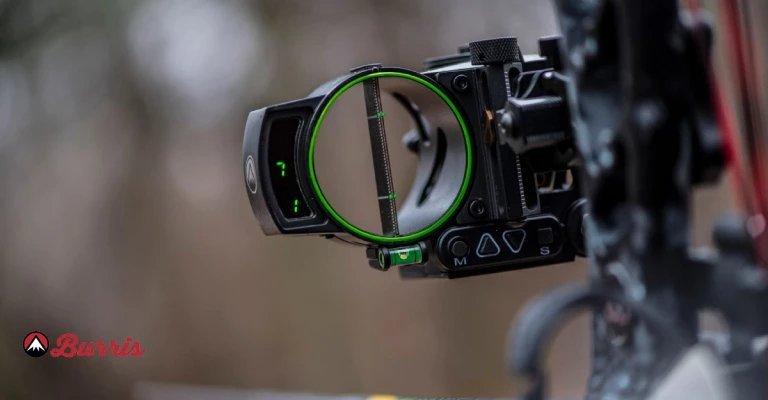
There are four main types of bow sights available: fixed-pin, moveable-pin sliders, single-pin sights, and electronic rangefinding sights. Each type offers its own unique benefits depending on the hunting environment and preferences.
-
Fixed-Pin: This type of bow sight has multiple fiber optic or metal pins that are set at fixed distances apart. These pins stay in place in order to mark different distances the archer can aim with depending on the distance to the target.
-
Moveable-Pin Slider: With a moveable-pin slider sight, there is a set of fixed pins that can be adjusted out to farther yardages meaning you can adjust the sight to align for longer shots depending on your target distance.
-
Single Pin Sight: A single pin sight can be adjusted out to farther yardages that is moveable by hand. A sight tape must be used in conjunction with this sight, which should have different yardages marked on it for easy reference.
-
Electronic Rangefinding Sight: This bow sight has an integrated rangefinder, which calculates the correct distance to the target, and also has an LED pin indicator to aim at your target when shooting.
Choose a Bow Sight That is Compatible With Your Bow
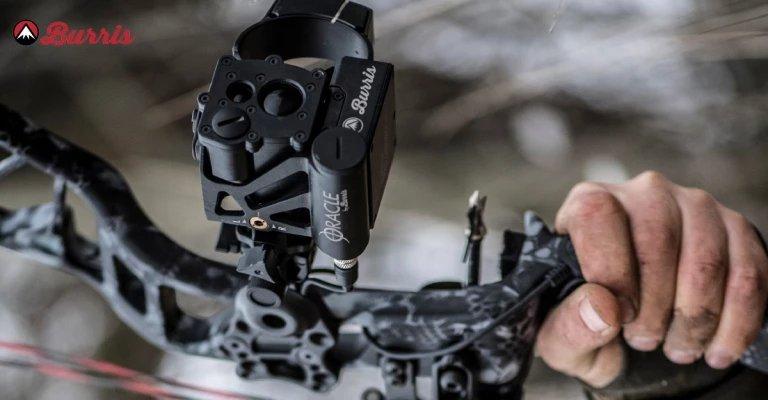
As a hunter, it's important to make sure that the bow sight you use is compatible with your bow. Different bows require different types of bow sights. For example, a recurve bow typically requires a fixed pin bow sight, while a compound bow may require an adjustable pin bow sight. Additionally, some bow sights are designed specifically for certain bow models, so it is important to check the manufacturer's specifications to ensure compatibility. Another consideration when choosing a bow sight is that some bow sights only come in left-hand or right-hand draw options, so it is important to know which hand you will be drawing the bow back with.
Selecting the right bow sight for your specifications as an archer can significantly impact your overall shot performance and hunting success. With a wide range of bow sights available, it's important to first understand your own particular needs and preferences before making a choice. If you have any more questions on bow sights, head to your local SCHEELS and speak to a Hunting Expert!