



How to Choose a Road Bike
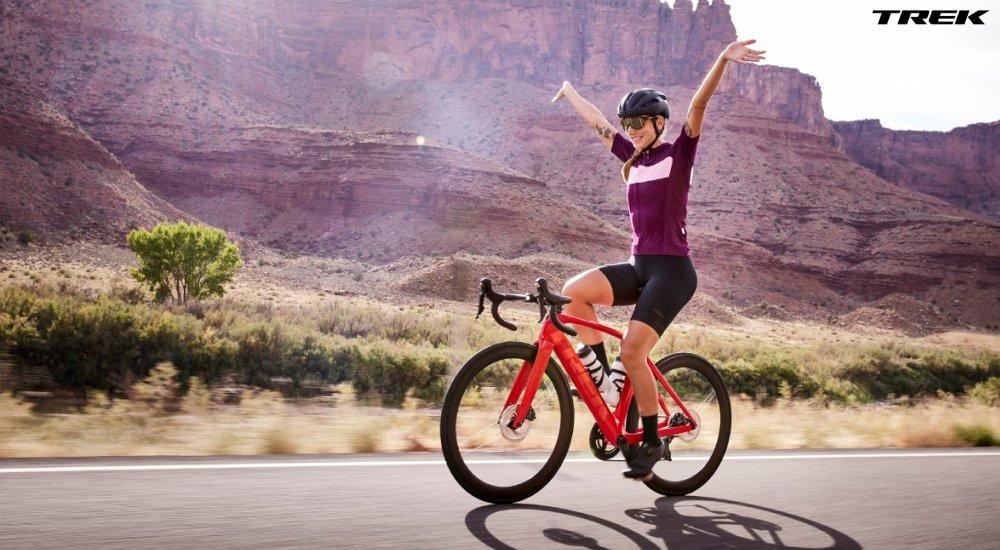
If you're looking for a way to stay active and explore the outdoors, cycling may be the hobby for you However, with so many different types of bikes and components, it can be challenging to know where to start. If you're interested in long-distance, fitness, or competitive riding, a road bike may be the best option for you. With this beginner’s guide, our Bike Experts highlight everything you need to know about choosing a road bike including the different types, understanding the components, and selecting the right size so you can find the best road bike to match your needs.
What is a Road Bike?
A road bike is a lightweight bicycle designed for speed and efficiency on pavement. It typically features:
-
Narrow tires to reduce resistance
-
Drop handlebars for multiple riding positions
-
Lightweight frame materials for easier climbing and acceleration
Road bikes are commonly used for:
-
Fitness riding
-
Long-distance cycling
-
Road racing and group rides
Types of Road Bikes
When choosing a road bike, you want to start by determining what type of riding you’ll primarily be doing. There are two main types of road bikes: endurance and race.
Endurance Road Bikes
Endurance road bikes are best for beginners or recreational riders who want:
-
A more upright, comfortable position
-
Stability over long distances
-
Smooth handling on rougher pavement
Race Road Bikes
Race road bikes are built for:
-
Aerodynamic positioning
-
Maximum speed and efficiency
-
Competitive riding or performance training
Key Features to Consider when Choosing a Road Bike
Road bike prices vary widely because of differences in frame materials, drivetrain components, braking systems, and wheel quality. These features directly impact how a bike feels, performs, and fits your riding goals. Understanding these key components will help you choose the right road bike for your needs and budget, so our Bike Experts break down the most important features to compare when shopping for a road bike.
Frame Geometry
Bike geometry refers to the shape and riding position of a road bike frame. It plays a major role in comfort, handling, and performance. There are two main types of road bike geometry:
-
Endurance Geometry: Designed for comfort and stability. Riders sit in a more upright position, which helps reduce strain on longer rides.
-
Race Geometry: Designed for speed and aerodynamics. This position is more aggressive and forward-leaning for maximum efficiency.
If comfort and long-distance riding are your priority, endurance geometry is typically the best choice. If speed and performance matter most, race geometry is ideal.
Bike Frame Material
Road bike frames are most commonly made from either carbon fiber or aluminum. The material affects weight, durability, ride feel, and price.
-
Carbon Fiber: Lightweight, stiff, and highly efficient. Carbon frames are typically more expensive and found on performance-focused bikes.
-
Aluminum: Durable, reliable, and more affordable. Aluminum frames are slightly heavier but a great option for beginners or recreational riders.
Drivetrain
The drivetrain includes the bike’s gears, crank, chain, and derailleur. Together, these components control how efficiently you pedal and shift while riding. Most road bikes use drivetrains from two leading brands: Shimano and SRAM. Within each brand, there are different tiers that influence performance.
-
Beginner/Fitness Riders: Entry-level systems like Shimano Claris or Sora are smooth, simple, and great for learning.
-
Intermediate Riders: Shimano 105 or SRAM Rival provide faster, more precise shifting for longer rides and regular training.
-
Advanced Riders: Shimano Dura-Ace or SRAM Force/Red are lightweight, highly responsive, and built for racing.
Brakes
Road bikes typically use either disc brakes or rim brakes, which determine how quickly and reliably the bike stops.
-
Disc brakes: Offer stronger, more consistent stopping power in all weather conditions. They’re now the most common option on road bikes and are ideal for most riders.
-
Rim brakes: Lighter and simpler, with braking power applied directly to the wheel rim. They’re usually found on entry-level or older road bikes.
Wheels
Bike wheels affect speed, weight, and overall ride feel. For most beginners, wheel choice is less important than fit and comfort, but it becomes more relevant as riding intensity increases.
-
Lighter Wheels: Accelerate faster and feel more responsive, making them ideal for climbing and performance riding.
-
Deeper-Profile Wheels: Improve aerodynamics and help maintain speed on flat roads.
Pedals
Most road bikes do not include pedals, allowing riders to choose a system that fits their riding style and experience level.
-
Clip-in Pedals: Secure your cycling shoes to the bike for maximum power transfer and efficiency. Best for regular riders and performance cycling.
-
Flat Pedals: Easy to use and beginner-friendly, allowing you to ride in regular shoes.
-
Cage Pedals: A middle-ground option that offers some foot retention without fully clipping in.
If you’re new to road cycling, flat or cage pedals are a good starting point. Clip-in pedals are best once you’re comfortable and want more efficiency.
What Size Road Bike Do I Need?
Once you narrow down which type of road bike fits your needs, you’ll want to make sure you get the correct size. Having a properly-sized bike influences the overall performance in terms of speed and distance.
Step #1: Start with Your Height
The easiest way to narrow down your frame size is stating with your height.
Step #2: Consider Your Inseam
Next, you’ll want to get your inseam measurement following these steps:
-
Take your shoes off and stand with your back against the wall
-
Place a ruler between your legs. This acts like a bike seat so make sure it stays level.
-
Using a measuring tape, measure from the floor to the top of the ruler.
-
This measurement is your inseam
Step #3: Consult the Bike Size Chart
Use the following bike size chart as a starting point. It’s important that each brand’s sizing can vary slightly so it’s best to double-check the manufacturer’s size chart.
| Rider's Height | Inseam | Frame Size |
|---|---|---|
| 5’1 to 5’4” | 29” - 30” | 49 |
| 5’4” to 5’6” | 30” - 31” | 52 |
| 5’6” to 5’9” | 31” - 32” | 54 |
| 5’9” to 5’11” | 32” - 33” | 56 |
| 5’11” to 6’1” | 33” - 34” | 58 |
| 6’1” to 6’3” | 34” - 35” | 61 |
If you’re between sizes, use this guideline to know when to size up or down:
-
Smaller size offers more control and agility
-
Larger size offers more stability and comfort
Frequently Asked Questions about Road Bikes
When helping customers find the right road bike, our Experts answer a lot of different questions. Here are a few of the most commonly asked questions and their recommendations.
By understanding the types of road bikes and the features to consider, you’ll be able to narrow down your options. If you have any questions about choosing a bike, stop into your local SCHEELS to speak with a Bike Expert.