



Neutral vs. Stability Running Shoes Explained

Whether you’re new to running or have logged countless miles, choosing the right running shoe support can make a difference in comfort, performance, and injury prevention. There are two main types of support, neutral and stability. To help you narrow down which type you need, our Footwear Experts explain the key differences and how to decide which is best for you.
What Is a Neutral Running Shoe?
A neutral running shoe is designed for runners who have a natural stride and do not need additional support to control foot motion. These shoes work with your natural biomechanics rather than trying to correct them.
Key Features of Neutral Shoes:
-
Typically lighter than stability shoes
-
Flexible and cushioned without stability posts
What Is a Stability Running Shoe?
A stability running shoe is designed to help control excess inward rolling of the foot, known as overpronation. These shoes include added support features in the midsole that help guide your foot into a more neutral position during each step.
Key features of stability running shoes:
-
Added midsole support for motion control
-
More structure compared to neutral shoes
-
Often slightly heavier due to support technology
Neutral vs. Stability Shoes Comparison
Our Footwear Experts summarize the key differences between neutral and stability shoes below.
| Feature | Neutral Running Shoes | Stability Running Shoes |
|---|---|---|
| Best for | Neutral gait, high arches | Overpronation, flat feet |
| Support | Minimal support | Added stability/motion control |
| Cushioning | Balanced cushioning | Structured cushioning + guidance |
| Weight | Typically lighter | Typically heavier |
| Goal | Maintain natural stride | Correct foot alignment |
What Is Pronation in Running?
Pronation is the natural movement of your foot as it lands and rolls forward with each step.
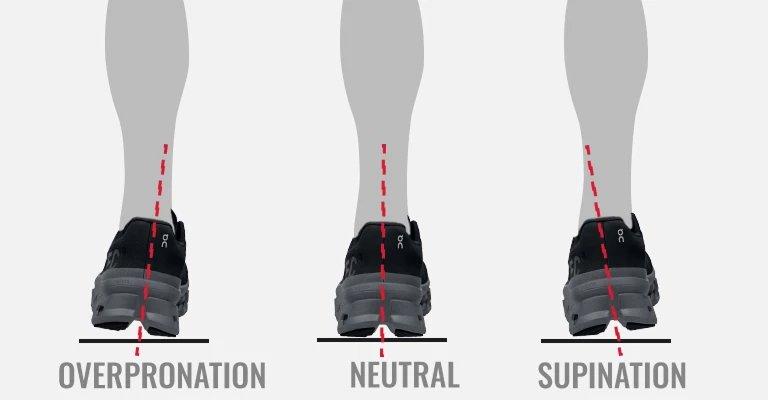
There are three main types:
-
Overpronation: Foot rolls too far inward
-
Neutral Pronation: Foot lands evenly and rolls slightly inward
-
Underpronation (Supination): Foot rolls outward
Understanding your pronation type is the key to choosing between neutral and stability running shoes.
How Do I Know If I Need Neutral or Stability Shoes?
You can often determine your support needs by looking at your feet, shoes, and running pattern.
You likely need neutral running shoes if:
-
You have high or normal arches
-
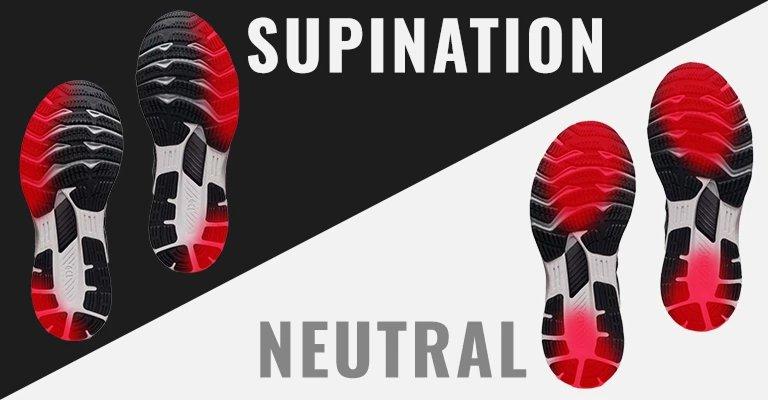
Your shoes wear evenly across or the outer edges of the outsole
-
Your feet land straight and balanced
-
You do not experience ankle collapse inward
Our Footwear Experts’ Best Neutral Running Shoe Picks
You likely need stability running shoes if:
-
You have low or flat arches
-
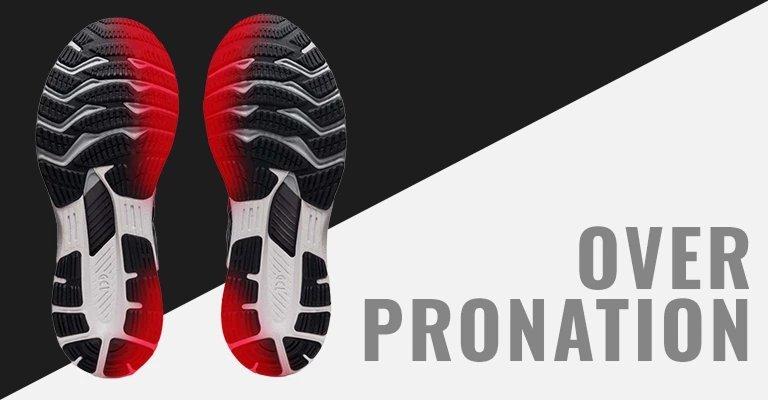
Your ankles roll inward when running
-
The inside edge of your shoe wears out faster
-
You need extra support for alignment
Our Footwear Experts' Best Stability Running Shoe Picks
Frequently Asked Questions about Running Shoe Support
Choosing between neutral and stability running shoes depends on your unique stride, arch type, and comfort needs. If you’re unsure which is right for you, our Footwear Experts can help analyze your gait and recommend the best option for your running style. Stop into your local SCHEELS to get fitted by an Expert and find the right running shoe for your needs.