



A Guide to Choosing the Best Binocular Harness
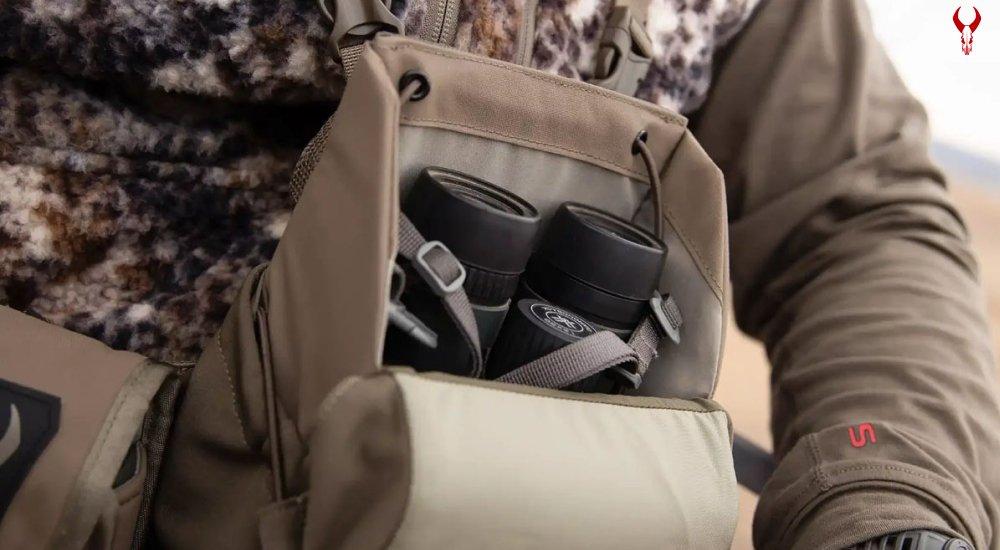
A binocular harness is more than just a carrying case—it’s a piece of equipment designed to make your time in the field more comfortable and efficient. While a simple neck strap works for short distances, a dedicated harness secures your optics against your chest, keeping them protected from the elements and easy to reach with one hand. In this guide, our Optics Experts will break down how to choose the right features and get the perfect fit for your setup.
Benefits & Considerations of a Binocular Harness
Moving from a neck strap to a harness is a total game-changer for your posture (and your sanity) out in the field. Our Experts share the benefits and considerations when making the switch:
Why Switch to a Binocular Harness?
-
Superior Weight Distribution: X-harness or H-harness design spreads the load across your shoulders and back to eliminate neck fatigue.
-
All-Weather Protection: The material and design of harnesses shield your optics from abrasive dust, scratching branches, and sudden downpours.
-
One-Handed Accessibility: Allowing you to deploy your optics quickly and silently without losing eyes on your target.
-
Enhanced Organization: Modern designs serve as a streamlined hub for your essential gear.
-
Secured: Keep all your essential gear close to your chest and easy to find.
H-Harness
An H-harness binocular harness features two parallel shoulder straps connected by a horizontal center strap, forming an 'H' shape that evenly distributes weight across your back to prevent neck strain during long days in the field.
X-Harness
An X-harness binocular harness uses two straps that cross over the center of your back to form an 'X,' pulling the weight toward your core to keep your optics secure and bounce-free while you move.
Considerations & Trade-offs
-
Added Bulk: A chest pack is naturally larger than a strap, which can trap more body heat during high-intensity stalks.
-
Bow Clearance: Some hunters find that a bulky pack slightly alters their bow draw; however, modern streamlined designs have largely mitigated this issue.
The benefits of a harness clearly outweigh the minor learning curve—provided you pick the right one. To ensure your gear remains an asset rather than a hindrance, keep an eye out for these essential design elements during your search.
Key Features to Look For in a Binocular Harness
When you begin shopping for a binocular harness, you will quickly notice a wide variety of features. Understanding which components matter most for your style of hunting will help you narrow down the options.
1. Comfort and Strap Design
The strap system is the foundation of the harness. A quality setup ensures the pack moves with you, not against you.
-
Four-Point Attachment: Models that use a 4-point system to eliminate "pouch bounce" during strenuous movement.
-
Breathable Materials: Mesh or low-profile fabrics help prevent overheating and ensure the harness doesn't interfere with your heavy pack straps.
-
Snug Fit: Wide, padded straps help distribute weight so the harness stays secure whether you are crawling or climbing.
2. Pouch Enclosure and Protection
Your choice here determines how well your glass handles the elements. There are two main styles of enclosures, fully and semi-open, each offering its own benefits.
-
Fully Enclosed: Features a lid that overlaps the sides to seal out dust, debris, and rain. These often include built-in rain covers.
-
Semi-Open: Prioritizes speed and weight. These offer top coverage but leave the sides slightly exposed for faster access.
-
Interior Lining: Look for fleece-lined pockets—they protect the lenses and ensure silent operation when sliding optics in and out.
3. Silent Closure Systems
In the field, silence is mandatory. Your closure system dictates how stealthily you can access your optics.
-
Magnetic Closures: Snap shut securely without the noise of buckles or other latching materials.
-
Bungee or Friction-Fit: Great alternatives that offer a secure hold without the use of mechanical fasteners.
Expert Tip | If you rely heavily on a traditional compass or certain digital navigation tools, be aware that strong magnetic closures can occasionally interfere with readings.
4. Modularity and Storage
A harness does more than just hold your binoculars. It offers additional features to easily attach or store other essentials.
-
Webbing: Allows you to attach modular accessories like a rangefinder pouch, bear spray, or a radio.
-
Integrated Pockets: Look for stretch mesh or side compartments to store small essentials like wind checkers, lens pens, and your hunting license.
How to Size & Fit Your Harness
Choosing the right size is a balancing act: too large and your optics rattle; too small and they’ll snag during the draw.
Step 1: Finding the Perfect Size
While most binoculars are categorized by magnification and lens size (such as 10x42), the actual physical size and weight are what you want to look into:
-
Measure Your Optics: With eyecups fully extended, measure the height, width, and depth in inches.
-
Check the Specs: Compare your numbers to the manufacturer’s internal pouch dimensions rather than just the "suggested fit" list.
Step 2: Fitting to Your Body
A well-fitted harness should move with you, not against you. Here's how our Experts recommend fitting your binocular harness.
-
Start Loose: Loosen all shoulder and torso straps before putting it on.
-
Position High: Place the pouch high on your chest, just below the collarbone. This keeps it clear of your waist belt and bowstring.
-
Torso First: Tighten the side straps first to pull the pouch snug against your chest.
-
Shoulders Last: Adjust the upper straps until the back panel sits flat between your shoulder blades.
-
The Test: Practice drawing your binoculars. Ensure the tether straps are long enough to reach your eyes comfortably without tension.
Expert Tip | If you hunt in layers, fit the harness while wearing your mid-layer or jacket to ensure you have enough strap slack for cold-weather hunts.
Investing in a high-quality binocular harness is about more than just carrying gear—it’s about protecting your optics and staying focused on the hunt. By choosing a system that balances protection, silence, and comfort, you eliminate the distractions that lead to missed opportunities. If you have any further questions about binocular harnesses, reach out to your local SCHEELS Experts to learn more.