


How to Choose a Backpacking Tent: Key Features to Consider
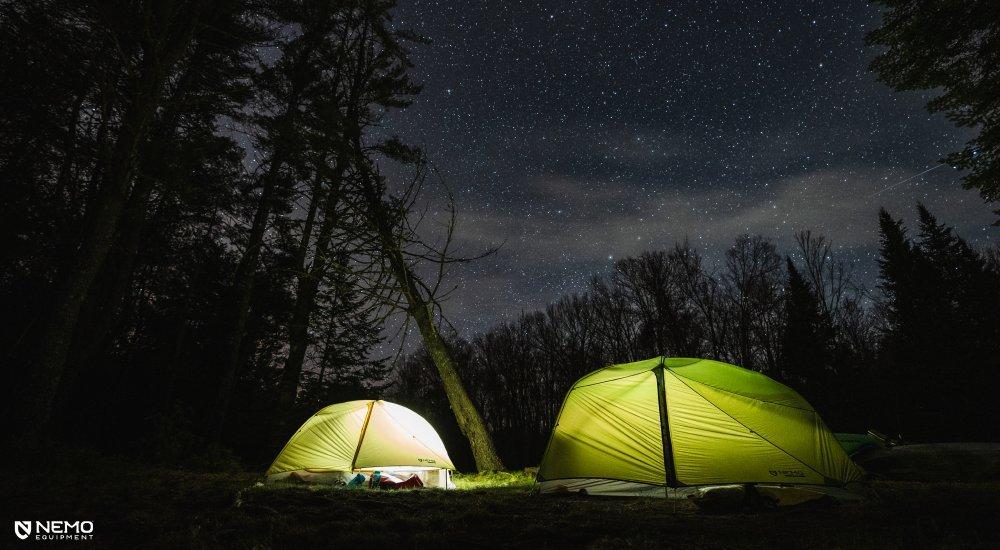
Whether you’re planning your first overnight hike or gearing up for a multi-day backcountry trip, choosing the right backpacking tent can make all the difference. The best backpacking tents balance weight, weather protection, durability, and livable space so you can stay comfortable on the trail without carrying more than you need.
With so many options available, it helps to understand the basics before making your decision. Our Experts break down the key features to look for when choosing the best tent for your backcountry adventures.
In this guide, we’ll cover:
Start with Tent Season Ratings
One of the most important factors to understand when shopping for a backpacking tent is the season rating. A tent’s season rating tells you what kinds of weather conditions it’s designed to handle.
3-Season Backpacking Tents
For most backpackers, a 3-season tent is the go-to choice. These tents are designed for spring, summer, and fall camping conditions. They prioritize lightweight construction, ventilation, and packability while still providing reliable protection from rain and moderate wind.
Most 3-season backpacking tents feature:
-
Lightweight materials
-
Mesh panels for airflow and bug protection
-
Rain flies for wet weather coverage
-
Compact packed sizes for easier carrying
A quality 3-season tent is versatile enough for the majority of backpacking trips.
4-Season Backpacking Tents
If you plan to camp in colder weather or unpredictable mountain conditions, a 4-season tent may be worth considering.
Compared to 3-season models, 4-season tents are built with:
-
Stronger pole structures
-
More durable fabrics
-
Better warmth retention
-
Increased resistance to wind and snow
These tents are popular among late-season hunters, mountaineers, and backpackers who camp in shoulder-season conditions.
5-Season or Expedition Tents
Designed for extreme environments, 5-season tents are built to handle severe winter weather, heavy snow loads, and high winds above the tree line.
While 5-season tents offer maximum protection, they also tend to be:
-
Heavier
-
Bulkier
-
Less ventilated
-
More specialized
For the average backpacker, a 5-season tent is usually more shelter than necessary.
Pay Attention to Tent Weight
Unlike car camping, every ounce matters when you’re carrying your gear for miles. When comparing backpacking tents, pay close attention to:
-
Packed weight: Everything out of the box, including tent body, poles, rainfly, stakes, guy lines, and storage bags
-
Trail weight: What you bring with on the trail, sometimes excluding extra stakes, guy lines, and storage bags
-
Packed size: Dimensions and how it fits in your pack
Lighter tents are easier to carry but may sacrifice interior space or durability. Ultralight backpackers often prioritize minimal weight, while others may prefer a little extra comfort and weather protection.
A good rule of thumb:
-
Ultralight solo backpackers often choose 1-person tents for weight savings
-
For additional comfort and gear storage, many backpackers size up to a tent that can accommodate one person more than in their party
Related Expert Content | Backpacking Checklist: What Gear to Pack
Understand Tent Capacity & Interior Space
Tent capacity ratings give you a general idea of how many people can sleep inside, but there’s no universal sizing standard across brands. That’s why it’s important to also check:
-
Floor dimensions
-
Peak height
-
Vestibule space
If you prefer extra elbow room or need space for gear inside the tent, consider sizing up.
Peak Height
Peak height affects how open or cramped a tent feels. Higher peak heights allow:
-
Easier movement
-
More comfortable changing
-
Better overall livability
Lower-profile tents typically save weight and improve wind performance but can feel tighter inside.
Vestibules
Vestibules are covered storage areas located outside the tent body but underneath the rain fly. They’re ideal for storing:
-
Muddy boots
-
Backpacks
-
Wet gear
-
Cooking equipment during poor weather
For backpackers trying to maximize interior sleeping space, vestibules are a major advantage.
Dome Tents vs. Other Frame Styles
Most backpacking tents use dome-style construction because it offers an excellent balance of:
-
Strength
-
Stability
-
Weight savings
-
Wind resistance
Dome Tents
Dome tents shed wind efficiently and hold up well in changing weather conditions, making them ideal for backcountry use.
Ultralight Tents
Some backpacking tents also use semi-freestanding or trekking-pole-supported designs to reduce overall pack weight.
Rain Flies & Weather Protection
A rain fly is the waterproof outer layer that covers your tent body. There are two common rain fly styles:
Roof-Only Rain Flies
These provide lighter coverage and increased airflow while still offering basic rain protection.
Full-Coverage Rain Flies
These extend farther down the tent for maximum protection against:
-
Rain
-
Wind
-
Cold weather
Full-coverage rain flies also create vestibules, which are one of the most useful features on a backpacking tent.
Tent Poles: Aluminum vs. Fiberglass
Backpacking tents typically use aluminum poles because they’re lightweight and durable.
Aluminum Tent Poles
Benefits include:
-
Lower weight
-
Better durability
-
Easier packing
-
Improved performance in harsh conditions
Fiberglass Tent Poles
Fiberglass poles are generally:
-
Less expensive
-
Heavier
-
More prone to breaking under stress
While fiberglass poles are common in budget-friendly camping tents, aluminum is usually preferred for backpacking because every ounce counts on the trail.
Benefits of a Tent Footprint
A tent footprint is a protective ground sheet placed underneath your tent. Footprints help:
-
Reduce wear and tear
-
Protect against moisture
-
Extend the life of your tent floor
Backpacking tent floors are often made with lightweight materials to save weight, making a footprint a worthwhile investment for long-term durability.
Questions to Ask Before Buying a Backpacking Tent
Before choosing a backpacking tent, think about:
-
What season will you use it most?
-
How important is weight savings?
-
How many people need to fit inside?
-
Will you backpack in wet or windy conditions?
-
How much gear storage do you need?
Determining your priorities will help you narrow down your options.
The best backpacking tent is one that fits your style of adventure, keeps you protected from the elements, and helps you stay comfortable on the trail. Whether you’re looking for an ultralight solo shelter or a durable tent built for unpredictable weather, understanding the fundamentals makes it easier to choose with confidence. For further guidance or questions, visit your local SCHEELS to speak with a Camping Expert.