


A Complete Guide to How to Choose a Gravel Bike
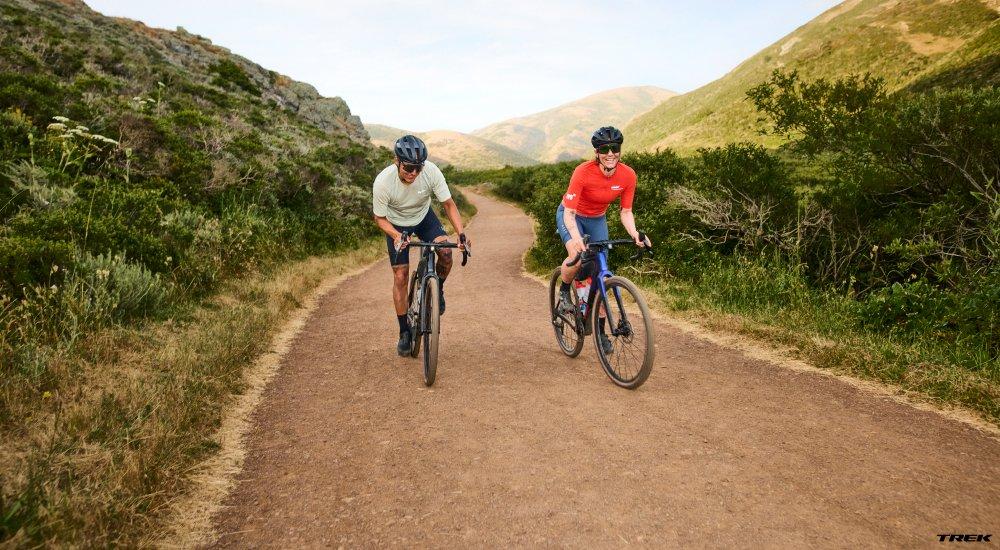
If you're looking for a little more adventure beyond the pavement, going to gravel can be a natural progression for many riders. Designed for versatility, gravel bikes let you ride everything from smooth roads to crushed gravel and dirt without missing a beat. With so many options available, choosing the right gravel bike comes down to understanding how you plan to ride whether you're exploring backroads, commuting, or planning longer weekend rides. From frame materials and tire clearance to sizing and more, our Bike Experts break down what to look for so you can find the right match for your ride.
What our Experts Cover:
What is a Gravel Bike?
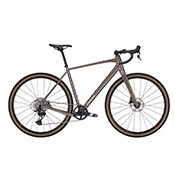
A gravel bike is designed to handle a mix of surfaces, combining the speed of a road bike with the durability and stability of a mountain bike. Most gravel bikes feature wider tires for added traction, a more relaxed geometry for comfort on longer rides, and gearing built to handle varied terrain.
Gravel bikes are also highly versatile. Many include mounts for racks, bags, and extra water bottles, making them a great option for commuting, bikepacking, or extended rides.
Key Features to Consider When Choosing a Gravel Bike
There are a few key features that impact how a gravel bike performs and feels across different terrain. When choosing a gravel bike, our Bike Experts recommend focusing on these details to help you narrow down the best fit for your riding style.
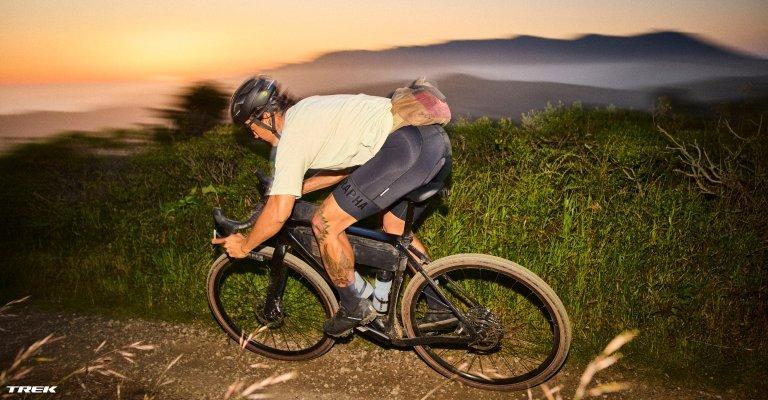
Frame Material
Gravel bike frames are typically made from aluminum, carbon, or steel. Each has its own benefits and considerations.
-
Aluminum frames are lightweight, durable, and more affordable, making them a great choice for new riders.
-
Carbon frames reduce weight and absorb vibration for a smoother ride, especially on longer distances.
-
Steel frames provide a more forgiving feel and added durability, which is ideal if you regularly ride on rough terrain.
Tire Width & Clearance
Tire clearance plays a big role in how your gravel bike handles. Wider tires, typically between 35mm and 50mm, provide better traction and stability on loose or uneven surfaces. If you plan to ride rough gravel or dirt trails, look for a bike that can accommodate wider tires.
Frequently Asked Questions about Gravel Bike Tires
Gearing
Because gravel riding includes climbs, descents, and constantly changing terrain, gearing plays an important role in performance. Most gravel bikes use a 1x drivetrain, which is simple, durable, and easy to maintain. Other models feature a 2x drivetrain, which provides a wider range of gears and more precise shifting.
A 2x setup may be a better option if you frequently ride steep climbs, carry gear, or cover longer distances where maintaining a consistent cadence matters.
Geometry
Compared to road bikes, gravel bikes are built with a more relaxed geometry. This creates a more upright riding position for added comfort, stability, and control, especially on uneven or loose surfaces.
Brakes
Disc brakes are mostly used on gravel bikes because they provide consistent stopping power no matter the conditions, including mud, rain, and loose gravel. There are two main types of disc brakes—hydraulic and mechanical.
-
Hydraulic disc brakes are stronger, more responsive
-
Mechanical disc brakes are easier to maintain and adjust
Mounts & Storage
Most gravel bikes include mounts for racks, fenders, and water bottles. Depending on how you plan to use your bike, make sure it has enough attachment points to meet the needs of your commute or long rides.
Types of Gravel Bikes
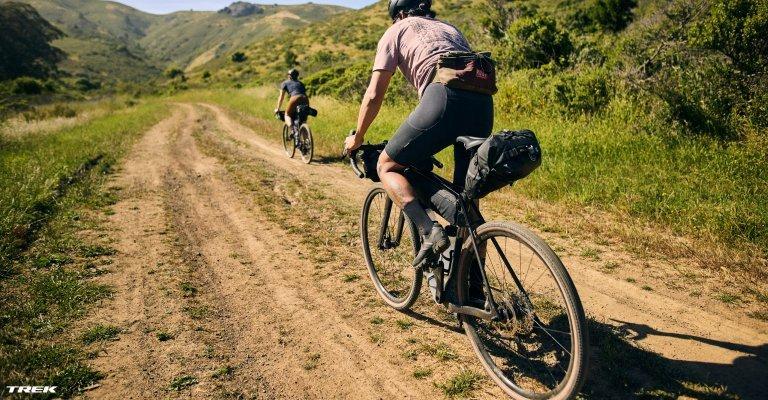
Not all gravel bikes are built the same. Depending on your riding goals, certain styles may suit you better than others.
-
All-Around Gravel Bikes: These are the most versatile option, balancing speed, comfort, and durability. They’re a great choice if you plan to ride a mix of pavement, gravel roads, and light trails. These typically accept tires between 35 and 38mm wide.
-
Adventure & Bikepacking Gravel Bikes: Built for long-distance rides and carrying gear, these bikes feature stable geometry, wider tire clearance, and extra mounting points. They’re ideal for multi-day trips or riders who prioritize comfort over speed. These typically accept tires between 38 and 50mm wide.
What Size Gravel Bike Do I Need?
A properly sized bike will feel more comfortable, handle better on mixed terrain, and reduce fatigue on longer rides. Most gravel bikes are sized using standard road bike sizing (often in centimeters or small/medium/large).
Step #1: Start with Your Height
Your height is the easiest starting point for finding the right frame size. This is only a starting point—inseam length and riding style can adjust sizing slightly.
Step #2: Consider Your Inseam
-
Take your shoes off and stand with your back against the wall
-
Place a ruler between your legs. This acts like a bike seat so make sure it stays level.
-
Using a measuring tape, measure from the floor to the top of the ruler.
-
This measurement is your inseam
Step #3: Consult the Bike Size Chart
Sizing can vary slightly by brand, so it’s always best to check the manufacturer’s size chart. Below is a generic bike sizing chart to use as a starting point.
Rider Height | Inseam | Bike Size | Frame Size (approx.) |
|---|---|---|---|
4'10" - 5'1" | 27" - 29" | XS | 48–50 cm |
5'1" - 5'5" | 28" - 31" | S | 52–54 cm |
5'5" - 5'9" | 30" - 33" | M | 54–56 cm |
5'9" - 6'1" | 32" - 35" | L | 56–58 cm |
6'1" - 6'6" | 34" - 37" | XL | 58–61 cm |
Frequently Asked Questions about Gravel Bikes
Choosing the right gravel bike comes down to how and where you plan to ride. From frame material and tire width to gearing and fit, each feature plays a role in how comfortable, efficient, and confident your ride will feel across different terrain. If you have additional questions about choosing a bike, stop into your local SCHEELS to speak with an Expert.