



A Guide to Choosing a Camping Tent
?fmt=auto)
Imagine being awoken by sunlight, birds chirping, and a light breeze. Choosing the right camping tent is the first step to ensuring you have a positive, relaxing experience in the great outdoors. Tents come in a variety of sizes, styles, and features that can vary greatly from one tent to another. Our Camping Experts have compiled a list of considerations that will help you choose a camping tent and prepare you for any adventure.
Types of Tents
The type of camping you plan to do dictates the style of tent you need. We’ll cover the primary types and their differences, but for the purposes of this guide, we’ll focus on tents designed for car camping.
Car Camping Tents
This traditional style involves driving to a designated campsite to set up your gear. Because you are not carrying the tent on your back, you don't need to worry about weight and can easily invest in a much more spacious tent.
Rooftop Vehicle Tents
A growing trend in car camping is the rooftop tent, which attaches directly to your vehicle's roof rack. These sturdy shelters offer incredibly fast setup times, plush mattresses, and superior protection from heavy rain and wind. Keep in mind that they are heavier, more expensive, and require you to check your vehicle's roof rack weight limits before purchasing.
Backpacking Tents
Backpacking involves hiking over multiple days, meaning your gear must be compact when packed and is often engineered to be "ultralight". Backpacking tents utilize very thin wall materials and lightweight poles that are often stronger than heavier car camping options. While these specialized materials and compact designs result in a higher price point, serious hikers find the lightweight characteristics well worth the investment.
Related Expert Content | Backpacking Checklist: What Gear to Pack
Choosing the Right Shape & Structure
Before diving into specific features, consider the overall build of your tent:
-
Cabin-Style vs. Dome-Style: Cabin-style tents feature near-vertical walls that maximize your livable space and peak ceiling height. Dome-style tents are tallest in the center but have sloped walls; however, they offer superior strength and wind-shedding abilities for stormy nights.
-
Freestanding vs. Staked: The majority of family camping tents are freestanding, meaning they don't require guylines to hold their structure. This makes them easy to pitch and reposition on rocky ground. Non-freestanding tents must be staked down at multiple points to stay upright.
Key Camping Tent Features to Consider
When you’re choosing a tent, there are some details that are easy to overlook. Our Experts share the features that make the biggest difference in creating your ideal experience.
Camping Tent Size & Capacity
A great rule of thumb is to plan for one less person than the tent's recommended capacity (e.g., a 4-person tent will comfortably sleep three people), giving you extra interior room for bags, coolers, and pets. You should also size up your tent if you plan to use a bulky cot, or look for a tent with a floor length of at least 90 inches if you are over 6 feet tall.
Seasonality
-
Three-season tents: The most common option, built with mesh panels for superior ventilation during spring, summer, and early fall camping.
-
Extended-season (3–4 season) tents: Built with extra poles and less mesh to handle stronger winds and light snow in early spring or late fall.
-
Four-season tents: Engineered with heavy fabrics and a rounded dome shape to withstand fierce winds and heavy snow loads.
Tent Poles & Setup
Fewer poles allow for a much faster setup. Tents that attach poles via clips are quicker to assemble than those requiring you to thread poles through long fabric sleeves, though many tents use a combination of both to balance strength and ventilation. For materials, aluminum poles are lighter, stronger, and more durable, while fiberglass poles are thicker, heavier, but fairly easy to replace if broken.
Tent Doors
Having two doors prevents you from having to maneuver over your family during late-night bathroom trips. If you camp in heavily bug-populated areas, consider D-shaped doors, which let you unzip just the bottom to slip your boots on without letting insects inside.
Rain Fly & Vestibules
A quality rain fly sits over the tent to keep moisture out. You can choose between a roof-only rain fly (which allows for more light and airflow) or a full-coverage rain fly (which extends to the ground for maximum storm protection). A vestibule acts as a covered exterior extension, giving you a protected spot to store muddy shoes, bikes, and coolers without sacrificing your interior sleeping space.
Must-Have Tent Accessories
To elevate your campsite experience, pack a few essential accessories:
-
Tent Footprint: A custom-fitted groundcloth that protects your tent's floor from rocks and roots. Make sure it precisely matches your tent's dimensions so it doesn't accidentally funnel rainwater underneath the floor.
-
Additional Tent Poles & Stakes: Most tents come with basic tent stakes; however, depending on the style of tent you purchase, you may want to add more-durable stakes for added structure and security.
-
Tent Repair Kit: Holes may develop for a variety of reasons so it is always better to be over-prepared rather than under-prepared which is why we recommend having a tent repair kit on hand.
-
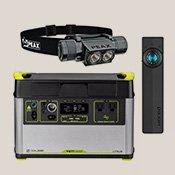
Personal Comforts: A battery-powered fan is perfect for hot, humid nights. Portable power stations can keep devices charged, while LED string lights or hanging lanterns can create a warm, inviting atmosphere.
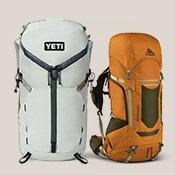
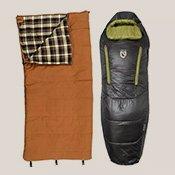
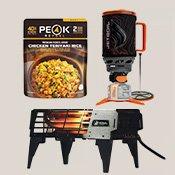
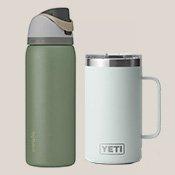
With the right tent and accessories, car camping with your friends and family can be a great way to create long-lasting memories. Whether you’re heading to a campsite or pitching a tent in your own backyard, we carru a wide variety of tents to choose from. For further guidance finding the right tent or completing your setup stop by your nearest SCHEELS to chat with one of our Camping Experts!