



What Are Tempo Running Shoes? Choosing the Right Pair for Speed Training
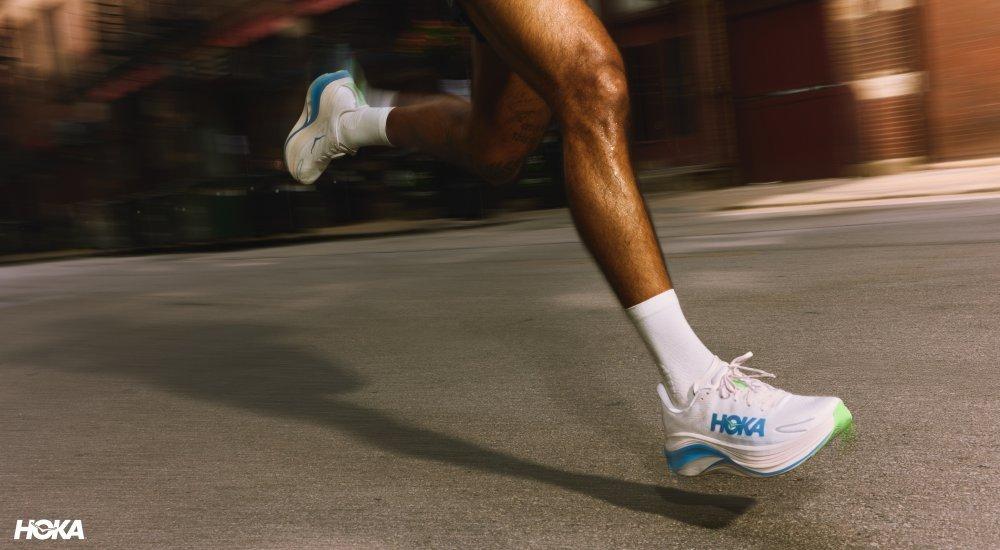
Tempo runs sit in the hard yet sustainable zone, where your breathing picks up, your stride feels strong, and you unlock new speed. For runners aiming to up the pace, this workout is key, but maximizing your tempo run requires the right gear. While daily trainers are built for comfort and race shoes save all their speed for race morning, tempo running shoes fill the gap. Our Footwear Experts break down what sets tempo shoes apart, what features to look for, and how to find your perfect fit.
What We’ll Cover:
What is a Tempo Run?
A tempo run is run just below or right at your lactate threshold pace, which is the effort where your body produces and clears lactate at the same rate. Go slower, and you clear it with ease. Go faster, and you quickly grow fatigued. Training at this threshold builds efficiency and targets different muscle groups than your slower endurance runs, helping you sustain faster paces longer.
In simpler terms, your tempo pace should feel challenging, but still comfortable. You should be able to sustain it for somewhere between 20 and 40 minutes without stopping or slowing down.
Why a Dedicated Tempo Shoe is Important
Tempo runs involve sustained, challenging efforts. Compared to easy runs, you land with greater force, push off more powerfully, and increase your turnover. A shoe that supports this effort is crucial.
Your heavy, soft daily trainers can feel sluggish and unresponsive, while lightweight race shoes offer speed but often lack durability and stability. Tempo shoes, on the other hand, offer lightweight support, responsiveness, and protection—built to handle speed days while standing up to regular training.
What Sets a Tempo Shoe Apart?
If you compare a daily trainer and a tempo shoe side by side, you’ll notice a few key differences. Tempo shoes are designed for faster training, combining lightweight construction with responsive cushioning to help you sustain quicker paces more efficiently.
Key performance features include:
-
Lighter build: Streamlined uppers and lightweight midsoles reduce overall bulk, making it easier to maintain a fast turnover.
-
Responsive ride: Tempo shoes prioritize energy return, with midsoles that compress and rebound quickly to propel you forward.
-
Efficient cushioning: Impact protection is tuned for speed, with enough comfort for longer efforts without the softness that can slow you down.
Comparison Chart: Tempo Running Shoes vs. Other Running Shoes
The following chart offers a quick overview of how tempo shoes differ from your daily trainers and other running shoes:
| Feature | Daily Trainer | Tempo Shoe | Super Trainer | Race Day Shoe |
|---|---|---|---|---|
| Primary Goal | Recovery & Miles | Speed Work | Versatile Speed | Peak Performance |
| Weight | Heaviest | Lighter | Moderate | Lightest |
| Cushioning | Soft / Plush | Firm / Snappy | Max / Energetic | Ultra-Light / Propulsive |
| Plate Tech | Rarely | Optional | Often (Nylon/Carbon) | Almost Always (Carbon) |
| Durability | 300–500 miles | 300–500 miles | 300–400 miles | ~150–250 miles |
| Outsole | Thick Rubber | Strategic Rubber | Moderate Rubber | Minimal / Exposed Foam |
Key Features to Look For in a Tempo Shoe
When choosing a pair of shoes for your tempo runs, look for the following features for better performance and comfort:
Advanced Midsole Foams
-
Nitrogen-infused foams: Lightweight and springy with consistent performance across temperatures.
-
PEBA foams: High energy return with easy compression and quick rebound to reduce fatigue.
Propulsion Plates & Rods
-
Carbon fiber plates: Provide maximum snap and an aggressive toe-off.
-
Nylon or TPU plates: More flexible and forgiving for smoother transitions.
-
Energy rods: Add stiffness for speed while allowing natural foot movement.
Upper Construction & Fit
-
Performance fit: Snug, breathable mesh to manage heat.
-
Locked-in feel: Gusseted tongues and secure heel counters prevent slippage at speed.
How to Choose Tempo Running Shoes for Your Rotation
Each runner’s needs are unique. Here’s a quick, strategic approach to best incorporating tempo shoes into your training cycle:
1. Assess Your Current Rotation
-
Max-cushion trainers: If your daily training shoes feature plush cushioning, choose a super trainer or tempo shoe with plenty of cushion and a rocker or plate to maintain familiarity but add speed.
-
Standard trainers: You can select either a nimble non-plated option or try a plated tempo shoe for a performance boost.
2. Match the Shoe to Your Main Workout
-
Long threshold runs: Prioritize cushioning and propulsion; super trainers or plated shoes excel.
-
Fast intervals/track work: A lower stack, flexible shoe provides ground feel and agility.
3. Consider the Midsole Drop
-
High drop (8–12mm): Great for heel strikers or tight calves, helps roll you forward.
-
Low drop (0–6mm): Encourages a more natural, quick stride—be mindful of increased calf or Achilles loading.
Note: It’s important to transition gradually between different heel-to-toe drops to reduce injury risk. If your daily trainer has a higher drop, choosing a tempo shoe with a similar drop—or easing into a lower drop over time—can help minimize added stress on the calves and Achilles.
Related Expert Content | What is Midsole Drop?
4. Evaluate the Fit
-
Toe box: Look for a close, but not cramped fit
-
Midfoot: A secure “locked in” feel helps prevent foot movement at speed.
-
Overall feel: Firm enough to feel fast, responsive enough to stay comfortable through sustained efforts.
Integrating Tempo Shoes into Your Training Plan
It’s best to be intentional about which workouts you wear your tempo shoes for, as overusing them can shorten their life and disrupt your recovery. As a general rule, wear them for faster workouts and not for daily miles.
Related Expert Content | Running Shoe Rotation—Why it’s Important
When to Lace Them Up
-
Tempo/threshold workouts
-
Interval sessions at 5K or 10K pace
-
Progressive long runs with fast finishes
When to Choose Other Shoes
-
Recovery runs—stick with softer, more cushioned trainers for full recovery
-
Easy base miles—save your tempo shoes’ responsiveness for speed days
Your tempo shoe is an essential tool for building speed, comfort, and confidence. Not sure where to start? Visit your local SCHEELS to speak with a Footwear Expert—we’ll guide you through finding the perfect fit for you and your training goals.