



How to Build an Avalanche Kit
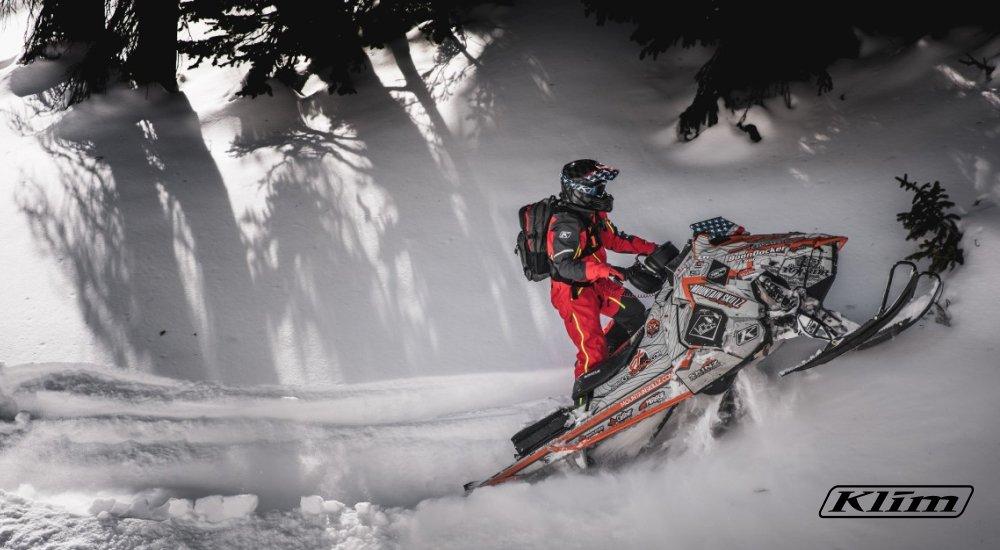
Whether you’re skiing, snowboarding, snowmobiling, or snowshoeing, exploring the backcountry is a fun way to enjoy the outdoors and spend time with others. Yet, with a risk of avalanches, you need to be sure to keep safety as your top priority and that includes investing in the proper avalanche gear. Our Winter Sports Experts cover the basic gear you need to include in your avalanche kit.
Please Note: It’s always important to attend classes and complete all the proper training to learn about avalanche safety. Remember that staying safe on the mountain is your responsibility.
1. Avalanche Airbag Pack
When building your avalanche kit, you’ll want to start with finding a high-quality avalanche airbag pack. An avalanche airbag pack offers two functions when exploring—holding your gear and helping to prevent you from being buried in the snow. Featuring a pillow that inflates upon pulling a cord, this type of pack helps you “float” towards the top of an avalanche in order to narrow down rescue time. There are two types of avalanche airbag packs to choose between:
Canister Airbag Packs
This type of avalanche airbag inflates using a CO2 canister that’s installed into the bag.
Highlights:
-
More affordable
-
Reliable and powerful inflation
-
Single-use before having to refill
-
Can’t be brought on a plane if traveling
Electric Fan Airbag Packs
This type of avalanche airbag inflates with a fan powered by a supercapacitor. Supercapacitors deliver energy quicker than a battery for faster inflation. They also won’t leak and can be recharged.
Highlights:
-
More expensive
-
Air travel approved
-
Multiple uses before charging
-
High-speed fan for reliable inflation
2. Beacon & Avalanche Transceiver
Within your avalanche kit, you’ll want to be sure to have an avalanche transceiver. It’s very important to understand the difference between an avalanche transceiver and a personal locator beacon so that you're equipped with the proper gear.
A personal locator beacon is designed to send out a message when in need of help. By pressing a button, the beacon connects to a satellite to send a SOS signal with your location to a rescue agency. They then send a rescue team out. You are not able to communicate with your companions who are in the local area.
An avalanche transceiver allows you to send a help signal to your companions that they can use to pinpoint your location. Investing in an avalanche transceiver is really important because help will be able to arrive sooner than if you only use a personal locator beacon.
Please Note: Make sure everyone in your group understands how to use their avalanche transceiver before exploring the backcountry. Also, be sure to correctly sync your transceiver together for proper connectivity so that you’re prepared.
3. Avalanche Probe
An avalanche probe is a collapsible pole that’s used to poke around the deep snow for someone that’s been buried. Using the avalanche transceiver allows you to locate the area of the victim, while an avalanche probe allows you to pinpoint the depth they’re at faster than shoveling.
4. Avalanche Shovel
An avalanche shovel is an important piece of equipment to include in your avalanche kit in case you need to dig out a companion or snowmobile. These avalanche shovels are designed to collapse down to a smaller size making them easier to pack.
5. Food & Water
As with any outdoor adventure, it’s important to pack food and water to help provide nutrition and hydration when staying active. In the event of an avalanche, it’s always good to have extra food and water on hand in case you become stranded as well.
When planning to explore the backcountry, preparing your avalanche kit is incredibly important. This is just the basic avalanche gear that’s needed, and it’s important that you attend training to help build your knowledge on how to use your avalanche pack, transmitter, and other gear.