



Composite Toe vs. Steel Toe Boots: What’s the Difference?
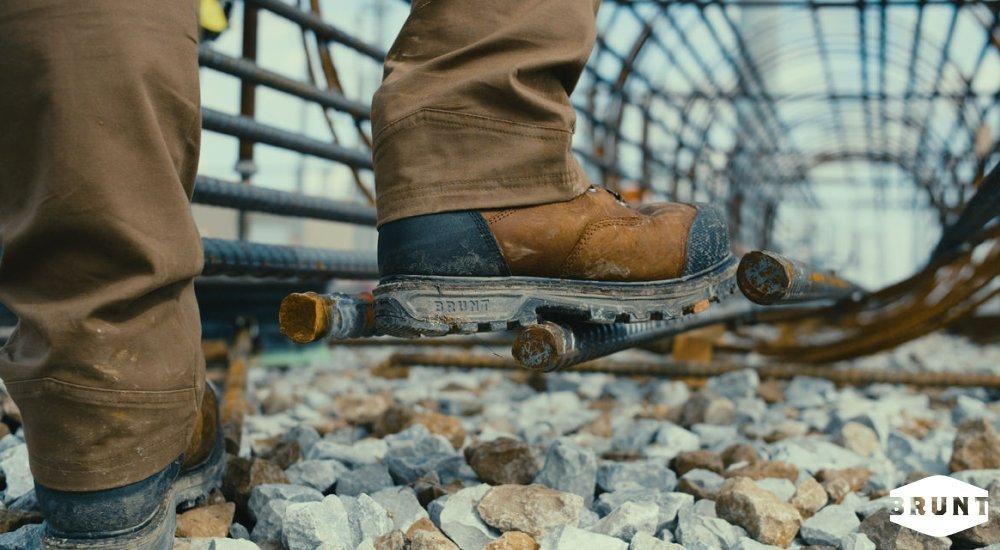
Depending on where you work, you may be required to invest in personal protective equipment (PPE). This can include flame-resistant clothing, safety boots or shoes, eye protection, and more. When deciding between composite toe and steel toe boots, choosing which one you need comes down to the specific requirements of the job and your preferences. Our Footwear Experts highlight the advantages and disadvantages of composite and steel-toe boots so you can decide which is best for your safety and comfort.
What Are Composite Toe Boots?
Composite toe boots are gaining popularity because they are lighter and more versatile compared to steel-toe work boots. This work footwear features a toe cap made of materials such as Kevlar, carbon fiber, or plastic to provide similar protection as steel toe boots without being as heavy or conducting electricity or heat.
Advantages of Composite Toe Boots:
-
Lightweight and more comfortable for extended wear
-
Better thermal insulation, keeping feet warmer in cold environments and cooler in hot environments
-
Non-metallic construction, which means they won't set off metal detectors
-
Suitable for a wide range of work environments, including those with electrical hazards
Disadvantages of Composite Toe Boots:
-
Not nearly as much protection as steel toe boots
-
Typically more expensive than steel toe boots
-
Not as durable as steel toe boots, depending on the quality of the materials
What Are Steel Toe Boots?
Steel toe boots (and steel toe shoes) have been a popular choice for workers in a variety of industries, from construction to manufacturing. This work footwear features a steel toe cap that protects against falling and compression hazards. Steel toe boots can withstand heavy loads to prevent serious injuries to your feet and toes.
Advantages of Steel Toe Boots:
-
Excellent impact and compression protection
-
Durable and long-lasting construction
-
Widely available and often more affordable than composite boots
-
Suitable for a wide range of work environments, including heavy-duty tasks
Disadvantages of Steel Toe Boots:
-
Heavier and bulkier than composite boots, which can lead to fatigue and reduced mobility
-
May be less comfortable, especially for extended periods of wear
-
Can be colder in winter and hotter in summer due to the metal toe cap
-
May set off metal detectors, which can be a concern in certain work environments
Composite Toe vs. Steel Toe Comparison Chart
Our Footwear Experts put together a quick comparison chart so you can easily see how composite toe and steel toe boots differ in protection, comfort, and performance.
| Feature | Composite Toe Boots | Steel Toe Boots |
|---|---|---|
| Weight | Lightweight for all-day comfort | Heavier and more rigid |
| Protection Level | Strong protection for most worksites | Maximum protection for heavy-duty jobs |
| Comfort | Easier to wear for long shifts | Can cause fatigue with extended wear |
| Temperature | Better insulation in hot or cold conditions | Conducts heat and cold more easily |
| Metal Detection | Won’t trigger metal detectors | Will trigger metal detectors |
| Cost | Typically higher price point | Often more affordable |
Composite Toe vs. Steel Toe: Which Should You Choose?
Again, choosing between the two types of work footwear depends on a few factors, including the type of work you do, your job requirements, and personal preferences. Our Footwear Experts share a few factors to consider:
Consider Composite Toe Boots If:
-
You pass through metal detectors when on a job site
-
You work in extreme temperatures, both cold and hot
-
You work near or around electricity
-
You spend a lot of time walking on the job
Consider Steel Toe Boots If:
-
There's a high risk of injuring your feet through falling objects or compression
-
Your employer or OSHA requires steel toe
Additional Safety Toe Materials
-
Carbon-Fiber Toe: This material is lightweight and metal-free, providing an unobtrusive fit and good insulation.
-
Aluminum Toe: As the lightest safety toe, aluminum provides good temperature regulation in cold environments.
Expert Note | Composite and carbon-fiber safety toes will protect the toes, but may acquire cracks, unlike steel or aluminum.
When choosing safety footwear, you need to base your decision on work requirements, safety needs, and personal preferences. If you have additional questions about choosing the proper work footwear, stop into your local SCHEELS to speak with a Footwear Expert.