



How to Choose Fishing Line
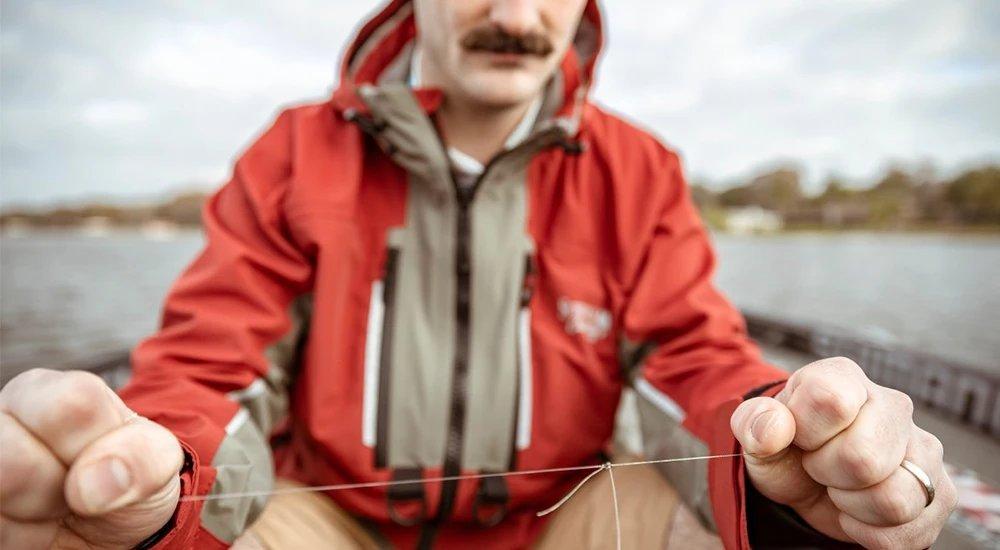
Having the right fishing line for your target species and strategy is one of the most important things to consider before you head out fishing. There’s no worse feeling for an angler than almost catching a fish. That's why we’ve laid out the different types of line so you can determine the right fishing line for success on the water and never have to worry about “almost” again. Learn about the different types of fishing line and how to choose a line weight to avoid the frustration of the one that got away.
Types of Fishing Line
The three most common types of fishing line are monofilament fishing line, braided fishing line, and fluorocarbon fishing line. Most anglers will want to choose one of these three types, and each is suited for different fishing applications.
Monofilament Line
Monofilament line, often referred to simply as “mono,” is exactly what it sounds like—the line is made of one continuous filament. Mono is the most popular and commonly used line since it works well with a variety of fishing techniques from trolling to casting.
Key Features:
-
Stretch: It accommodate shocks and strikes and is less likely to break compared to stiffer lines.
-
Smooth Handling: This minimizes friction, preventing frustrating tangles and snags on your reel.
-
Durability: It’s abrasion-resistant and long-lasting, so you won’t need to respool your reel as often.
Most anglers will want to pick up some mono—even if you don’t spool your entire reel with it, it’s a good backing material. Backing your reel with monofilament line fills some of the space on your reel, allowing you to use more expensive fluorocarbon or braided lines without using an entire spool. It also adds a layer between heavy line and your reel, preventing braided lines from digging into the spool.
Braided Fishing Line
Braided fishing line is made of individual filaments braided together to form one stronger line. Braid offers excellent strength relative to its diameter. Braid is ideal for fishing in deeper water and techniques requiring long line lengths because of its lack of stretch, ensuring solid hooksets.
Key Features:
-
Strength: Excellent strength-to-diameter ratio.
-
No Stretch: Provides direct contact and powerful hooksets, especially at long distances.
-
Weed Cutting: Effectively cuts through vegetation, making it suitable for heavily weeded areas.
Considerations:
- Visibility: Easily seen in clear water, potentially spooking fish.
Expert Tip | If you choose braided line, it's crucial to back your spool with monofilament. This prevents the braid from slipping or binding on itself as it unwinds.
Fluorocarbon Line
Fluorocarbon line offers a little bit of stretch, although not as much as mono line.
Key Features:
-
Low Stretch: Good sensitivity and hooksets.
-
Invisibility: Virtually invisible underwater, minimizing fish detection.
-
Clear Water Performance: Ideal for clear water conditions and pressured fish.
Considerations:
- Cost: Highest price point among fishing line types.
Expert Tip | Many anglers who want the invisibility of fluorocarbon line will tie it on as a leader—this gives you the benefits of fluorocarbon without the need to use as much line.
Fishing Line Test Weight
When choosing fishing line, you’ll see a measurement called the line’s test that indicates the strength of a line. Test is how much stress (measured in pounds) a line can handle before it breaks. The pound test you’ll need is determined by the size of the fish you’re targeting, where you’re fishing, and the gear you’ll be using.
First, take a look at your rod and reel—they’ll often have recommended line weights listed. The test of the line you choose should fall within this range. Once you know what line your gear is best suited for, take your strategy into account: if you’re fishing from shore and will be casting further, a lighter line is a good option. If you’re fishing from a boat or don’t need to cast over long distances, you can choose a heavier line.
Next, consider the species of fish you plan to catch. While the test will ultimately depend on the size of the fish on the end of your line, check out the table below for the most common line weight by target species:
| Target Species | Test Weight |
|---|---|
| Panfish, Trout | 2–4 lbs. |
| Bass, Walleye, Salmon | 6–12 lbs. |
| Pike, Musky, Catfish | 14–20 lbs. |
With the right fishing line for your strategy, you’ll avoid the frustration of broken lines and missed fish. If you want personalized advice for how to choose a fishing line based on your personal fishing style, stop by your local SCHEELS and talk to one of our Fishing Experts!