



Treadmill Buying Guide: Key Features to Consider
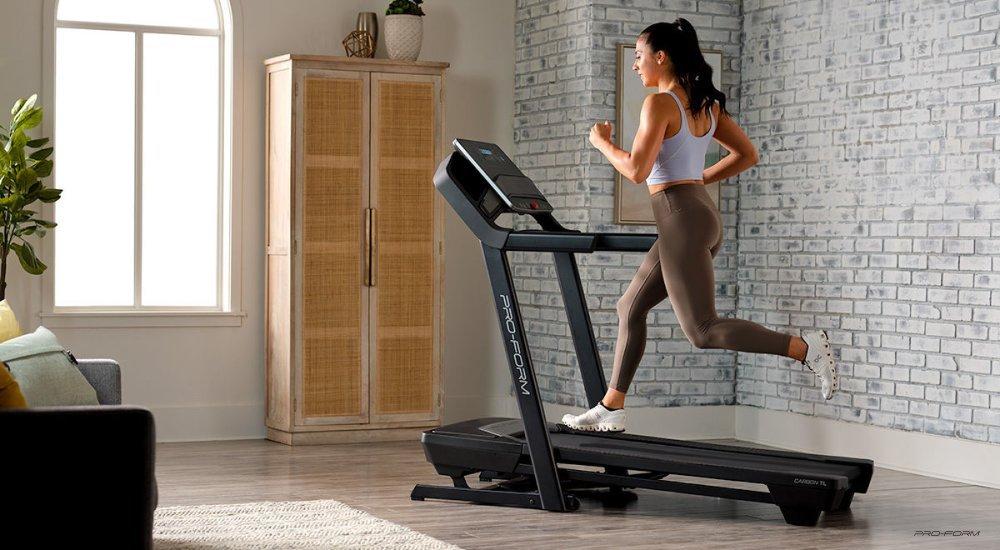
As home gyms become increasingly popular, it's important to know what considerations to take when searching for home treadmills. Most people pay attention to the size, incline levels, and maximum speed of the treadmill. These are all important factors to consider; however, you'll also want to pay close attention to the treadmill motor, included technology, and other essential factors. Our Experts will walk you through several key considerations so you can confidently choose the right treadmill for your space and needs.
Understanding Treadmill Terminology
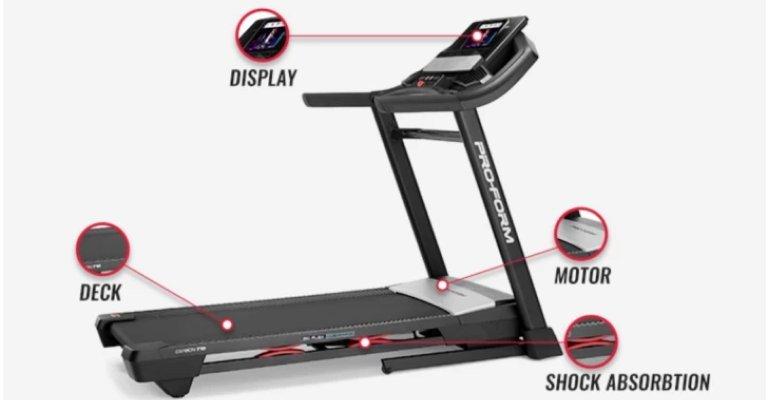
The following features are important to recognize and understand as you evaluate which machine is the best fit for you:
-
Frame: The skeleton of the treadmill, supporting all components. Critical for stability and longevity.
-
Deck: The hard walking surface underneath the belt where you do your running. Needs to be stable and low-friction.
-
Motor: Where the power is created to rotate the treadmill’s belt.
-
Rollers: Located at the front and back of the deck; they keep the belt turning and reduce stress on the motor.
-
Platform Cushion (Shock Absorption): The system that helps absorb impact when you are running or walking.
-
Display: Presents workout information and allows you to increase or decrease speed and incline.
Choosing the Right Treadmill Size & Deck Length
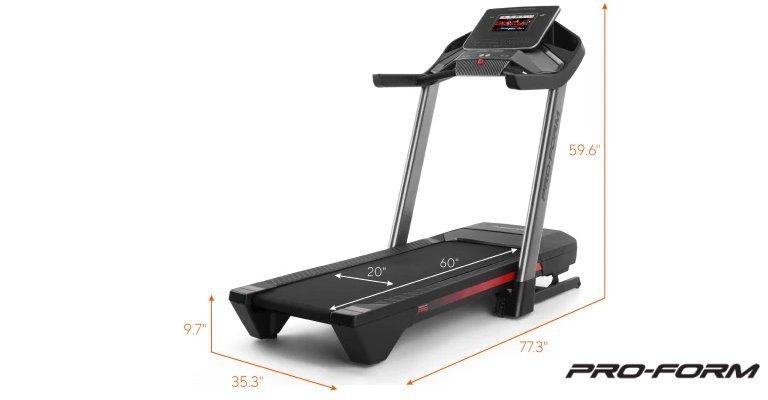
A treadmill’s size is comprised of its height, width, length, and weight. Two frequently asked questions you need to consider are: How much space do I have for a treadmill? And how much treadmill deck space do I need?
Note: Some home models offer the ability to fold up the deck to free up space when needed.
Most treadmills have a standard width of 35 inches or more, so you'll want to make sure that you have plenty of surrounding space. The deck is the hard walking surface underneath the belt that must be ultra-stable. Overall, longer and wider decks are more comfortable, especially for users with longer strides, as the extended length prevents you from feeling like you might slip off the back.
We recommend:
-
A deck length of 50 inches or longer for someone doing a majority of walking on their treadmill.
-
A deck length of 55 inches or longer for someone who will be walking and running regularly.
-
A deck length of 60 inches or longer for individuals who are 6’2” or taller and will also be running for the majority of workouts.
Treadmill Motor Power (CHP) & Shock Absorption
The mechanical side of the treadmill can seem intimidating but we hope to simplify it for you. Most treadmill motors are measured in continuous duty horsepower (CHP). The higher the CHP of the motor, the more efficient and durable the treadmill’s motor will be.
The size of the motor should be determined by the user's weight and activity. For example, extended, long-duration use (50+ minutes) can cause smaller motors to overheat, leading to greater issues down the road. Larger motors don't have to work as hard, which helps them stay cool and aids in overall longevity. A higher quality motor is also quieter because it operates more efficiently under load.
We recommend (based on activity and longevity):
-
A motor CHP of 2.5 or higher if you will only be walking on your treadmill.
-
A motor CHP of 2.75 or higher if you will be running and walking on your treadmill.
In a similar way, the shock absorption system will also improve your experience by minimizing the impact on your ankles, knees, and hips. The “pounding” nature of the feet hitting the treadmill can cause a variety of overuse injuries. Higher-quality treadmills will have softer landing decks for less impact on the joints.
Speed, Incline & Training Goals
All treadmills give you an option to increase or decrease your speed and incline to best fit your workout regimen.
-
Speed: The standard maximum speeds of most treadmills fall between 10–12 MPH. Treadmills that support top speeds of 10 MPH are adequate for most people, but serious runners training for a 5-minute mile will want machines with higher top speeds.
-
Incline: Most treadmill decks have a max incline of 10–12 percent. Top-of-the-line treadmills can be inclined to 15% or 20%.
Knowing this information will be key when deciding what top speed and incline are necessary for you and your training goals.
Treadmill Extra Features
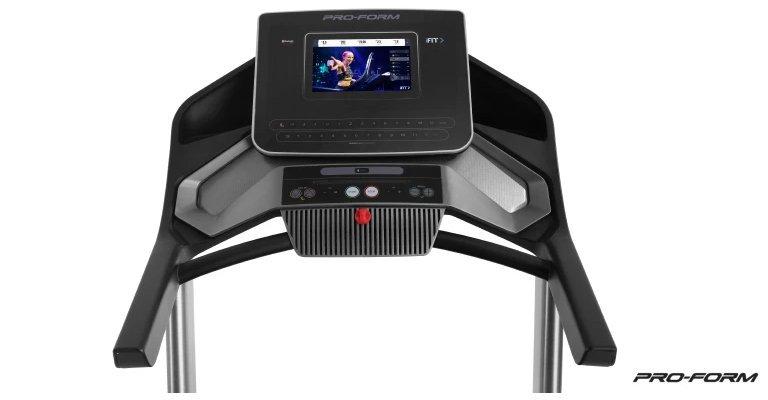
The majority of all treadmills have common features like fans, audio auxiliary, speakers, and storage compartments. We will go over some additional features that may be different depending on the treadmill you are looking at, including advanced workout programs and heart rate monitoring.
Automated Treadmill Workouts
An increasing number of treadmills have touchscreen displays that have built-in workout programs that control the speed and incline of the treadmill for you. These displays have preloaded workout options that you can choose to enhance your experience with the treadmill.
iFIT & JRNY Virtual Programs
The face of in-home fitness has changed dramatically with interactive programming. These are subscription-based services (following an initial free trial) that go beyond the machine itself, offering a well-rounded fitness program that includes cardiovascular training, strength training, core training, yoga, and even nutritional guidance. Both programs feature extensive lists of trainer-led workouts that automatically adjust the speed and incline of your treadmill.
Key features that set these programs apart:
-
iFIT: Designed for progressive training, iFIT allows you to put in a custom route of your choosing on a map. The treadmill will then automatically adjust its incline to match the terrain of your virtual run, making it ideal for training for an upcoming race. Treadmill brands that incorporate iFIT programs include ProForm and NordicTrack.
-
JRNY: This program features adaptive workouts that learn from your performance and preferences to offer similar or more challenging options to keep you progressing. JRNY also offers streaming integration, allowing you to log into services like Netflix or Hulu to watch a show right from the console while completing a workout (with an active membership). Explore Bowflex treadmills for JRNY features.
Treadmill Heart Rate Monitoring
Most treadmills have EKG heart rate monitoring handlebar grips to track your heart rate. Higher-quality treadmills offer wireless heart rate monitoring pairing capabilities (Bluetooth) to display your continuous heart rate. Industry-leading treadmills will often include the heart rate monitoring arm strap with the treadmill.
Safety & Longevity
A treadmill needs to handle extreme amounts of wear. Consider this: a dedicated user can drive over four and a half million pounds of force through their treadmill deck in just five years! This is why the quality of the internal materials, the construction, and the manufacturer's warranty all play a huge role in your buying decision.
At SCHEELS, our goal is to help you find equipment that fits your lifestyle so you can be active and achieve your fitness goals from the comfort of your home. If you have additional questions about our treadmill selection, please contact your nearest SCHEELS to speak with a Fitness Expert.