



How Should Running Shoes Fit?
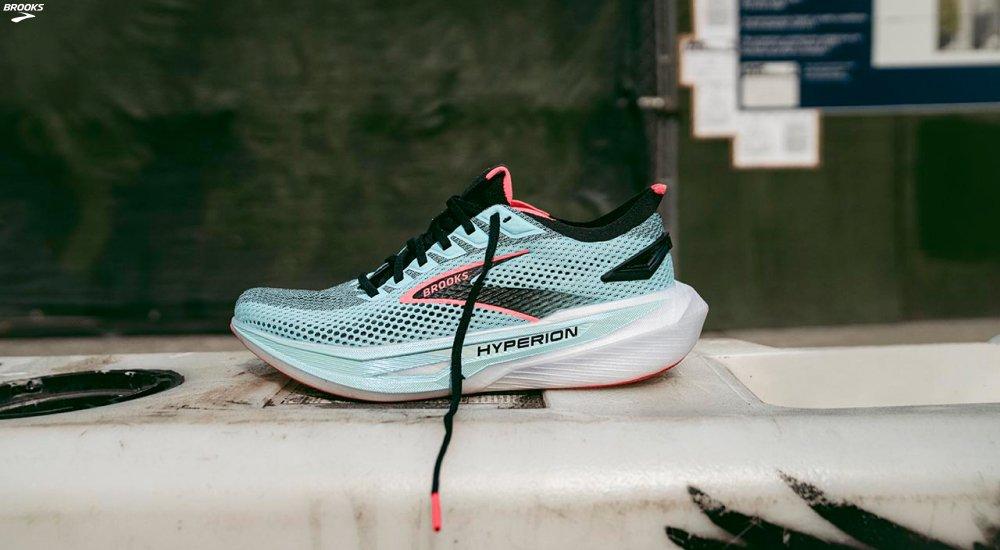
When looking for your next pair of running shoes, it’s tempting to base your decision on what color combination catches your eye. But, finding the perfect pair is about so much more than just looks—it really comes down to how the running shoe fits and feels to you. Our Footwear Experts share the basics of how a running shoe should fit when trying on your next pair.
Considerations When Trying on New Running Shoes
Before trying on running shoes, remember to:
✔ Wear the socks you plan to run in
✔ Try your shoes on with orthotics (if applicable)
✔ Try your shoes on towards the end of the day
Expert Tip | If you live near a SCHEELS location, be sure to stop in and get fit with the Aetrex Albert Pro. This machine quickly analyzes your feet, captures 16 measurements and pressure data, and then delivers personalized recommendations.
3 Fits to Check in Your Running Shoes
-
Toe Box Fit: Slide your foot all the way to the back of the shoe. Check to see if there’s a thumb’s (about a ½ inch) width of space between your big toe and the end of the shoe. Size up or down based on if there’s not enough space or too much space.
-
Midsole Fit: When checking the midsole fit, think about the middle part of the shoe. This should feel comfortably snug.
-
Heel Fit: Your heel should feel secure and comfortably snug. If your heel slips, try adjusting your lacing.
Common Running Shoe Fit Issues & Tips
If your running shoes are properly sized, you shouldn’t notice discomfort, blisters, or pain. If you happen to notice any issue, take note of what’s bothering you so you know what you’ll need differently in your next pair. Here are common issues our Footwear Experts hear when working with customers:
-
Bruised or Blistered Toes: Your shoes are too small, so you’ll want to size up.
-
Blisters on the Ball of Foot: Your shoes are too wide, so you’ll want to wear a style that offers a more narrow fit.
-
Heel Blisters: Start by lacing your shoes differently to keep your heel more secure. If that doesn’t work, it’s best to look for a shoe with a narrower heel.
Additional Running Shoe Sizing & Fit Tips
When finding your running shoe size and fit, keep in mind these additional tips from our Footwear Experts:
-
Brand Differences: Each running brand offers a slightly different fit. Some runners are loyal to one or another, but it really depends on what feels best for your feet.
-
Timing: Always try on your running shoes at the end of the day. When you run, especially in warm weather, your feet swell so trying your new pair on at the end of the day will help mimic that.
-
Wear Socks: Make sure to wear the socks you usually wear when running. If you’re running in warm weather, thin, breathable socks are the best option. For those who continue to run outdoors in cold temperatures, you’ll want to wear thicker socks. Although it may seem like a small difference, the type of socks you wear influences how your shoes fit.
-
Break-In Time: Although your new running shoes should feel comfortable right away, it’s always a good idea to wear them around the house or on the treadmill for the first few miles, especially if you’re changing models or brands.





Understanding how your running shoes should fit will help ensure you find the perfect pair for your next training cycle. If you’re still unsure on finding a properly fitting pair of running shoes, stop into your local SCHEELS store and have a professional fitting. Our Footwear Experts are trained to help you find the right pair of running shoes based on your foot type, pronation, and other factors.