


How to Choose a Backpacking Pack
Whether you’re getting ready for your first backpacking trip or you’re looking for a new backpacking pack to replace your old one, choosing a pack with the right capacity, features, and fit is an important decision that can make or break your trip. Learn more about the different backpacking backpack features, what size to get based on the length of your trip, and how to find the perfect fit for success on the trail.
Backpacking Pack Features
When choosing a backpacking pack, start with the frame type. It has a big impact on how the pack carries weight and how comfortable you’ll feel over long miles.
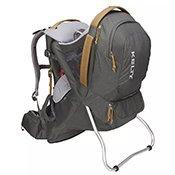
Internal frame packs are the most popular for a reason. They sit close to your body and transfer weight to your hips, which helps you stay balanced on uneven terrain. If you plan to carry heavier or bulkier gear, an external frame pack can be a great fit. These packs offer strong support, better airflow, and make it easier to organize awkward loads. For those focused on cutting weight, frameless packs are a solid option. They’re lightweight and simple, but work best when you pack efficiently and stick to the essentials.
Beyond the frame, look at the features that match how you like to pack and move on the trail. Key things to consider include:
-
Access: Top-loading packs are simple and lightweight, while panel access makes it easier to reach your gear
-
Pockets and organization: Think about how you like to separate and grab items quickly
-
Ventilation: Helpful for staying cool, especially on warmer hikes
-
Attachment points: Useful for trekking poles, sleeping pads, or extra gear
The right features can make a long day on the trail feel a whole lot more comfortable and efficient.
Backpacking Pack Capacity
Once you’ve narrowed down features, it’s time to choose the right capacity. Your pack size should match the length of your trip and the amount of gear you plan to bring.
As a general rule, you want enough space for your essentials without leaving room to overpack. Most backpacking packs fall into three main categories:
-
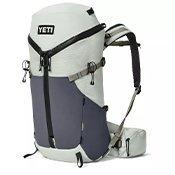
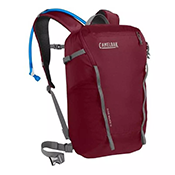
Daypack (15–30L): Best for day hikes and shorter outings. These packs carry the basics like snacks, layers, sun protection, and a first aid kit.
Note: daypacks are not designed for overnight trips and won’t fit tents or sleep systems. -
Weekend Packs (30–60L): Ideal for 1–3 night trips. You’ll have room for your core gear, including a tent and sleeping system, along with food and extra layers. If you’re using lightweight, compact gear and pack efficiently, this size can sometimes stretch into longer trips.
-
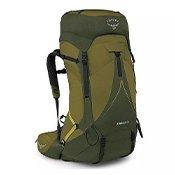
Multi-Day Packs (60L+): Designed for 3–5+ nights. These packs give you extra space for food, layers, and bulkier gear. They’re also a smart choice for winter trips or when you’re carrying gear for others.
At the end of the day, the goal is simple: bring what you need and leave behind what you don’t.
Related Expert Content | What to Pack for Backpacking
How to Fit a Backpacking Pack
Getting the right fit is essential before you head out on the trail. A properly fitted pack improves comfort, balance, and overall performance.
Start by measuring your torso length. This is the most important step, and it’s where many new hikers go wrong. Your overall height doesn’t determine pack size, so it’s best to skip that shortcut.
To find your torso length, use a flexible measuring tape and measure from the base of your neck (the C7 vertebra, where your shoulders meet your neck) down to the top of your hip bones. Once you have that measurement, use the sizing chart below to find the right pack size for your body.
After choosing a pack, take the time to dial in the fit before your trip. Add some weight to simulate your gear and make adjustments so everything sits comfortably and securely. Focus on:
-
Hip belt placement: Should rest on your hips to carry most of the weight
-
Shoulder straps: Snug, but not carrying the load
-
Load lifters and sternum strap: Fine-tune for balance and stability
A few minutes of adjustment now can make a big difference once you’re on the trail.
Note: Sizing and fit can vary by brand, so always check specific sizing guidelines when possible.
| Backpack Size | Torso Length |
|---|---|
| XS | Up to 15+ in. |
| S | 16-17+ in. |
| M | 18-19+ in. |
| L | 20+ in. |
Choosing the right backpacking pack comes down to fit, features, and capacity. When you take the time to find the right combination, you’ll notice the difference on every mile of the trail. Whether you’re heading out for a quick day hike or a multi-day adventure, the right pack helps you stay comfortable, organized, and focused on the experience ahead.
If you have any further questions on how to find the perfect backpack for your next adventure, don’t hesitate to contact your local SCHEELS and speak with a Camping Expert!