


How to Choose a Basketball
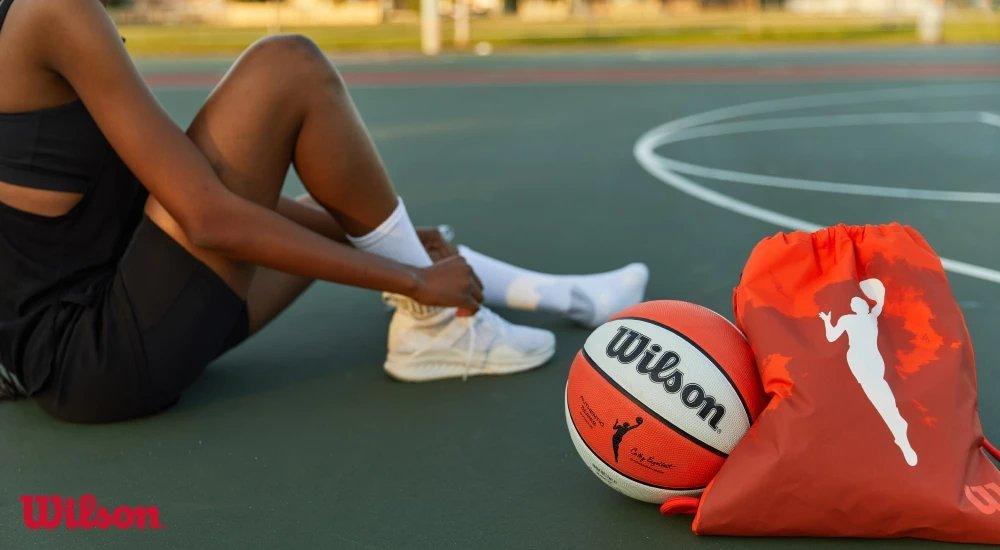
No matter how long you’ve been playing the game, choosing the right basketball size can feel like a daunting task. From women's and men's basketballs to mini skill balls and NBA basketballs, there are so many sizes to choose from—understanding the differences between them can greatly impact the way you practice and play. In this basketball size guide, we'll make it easy to help you find the perfect fit for your game.
Basketball Sizes—Finding the Perfect Fit
- Size 7: This is the standard basketball size for men. Size 7 basketballs are used in the NBA, as well as men's college, high school, and travel basketball leagues. Size 7 basketballs measure 29.5" in circumference and weigh around 22 oz. They are designed for players with larger hand spans, typically ages 12 and up.
-
Size 6: Size 6 basketballs are slightly smaller than size 7 balls, measuring 28.5" in circumference and weighing approximately 20 oz. They are the official ball size for most women's professional leagues, including the WNBA. Size 6 balls are also used in women's college and high school leagues, as well as in youth leagues for players aged 9 and up. Boys ages 9–11 may also use a size 6 basketball.
-
Size 5: Ideal for players aged 8 and under, size 5 basketballs have a circumference of 27.5"–27.75" and a weight of 14–16 oz. These are the most popular basketballs for youth and traveling leagues.
-
Size 4: Kids ages 6 and under need an even smaller ball to practice their fundamentals. With a circumference of 25.5" and a weight of 14 oz, size 4 basketballs are the most ideal choice.
-
Size 3: Size 3 basketballs, also known as mini basketballs, have a circumference of 22.5" and weigh 10 oz. This size is great for kids under 4 just getting comfortable with the ball, and they make the perfect commemorative item for your favorite team or event.
Materials: Rubber, Composite, or Leather?
The materials used in basketball construction greatly affect the ball's durability, grip, and playability. The three main materials you will see while shopping are rubber, composite, and leather.
-
Composite Basketball: Composite basketballs, often referred to as synthetic basketballs, combine the pliability and grip of traditional leather with enhanced durability. These basketballs are suitable for both indoor and outdoor use and are the most popular choice among players. They can withstand dirt, moisture, and other elements, making them perfect for indoor and outdoor use.
-
Rubber Basketball: Rubber basketballs are designed for outdoor play. They are durable enough to handle abrasive surfaces and can endure adverse weather conditions. With excellent grip, even in rain or dirt, rubber basketballs are ideal for street basketball and casual play.
-
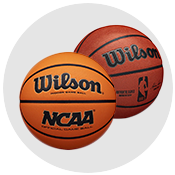
Leather Basketball: Leather basketballs, made from genuine leather covers, are the most premium option. These balls have a slick touch and require a "break-in period" to maximize grip. Leather basketballs, like the official NBA game ball, are only used for professional games and are not recommended for casual play.
When you choose the right basketball for your size and age, you’re one step closer to perfecting your skills on the court. From ball handling to shooting, basketball size can make all the difference in security and feel. If you have additional questions about how to choose a basketball, contact your local SCHEELS to speak with an Expert.