



How to Choose Baseball Cleats
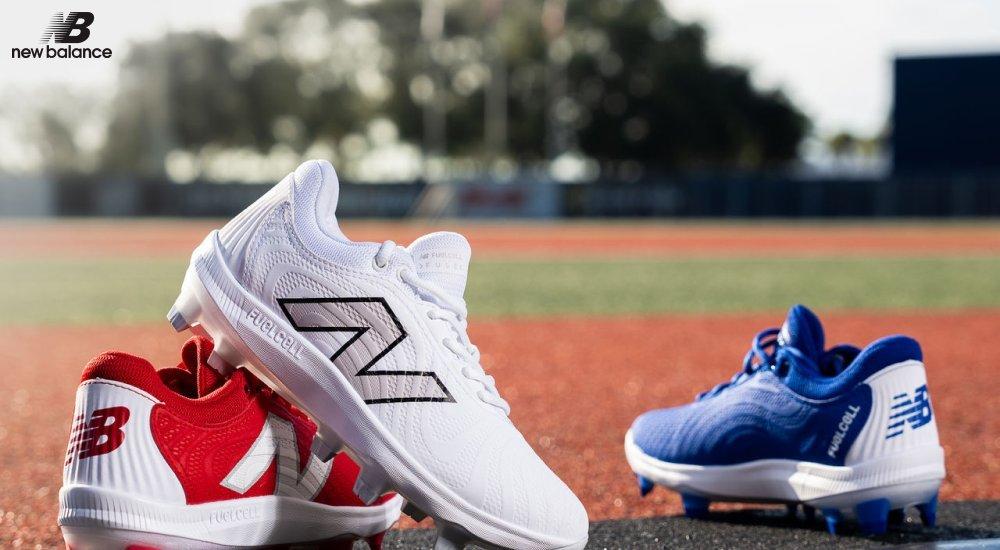
Speed is the top priority on the field and it all starts with having the right pair of baseball cleats on your feet. Whether you’re just starting to play or have been playing for years, stepping on the diamond with a reliable pair of cleats will help you round the bases and chase down fly balls with confidence. With various options, choosing the right pair of baseball cleats may be difficult, but understanding what to look for in a cleat will make the process easier. Some of the main differences in cleats will be the upper materials, spike type, ankle support, and cushioning. Our Baseball Experts go over how to choose the best pair for you to ensure a successful season ahead.
Parts of a Baseball Cleat
Knowing what to look for in a cleat starts with understanding the build and the key features that match your preferences.
-
Upper Material: The material used for the upper portion of cleats will typically be made of genuine leather, synthetic leather, or woven mesh material. In recent years, athletes have preferred the mesh upper for the breathability that it offers players, but some enjoy the locked-in feel a leather upper provides.
-
The Spike: The material used to construct the spiked portion of cleats will be made out of metal, rubber, or thermoplastic polyurethane (TPU). Due to player safety, the player's age will determine which type of spike is allowed, so it is important to check your league’s rules and regulations before choosing your cleats.
-
Ankle Support: Similar to other athletic footwear, players can choose between a high-top or low-top build. Both options will offer different trade-offs. If you prefer a lightweight build for speed and agility then low-top cleats are a great option. However, if you need some additional stability and support at the plate or in the field, then a high-top might be the cleat for you.
-
Cushioning: To ensure your feet don’t get sore in the middle of the game, be sure you pay attention to the type of material that is used in the midsole. Each brand will have its own premium foam that will add comfort to each step.
Types of Baseball Cleats
Depending on your league’s rules and regulations, you can choose between the three different types of baseball cleats. Although each type has its own benefits, choosing a cleat type should not be a complicated decision.
1. Rubber or TPU Molded Cleats
Both rubber and TPU cleats provide quality traction throughout the entire game with their non-removable rubber or TPU studs while still maintaining comfort. The best part is that they are also extremely durable so they can be worn on a variety of playing surfaces. Plus, they are better in wet or muddy conditions.
2. Metal Cleats
There is really no getting around the fact that metal cleats offer the best traction on the field because of their thin, strong metal spikes that easily penetrate through the dirt while you run or change directions. Metal cleats are best suited for high school, college, and professional players due to the possible safety concerns.
3. Turf Shoes
During the preseason, many teams are forced to practice indoors on artificial turf which introduces the need for turf baseball cleats. Turf cleats feature a less aggressive nub and tread pattern. Many players enjoy wearing turf cleats during warm-ups and batting practice because of their comfortable shoe-like feel.
How Should Baseball Cleats Fit?
Due to the need to quickly change directions when playing baseball, it is best if players are wearing cleats that fit comfortably snug. Meaning that your longest toe should have about a finger’s width of room. Cleats should not be so tight that your toes are hitting at the end because then you can develop blisters.
It is important to note: If possible, you should wear the socks you plan on wearing during your game when you are trying on your cleats.
Most people look at a cleat and see it as just a piece of rubber, plastic, or metal on the bottom of a shoe that gives athletes a little grip. But in reality, it is a much more complex interaction between the bottom of your cleat and the ground on which you play. With these tips and techniques, ballplayers are sure to find the right pair of cleats in no time. If you have additional questions about choosing a pair of baseball cleats, contact your local SCHEELS and speak to an Expert.