



How to Choose Hockey Shoulder Pads
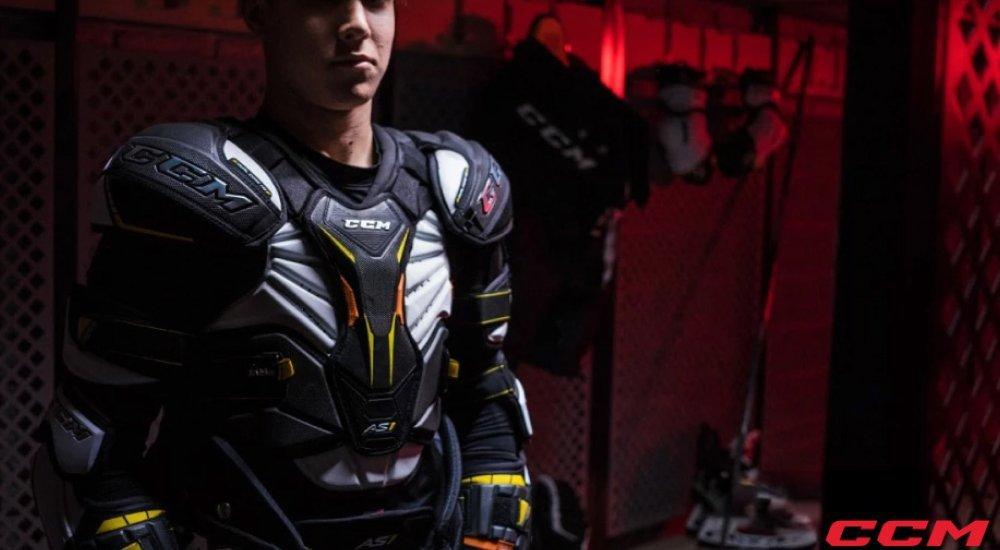
When it comes to playing hockey, ensuring that you have the right gear is crucial. One piece of equipment that is often overlooked but incredibly important is the shoulder pads. Shoulder pads not only provide protection but also affect your mobility and performance on the ice. In this guide, our Hockey Experts dive into the essential factors to consider when selecting the right hockey shoulder pads.
Parts of Hockey Shoulder Pads
Shoulder pads consist of several key components, each playing a specific role in providing protection and enhancing performance. It is important to familiarize yourself with these parts when choosing the right shoulder pads. Here are the main components to consider:
Chest and Spine Protection: The chest and spine protection component covers vital areas and absorbs impacts during gameplay. Hockey involves body checks and falls, so having adequate protection for the chest and spine reduces the risk of serious injuries.
Bicep Guards: Bicep guards extend down from the shoulder caps to provide additional protection to the upper arms. In hockey, players often engage in physical play, making the biceps susceptible to hits from sticks or other players. Bicep guards ensure that this area is well-protected.
Sternum Protector: The sternum protector focuses on safeguarding the sternum bone, which is susceptible to injuries in hockey. The sternum is located in the center of the chest and is at risk during collisions or falls. Protecting this area prevents serious injuries and enhances player safety.
Collarbone Protection: The collarbone region is prone to injuries in hockey, especially during physical play or falls. Shoulder pads with extra padding or reinforced materials in this area provide added protection. This helps prevent collarbone fractures or other injuries that can sideline players for extended periods.
Back and Rib Protection: Back and rib protection is crucial for defense against potential impacts from falls, collisions, or being hit with a puck or stick. Players often find themselves in situations where their back and ribs are at risk. Foam padding or plastic inserts in the shoulder pads provide defense against such impacts, minimizing the risk of injuries.
Hockey Shoulder Pads for Your Position
When it comes to choosing hockey shoulder pads, it's essential to consider your position on the ice. Different positions have different needs in terms of design, bulk, and overall mobility. Let's take a closer look at how shoulder pads can vary based on your position:
Forwards: Most forwards prefer lightweight, slim shoulder pads that offer enhanced mobility. These shoulder pads typically feature low-cut necklines and smaller shoulder caps to provide the freedom of movement that forwards need to maneuver quickly on the ice. Key features for forward shoulder pads include:
-
Lightweight design for agility and speed
-
Low-cut necklines for increased mobility
-
Smaller shoulder caps for improved range of motion
Defensemen: Defensemen require shoulder pads with a bit more bulk to provide extra protection. These shoulder pads may sacrifice some mobility but excel in padding and shielding against impacts. Defensemen often need to block shots and engage in physical play, so their shoulder pads must prioritize protection. Key features for defenseman shoulder pads include:
-
Bulkier design for increased protection
-
Ample padding to absorb impacts
-
Reinforced materials in critical areas for added protection
How to Size Hockey Shoulder Pads
Choosing the right size of hockey shoulder pads is crucial for ensuring proper fit and maximum protection. It is essential to measure the circumference of your chest accurately before making a purchase. Additionally, shoulder pads should cover your upper torso, connecting seamlessly with all your other gear, such as your elbow pads and breezers.
Sizing Considerations
Measure the Chest: Using a measuring tape, wrap it around the widest part of the chest, just below the armpits. Take note of the measurement in inches.
Refer to the Sizing Chart: Each brand has its own sizing chart, so consult the manufacturer's guidelines to find the appropriate size based on your chest measurement.
Fit and Coverage: Ensure that the shoulder pads cover the upper torso, reaching down to the elbow pads. The fit should be snug but not too tight, allowing room for growth during the season.
How Should Hockey Shoulder Pads Fit?
In order to ensure optimal comfort, mobility, and protection, it is important to find shoulder pads that provide a snug yet comfortable fit, allowing players to move freely without hindering their performance or leaving vulnerable areas exposed. Keep these things in mind:
-
Shoulder pads shouldn’t be too tight, as this could hinder movement.
-
Players should feel comfortable and have adequate mobility and movement.
-
To assess mobility, players can try stick handling or mock shooting with shoulder pads on.
-
Shoulder pads should not be too big, as they can cause discomfort or distract from gameplay.
Youth: For young players, finding shoulder pads that offer adequate protection and allow for growth is vital.
Junior: As players transition to the intermediate level, they require shoulder pads with enhanced protection and a better fit.
Senior: Senior players need shoulder pads that provide optimal protection and allow for unrestricted movement on the ice.
Sizing Charts for Popular Brands:
Choosing the right hockey shoulder pads is essential for both protection and performance on the ice. By considering the different parts of shoulder pads, tailoring them to your position, and finding the right fit, you can ensure the utmost safety and mobility during gameplay. Whether you're a forward, defenseman, or at any level of play, investing in quality shoulder pads will provide the necessary protection while allowing you to excel in your game. If you have any more questions about hockey shoulder pads, head to your local SCHEELS and speak with a Hockey Expert!