



How to Sight In Your Thermal Scope
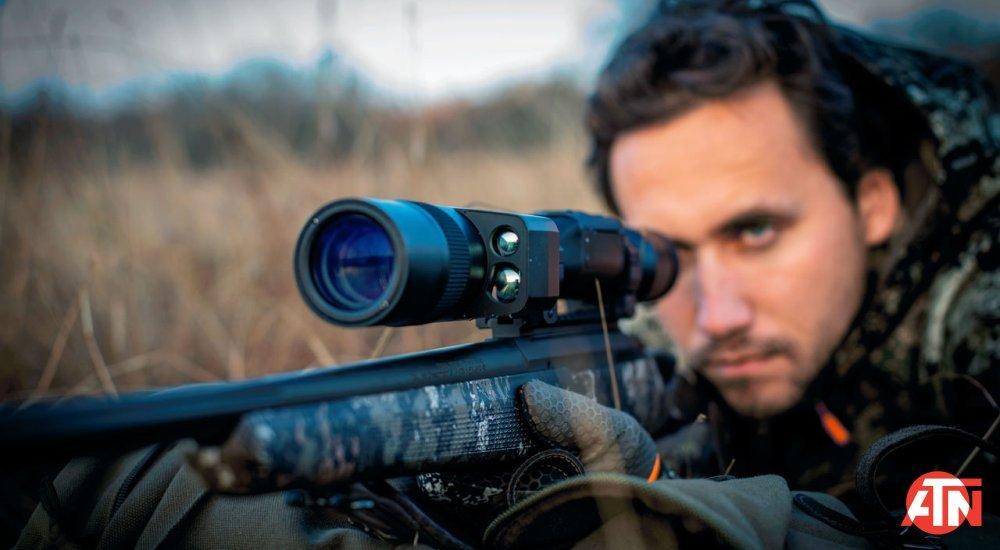
Sighting in a thermal scope is similar to sighting in a regular riflescope. The biggest deviation comes from using heat signatures rather than a normal target. Although thermal technology adds a few extra steps, anyone can master these skills. Our Hunting Experts share all the steps on how to sight in your thermal scope to get you accurately dialed in for your next hunt.
1. Prepare Your Target
Unlike a traditional scope that targets visual representations, your thermal scope targets heat signatures. Therefore, you should use a heat source as your target. A common choice is a hand warmer packet attached to your regular target using tape or another method.
2. Install the Thermal Scope
Securely attach the thermal scope to your firearm using the appropriate scope mount and rings. Ensure it's correctly oriented, according to the manufacturer's instructions.
3. Bore Sight the Thermal Scope for Initial Thermal Zeroing
Boresighting primarily aims to align and reduce the difference between your aiming point and the actual hit spot. There are two ways to bore sight your thermal scope: manual and laser. Our Hunting Experts share how to boresight your thermal scope using either method.
Manual Bore Sighting
-
Make sure your firearm is completely unloaded for safety.
-
Secure your firearm in a steady position—using a vise or gun rest is advisable.
-
Remove the bolt from your rifle.
-
Look through the barrel and align it with your target.
-
Without moving the firearm, peer through your scope. The crosshair should align with the target sighted through your barrel. If not, make necessary adjustments to the scope.
Using a Laser Bore Sighter
-
Make sure your firearm is completely unloaded for safety
-
Insert the laser bore sighter into the rifle's chamber or the end of the barrel, based on the model.
-
Make sure the firearm is steady and point it at a target about 25 yards away.
-
Use the scope to locate the laser dot emitted by your bore sighter on the target.
-
Adjust the thermal scope (windage and elevation) until the crosshairs align with the laser dot. The thermal scope should now be sighted in close to your shooting range.
4. Minutes of Angle (MOA) Adjustments
Adjustments in MOA play an essential part in aligning the scope’s crosshair with the target. An MOA manipulates the horizontal and vertical position to alter windage and elevation, which brings the bullet’s impact point and the crosshair in line. Understanding MOA adjustments can be somewhat complicated for new users - just remember that a single click typically equates to a fourth or fifth of MOA—averaging 1 inch at 100 yards.
Keep in mind:
-
Learn MOA Basics: Understand that 1 MOA averages 1 inch at 100 yards.
-
Perform Adjustments: Remember, clockwise raises aim, counterclockwise lowers.
-
Handle Windage: Right turn pulls aim right, turning left pulls aim left.
-
Check Instructions: Always compare rules with your scope's manual.
-
Practice: Gradual repetition grows understanding and accuracy.
5. Fire Your Weapon and Fine-Tune Your Thermal Zeroing
Once all the prerequisites are in place, take your shot. It's best to start closer to your target and move farther away when sighting in your thermal scope, typically at something near 25 or 50 yards.
Importance of Test Shots and Adjustments
A stable firing next analyzes the correction angle and whether your thermal scope and firearm are zeroed in. As distinctive as each tool can be to its owner, establishing marking-zone patterns becomes comfortable with each adjustment you make on the reticle.
6. Regular Check and Maintenance
Regular updates and maintenance are crucial for holistic ownership, which applies to thermal scopes. To extend its lifespan, ensure routine care, regularly check alignment, inspect the sighting after unforeseen events, securely store it, and fully comprehend the implications when a scope falls off zero.
Sighting in Your Thermal Scope During the Day
While sighting in a thermal scope during the day can be tricky due to heat background clutter, it's manageable with these quick tips:
-
Use a heat source that contrasts with the surrounding environment temperature. A shaded area can help.
-
Choose cooler times of the day to create a better heat contrast.
-
Start with closer targets to reduce field view heat sources.
-
Fire at the target, note where the bullet lands compared to where you aimed, and adjust the scope accordingly.
-
Consider weather influences; heat and humidity can affect bullet trajectories.
Sighting in a thermal scope may require a bit more groundwork than typical scopes due to its unique use of heat signatures. However, with these detailed steps, you're well-equipped to accurately dial in your equipment and bring your hunting or shooting skills to the next level. Remember, consistency in practice, regular check-ups, and proper maintenance will keep your thermal scope in peak condition for a successful outing each time.
If you have any more questions about thermal rifle scopes, head to your local SCHEELS and speak with a Hunting Expert today.