


How to Store Fishing Rods
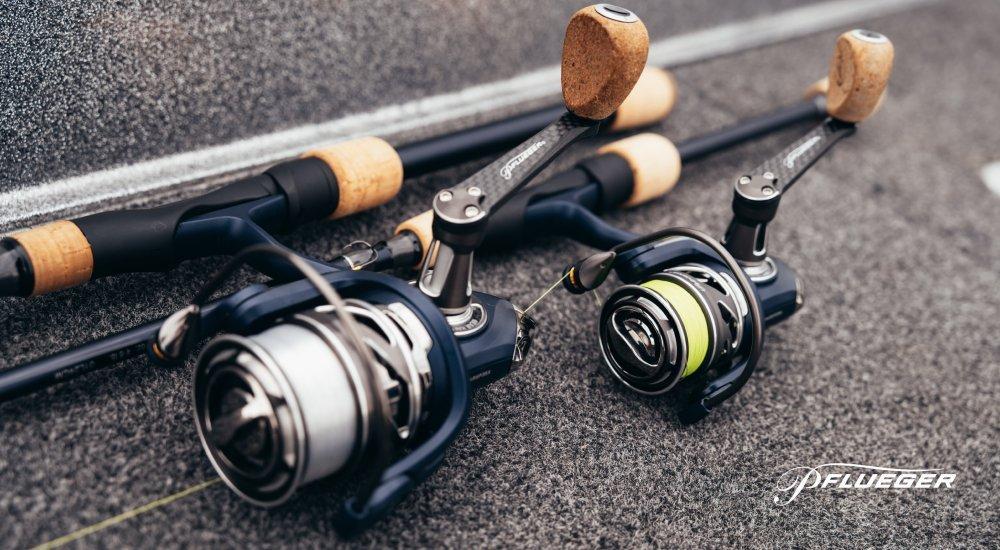
While anglers put careful thought into fishing rod selection, proper storage is often overlooked—and poor storage can quietly lead to damage over time. To help anglers protect their gear, our Fishing Experts outline best practices for fishing rod storage.
How Do You Prep Fishing Rods for Storage?
Before you place your rods in a rack, be sure to properly clean them. Storing dirty gear is the fastest way to degrade its quality. Lake water, river sediment, and other bodies of water can harbor minerals and bacteria that eat away at reel finishes and cork handles over time.
1. Deep Clean Handles
-
Cork: Use warm water, mild dish soap, and a soft sponge; use a cleaning eraser for stubborn stains.
-
EVA foam: Usually just needs a damp wipe, but soap helps remove lingering fish odors.
2. Inspect and Clean Guides
Run a cotton swab through each guide—snagging indicates cracks that can break the line. Wipe guide frames to remove water spots, algae, and prevent corrosion.
3. Relieve the Tension
Never store rods with tight line or engaged drag. Secure lures to the hook keeper or guide frame (not the ceramic insert), and loosen the drag to prevent washer compression and long-term drag failure.
How to Store Fishing Rods In Vertical Racks
Vertical rod holders are generally the safest option for rod blanks because gravity pulls straight down along the blank. This naturally keeps your rods straight and eliminates the risk of warping or developing a permanent bend over time.
Depending on your space, our Fishing Experts recommend using one of these two setup methods:
Vertical Floor Racks
Floor racks are excellent if you have available floor space in a garage, basement, or gear room.
-
Choose adjustable clips: Select a floor rack that features adjustable clips so you can fit a wide range of rod diameters.
-
Insert the rod butt first: Slide the butt of the rod into the lower slot before clipping the upper blank in place to ensure stability.
Wall-Mounted Vertical Racks
Vertical wall-mounted racks are perfect for saving floor space and keeping your gear safely out of reach from pets and children.
-
Mount at an accessible height: Install the rack on a wall where you can easily reach the top clips without overextending.
-
Secure the bottom cups: When placing your rod on the rack, make sure the rod butt rests securely in the bottom cups to prevent the rod from slipping out.
How to Store Fishing Rods In Horizontal Racks
Horizontal racks are an excellent way to utilize empty overhead ceiling space or high wall space. However, horizontal storage fights gravity, which means proper execution is vital to keep your rods from bending.
To store your rods horizontally without damaging them, follow these two essential installation steps:
-
Space your supports correctly: To prevent rod blanks from sagging under their own weight and developing a permanent curve, you must support them at multiple points. Ensure your rack supports are spaced at least 3 ft. to 4 ft. apart.
-
Alternate combo directions: If you are storing rod and reel combos, place them on the rack in alternating directions. Position one setup tip-to-handle, and the next handle-to-tip. This technique saves rack space and prevents the reels from knocking or contacting each other.
Preventing Tangles When Storing Fishing Rods
Even with a quality rack system, tangles can occur—especially when moving multiple rods at once. Rod sleeves are woven mesh covers that slide from the tip to the reel seat, keeping lines and guides from wrapping around other rods. You can move or store several rods together without creating a tangled mess. Sleeves also prevent guides from snagging on carpet, clothing, or other rods, protecting ceramic inserts from chipping or popping out during transport.
SCHEELS Expert Tip: For large collections, color-coded sleeves make identification easy—use different colors for crankbait, jig, or spinning rods so you can grab the right setup without removing the sleeve.
Mistakes to Avoid When Storing Your Fishing Rod
To keep your gear in top condition, avoid these common storage pitfalls that quietly damage equipment.
-
Avoid Extreme Heat: Never leave rods in a hot car or an uninsulated shed during summer. High heat weakens epoxy resins, loosens guide wraps, and can make rods brittle over time.
-
Don’t Lean Rods Against Walls: Propping rods in a corner for long periods puts constant pressure on the tip, causing permanent bends that ruin casting accuracy. Always store rods in a rack that supports them without tip stress.
-
Control Humidity: Damp basements or sheds can lead to mold on cork handles and rust in reels. If humid storage is unavoidable, use silica gel packs and ensure good airflow.
Frequently Asked Questions
A properly stored rod collection isn’t just about staying organized—it’s about protecting your investment, fishing with confidence, and showing respect for both your equipment and the sport itself. For any further or personalized questions you may have about fishing rod storage, visit your local SCHEELS and speak with a Fishing Expert.