


How to Tune Up Your Bike
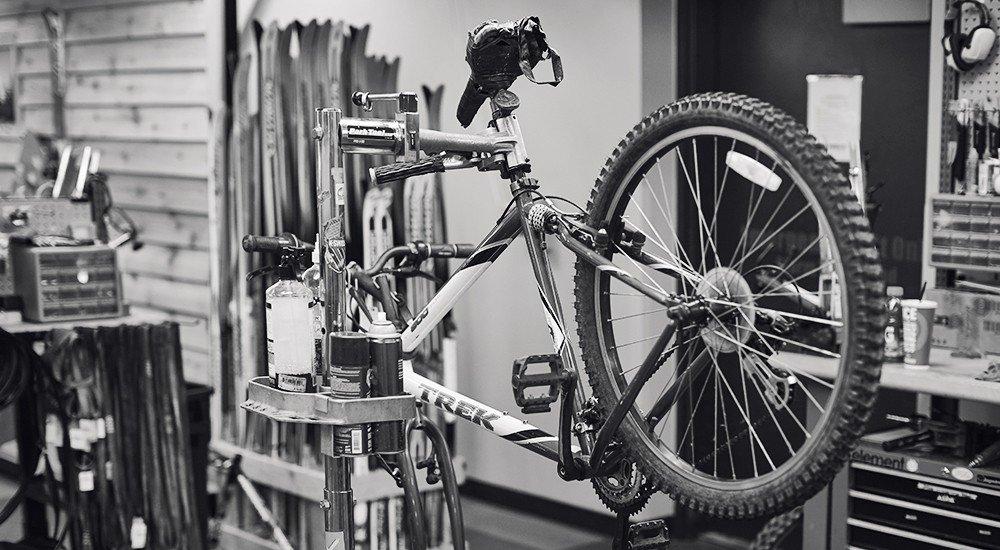
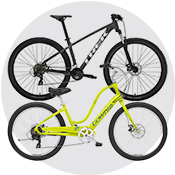
Before your first ride of the season, look over your bike to see if there are any problems or repairs that need to be addressed. All of our SCHEELS locations offer three different levels of bike tune-ups, and we recommend having at least one professional tune-up completed each year. However, if you’re familiar with bike components and mechanisms, we’ll walk you through the basics of how to tune up your bike in order to decide if it’s safe to hit the road or if you need to bring it into your local SCHEELS for repair.
Step 1: Inspect & Clean Your Bike
Check your whole bike for visible damage like broken or bent wheels, spokes, and pedals as well as loose or frayed cables. Place your hands firmly on the handlebars to make sure they are sturdy and won’t rotate while biking. You’ll also want to check that the bike seat is secure before sitting on your bike. Finally, if your bike features quick-release levers on one or both wheels, check to make sure they are secure and won’t come loose during your ride.
Clean your bike’s frame and wheels using a damp rag to remove dirt and grime. It’s also a good idea to brush out the chainlinks (you can use a chain brush or an old toothbrush) and apply some chain lubricant.
Step 2: Check Your Tires
Decrease your chance of getting a flat tire by carefully checking your tires for any punctures, damage, or wear. If you see any holes, deep tears, or significant tread wear, you’ll need to get new tires. If your tires are in good condition, use a tire pressure gauge to make sure they are inflated to the proper PSI.
How to Inflate Bike Tires
-
Locate the valve and determine if it’s a Schrader (most common) or Presta valve
-
Determine the recommended PSI range by looking for the raised printing on the outside wall of your bike
-
Unscrew the valve cap and put it in a safe place
-
Use a tire pressure gauge to check the current pressure rating
-
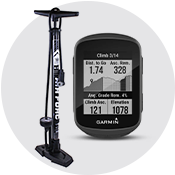
Attach the bike pump (or use an air compressor at the gas station)
-
Slowly fill the tire, periodically using the gauge to check the PSI (over-inflating could cause the tube to burst)
-
Once you reach the desired PSI, put the valve cap back on
If you hear any hissing, that means that you need to install a replacement bike tube. If you’re unsure of how to replace a bike tube, bring the wheel into your local SCHEELS repair shop to get it fixed.
Step 3: Test Your Brakes
Making sure your bike can come to a quick, complete stop is important for safety. Start by looking at the wear on your brake pads; if they are thin or loose, you’ll want to replace them before riding. Next, press down on the brake levers to ensure that they engage the brake pads against the rim without touching the rubber portion of the tire.
If your brake levers feel too tight, too loose, or hit your handlebars, you’ll need to get your brake cables adjusted at a bike repair shop.
Step 4: Check Your Gear Shifting
You’ll want to make sure you can smoothly shift between gears, so it’s important to check your derailleurs and chain when tuning up your bike. One of the easiest ways to do this is to go on a short, slow bike ride while shifting into a variety of different gears. Pay close attention to how the gears shift, if you hear any additional sounds or your chain “hops” between two gears, you’ll most likely need to bring your bike in for a professional tune-up to properly adjust your gears, chain, and derailleurs.
Step 5: Check Your Helmet
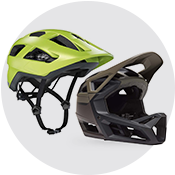
Finally, and most importantly, check your bike helmet! Inspect your helmet for any visible damage, especially cracks, dents, and signs of impact. If you notice any damage, have ever been in an accident, or haven’t bought a new helmet in a few years, replace your helmet before riding—a broken or worn-out helmet won’t give you the level of protection you need to stay safe on the road
With this basic guide on how to tune up your bike, you’ll know if it’s ready to ride or needs to be brought to your local bike shop for repairs. Be sure to continue routine bike maintenance throughout the season for safety and performance. If you have any questions about routine bike maintenance or how to tune up your bike, stop by your local SCHEELS service shop to speak with a bike technician.