



How to Catch Walleyes with Jigs & Soft Plastics
When it comes to catching walleyes—especially early in the open-water season—it’s hard to beat the effectiveness of jigs paired with soft plastics. While many anglers still rely on live bait like minnows, soft plastics offer versatility, durability, and consistent action that can help you cover water and trigger more bites.
If you’ve struggled to build confidence fishing soft plastics for walleyes, SCHEELS Pro Staff, Jason Mitchell, shares Expert tips that will help you understand when to use them, how to rig them, and which profiles work best throughout the season.
Why Use Soft Plastics for Walleyes?
Soft plastics offer several advantages over traditional live bait:
-
Durability: Catch multiple fish on a single plastic without constantly re-baiting
-
Versatility: Easily change size, color, profile, and even scent
-
Efficiency: Spend more time fishing and less time re-rigging
-
Action & Vibration: Plastics often provide better water displacement and movement than live bait, especially at slow speeds
Because of their buoyancy and flexibility, soft plastics can also present a more natural look—particularly when walleyes are pressured or feeding selectively.
Choose the Right Jig Size for Soft Plastics
One of the most common mistakes anglers make when switching from live bait to soft plastics is using a jig that’s too light.
Expert Tip | If you’re getting bites using a jig and a minnow, don’t be afraid to go heavier or larger when switching to soft plastics.
Soft plastics create more drag and lift in the water, which means you may need a heavier jig to:
-
Maintain bottom contact
-
Fish the same depth
-
Control your speed
For example, if you’re using an 1/8 oz jig with live bait, stepping up to a 1/4 oz jig with a soft plastic often produces better results.
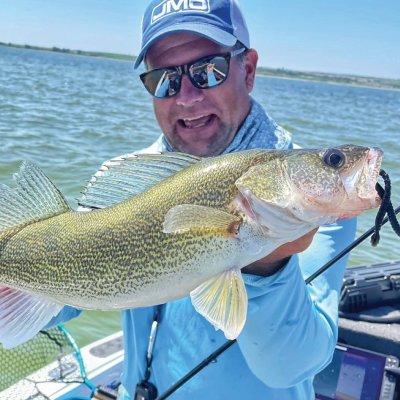
Jason’s Pro Tip for Rigging Soft Plastics
To keep the plastic secure without constant adjustments, slide the plastic firmly onto the hook shank and give it a quick snap to seat it tightly against the jig head. Add a small amount of super glue to the hook shank for extra holding power.
How to Fish Soft Plastics for Walleyes
One of the biggest advantages of soft plastics is how many ways you can fish them. Here are a few proven techniques.
Option #1: Dragging
Dragging is especially effective early in the season when walleyes are less aggressive.
-
Cast your jig out and slowly drag it back
-
Move it 2–4 feet at a time
-
Make occasional bottom contact
This slow, subtle approach works best with paddle tail plastics, which create gentle vibration and action even at minimal speeds.
Option #2: Casting & Slow Reeling
A simple cast-and-retrieve can be deadly when fish are spread out.
-
Cast the jig
-
Reel slowly
-
Let the plastic do the work
Paddle tail profiles excel here by adding movement without overpowering the presentation.
Option #3: Hopping, Twitching & Popping
As the season progresses and walleyes become more active, switching to a more aggressive presentation can trigger reaction bites.
-
Hop or pop the jig off the bottom
-
Add short twitches for added action
For this style, a straight minnow-style plastic shines. Without a paddle tail, the bait flutters naturally as it falls, closely mimicking fleeing baitfish.
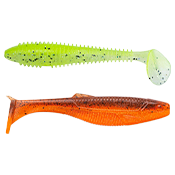
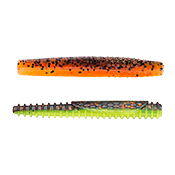
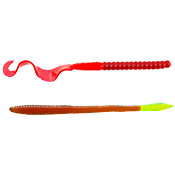
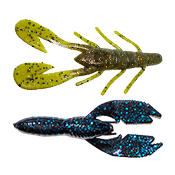
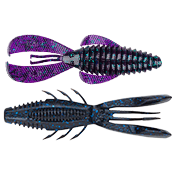
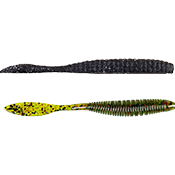
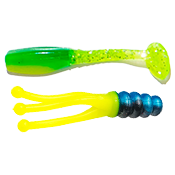
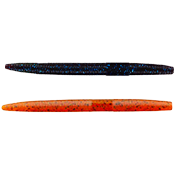
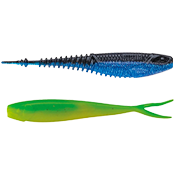
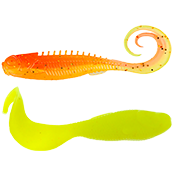
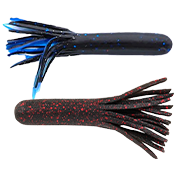
Soft plastics allow anglers to fish faster, cover more water, and stay focused on presentation rather than re-baiting. By choosing the right jig size, matching the plastic profile to your technique, and rigging your bait correctly, you can confidently rely on soft plastics throughout the entire open-water season. If you have additional fishing questions, stop into your local SCHEELS to speak with a Fishing Expert.
About our Experts
Jason Mitchell is an industry-leader in both ice and open-water fishing. He enjoys fishing for a variety of different species in the Midwest. He has been a partner with SCHEELS for over 10 years.