



Barefoot, Minimalist & Zero Drop Shoes Explained
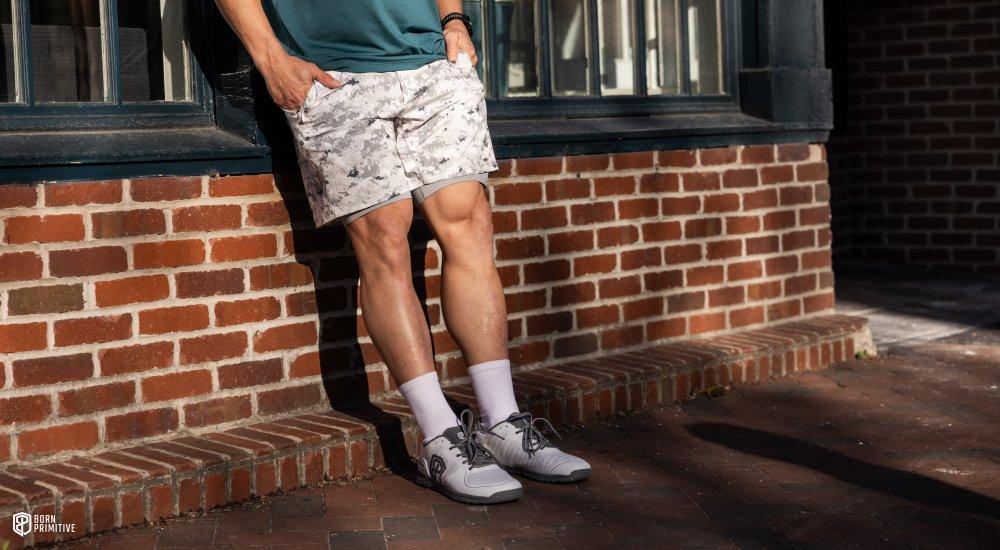
Choosing natural footwear can be overwhelming. Before picking a pair of these shoes, you first need a clear framework to tell barefoot, minimalist, and zero-drop shoes apart, and match them to your specific activities—whether that's walking, running, gym workouts, or daily wear. Understanding how cushioning, flexibility, and heel-to-toe drop align with your experience level and movement goals gives you the clarity you need to make the right choice. Our Experts break down each shoe category by use case and design features so you can confidently choose the ideal footwear for your feet and lifestyle.
Barefoot vs Minimalist vs Zero Drop
Barefoot, minimalist, and zero drop shoes are often used as interchangeable terms. However, there are distinct features to each type of shoe that can be easily identified. Some shoes feature either zero drop or minimalist features, while others can be classified as both. Barefoot shoes, for example, are both minimalist and zero-drop in nature.
Related Expert Advice: Parts of a Running Shoe
Zero Drop Shoes
Zero-drop shoes are footwear defined strictly by sole geometry: they feature a 0 mm elevation difference between the heel and the forefoot. Traditional athletic shoes feature an 8 to 12 mm difference in height between the toe and heel placement to assist with movement. This flat, level platform ensures that your heel and toes sit at the exact same height relative to the ground, placing your feet in a natural, neutral position.
However, this does not mean they are automatically minimalist or barefoot shoes. Zero-drop shoes range from ultra-thin, flexible barefoot models to heavily cushioned, "maximalist" running shoes depending on the amount of cushioning used.
What is the purpose of a zero-drop shoe?
By placing the heel and forefoot at the same height, zero-drop shoes encourage a more level stance and natural movement. Zero-drop footwear promotes balanced body alignment and naturally encourages landing on the midfoot or forefoot rather than heel striking. Positioning the heel level with the forefoot increases mechanical workload and stretches on the calves and Achilles tendons, which can help to build lower-leg strength over time, but requires a gradual transition.
Minimalist Shoes
Minimalist shoes serve as a middle ground or hybrid between traditional, heavily cushioned athletic shoes and ultra-thin barefoot shoes. They are identified by their thin soles and typically feature a heel-to-toe drop of less than 8 mm. Minimalist shoes also commonly feature a wide toe box, little to no arch support, and high flexibility with a lightweight design.
You should consider moving into minimalist shoes when you want to strengthen your foot muscles, improve your balance, and naturally encourage a lower-impact midfoot or forefoot striking gait. They are known to be good for running, cross-training, and casual wear.
What are minimalist shoes good for?
-
Walking & All-Day Wear: Lightweight cushioning, a wide toe box, and a natural foot position provide all-day comfort while encouraging natural movement.
-
Running & Training: A low-profile design keeps you closer to the ground for improved stability, balance, and body awareness during movement.
-
Gym, Cross-Training & Strength Work: A flat, zero-drop platform and wide toe box create a stable foundation for lifting, better force transfer, and secure footing during dynamic exercises.
-
Casual Wear & Travel: Flexible, lightweight materials and packable designs offer everyday comfort, breathability, and convenience for travel or long days on your feet.
Barefoot Shoes
Barefoot shoes are a specialized subset of footwear that are both zero-drop and minimalist footwear. They are designed to mimic the mechanics and sensory feedback of walking or running barefoot while providing basic protection from terrain hazards.
Transitioning to Minimalist Shoes
Consider moving into minimalist shoes when you want assistance in strengthening your foot muscles, improving your balance, and encouraging a lower-impact midfoot or forefoot striking gait. A transitional timeframe is recommended to allow your feet and body to adapt to the differences in footwear types. Our Experts outline the recommended steps in the transition between traditional shoes and minimalist and zero drop footwear.
-
The Neutral Step: If currently using stability or motion-control footwear, transition to a standard neutral shoe first to let your feet begin stabilizing themselves.
-
The Level Step: Move to a cushioned zero-drop shoe to help your posture, joints, and tendons adjust to a completely level stance.
-
The Flex Step: Step down to a highly flexible, minimally cushioned shoe to safely build up lower-leg and arch strength.
-
The Barefoot Step: Progress to an ultra-thin barefoot shoe, restricting initial use to short 30-minute walks or twice-a-week drills before building up daily wear. This gives your calf muscles and Achilles tendons the necessary time to adapt to the increased physical demand before attempting any high-intensity running or jumping.
Benefits of barefoot and zero-drop shoes, and who should avoid them
While barefoot and zero-drop shoes can significantly improve foot health and strengthen your foot's muscles and tendons, they are not a universal cure-all. Because these shoes lack traditional structural support and cushioning, they can easily aggravate or worsen existing conditions like flat feet, high arches, bunions, hammertoes, or active plantar fasciitis.
Consequently, the best time to transition into minimalist shoes is when your feet are healthy and free of active injuries, making a prior consultation with a podiatrist essential if you have any pre-existing foot issues. If you get the green light, you must transition gradually to avoid overuse injuries like stress fractures, calf strain, or Achilles tendinitis. The ideal first step in this progression is moving away from rigid stability or motion-control footwear into traditional neutral shoes before you begin introducing minimalist or zero-drop platforms.
Footwear Feature Matrix: Barefoot vs. Minimalist vs. Zero-Drop
| Feature/Dimension | Zero-Drop Shoes | Minimalist Shoes | Barefoot Shoes |
|---|---|---|---|
| Heel-to-Toe Drop | Only 0mm | Low to Zero (< 8mm) | Only 0mm |
| Cushioning & Stack Height | Varies (Minimal to Ultra/Maximal) | Low to Moderate | Minimal (3-10mm ultra-thin sole) |
| Sole Flexibility | Moderate to High (depends on sole thickness) | High | Maximum (bends and rolls completely) |
| Arch Support | Varies (None to Supportive Cushion) | Little to None | None (Zero arch/motion support) |
| Toe Box Design | Wide/Foot-Shaped (varies by model) | Wide anatomical toe box | Wide anatomical toe box (allows full toe splay) |
| Ground Feel/Feedback | Low to High (cushion-dependent) | high | Maximum ground connection |
| Core Focus/ Ideal for | Natural posture alignment with customizable cushion | Easing into natural foot movement and protection | Maximum natural foot mechanics and strength |
Ultimately, transitioning to natural footwear is a personal journey of reclaiming your foot’s natural strength and alignment. The key to a successful transition is progressing gradually and listening to your body, whether you choose the forgiving platform of a cushioned zero-drop shoe or the sensory freedom of a fully barefoot model. By matching the right level of protection and flexibility to your current experience and daily activities, you can confidently help your feet move exactly the way they were designed to.
If you have additional questions about choosing the right pair of shoes for you, stop into your local SCHEELS and speak with a Footwear Expert.