


Caring for Your Optic: Cases, Cleaning, and Storage
Investing in high-quality optics like binoculars, rangefinders, and spotting scopes is a major step toward a successful outdoor adventure, but how you protect and carry them in the field is just as critical. The right carrying system shields your valuable investment from rugged terrain while keeping your gear balanced and instantly accessible. Our Experts outline the importance of protective cases for all kinds of optics and answer your questions about fitting and cleaning them to ensure peak performance year after year.
The Importance of Protecting Your Optic
Your optics represent a major financial investment built with highly precise optical and electronic components. In the varied environments of the field, unprotected gear is highly vulnerable to drops, sudden impacts, and exposure to moisture, dust, and sand, which can cause body cracks, lens scratches, or internal component misalignment. Utilizing a dedicated case or harness provides an essential shock buffer that shields delicate glass from these physical and environmental hazards.
Disciplined storage such as keeping the unit in its protective housing when not in active use, and avoiding direct sunlight or high-heat environments prevents damage to sensitive coatings and electronics. Proper protection directly translates to better device longevity, maintaining consistent, precise performance year after year.
Related Expert Content: Hunting Optics Basics >
What to Look for in an Optic Case
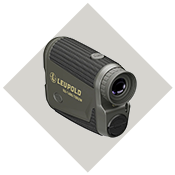
1. Purchasing a Rangefinder Case
-
Impact-resistant hard shells or lightweight, flexible soft shell pouches.
-
Quiet closures like magnetic clasps or elastic loops to avoid spooking wildlife.
-
Secure belt loops, carabiners, or modular webbing for pack attachment.
-
Water-resistant materials with sealed seams to protect internal electronics.
-
Check dimensions carefully; tight cases press buttons, while loose fits offer less protection.
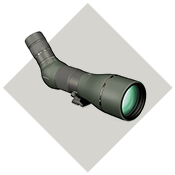
2. Purchasing a Spotting Scope Case
-
Removable padded cases or form-fitting neoprene covers.
-
Dustproof and water-resistant materials to shield lenses during rugged travel.
-
Confirm the cover allows easy, unobstructed access to the focus wheel and eyepiece.
-
Ensure stay-on covers won't flap in the wind and shake your sight picture.
-
Verify compatibility with your model, noting angled versus straight and objective lens size.
Binocular Harness vs. Binocular Neck Strap
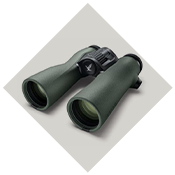
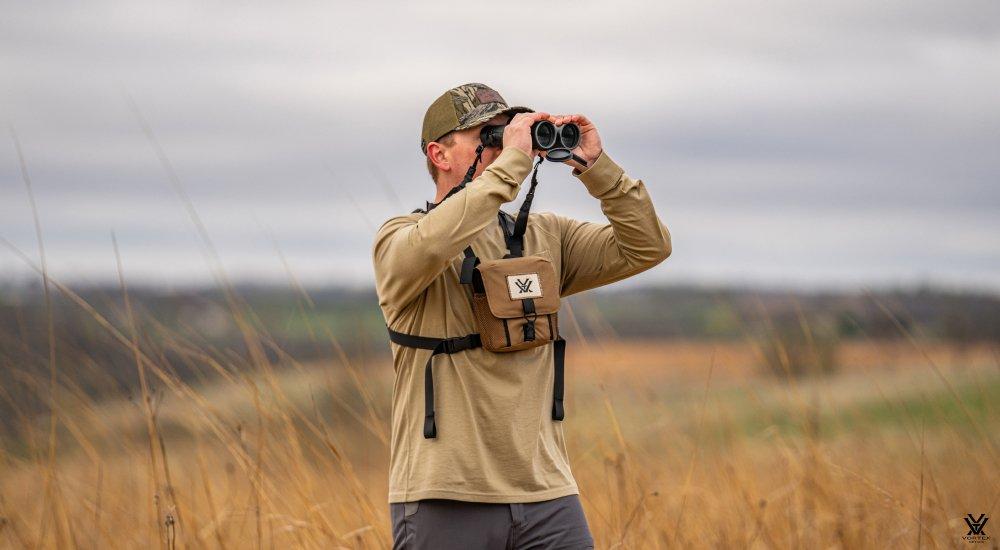
A binocular chest harness is the superior choice when traversing difficult terrain, as it completely frees up your hands for balance while preventing your optics from swinging wildly and getting damaged. Unlike a traditional neck strap, a harness keeps your binoculars securely anchored close to your chest to eliminate bounce, avoid jangling, and prevent accidental drops, while evenly distributing weight across your shoulders and back to alleviate neck strain. Additionally, for hunters, birders, or photographers carrying other heavy gear, a harness keeps your optics safely out of the way yet instantly accessible.
How Binocular Harnesses Work and How to Judge Fit
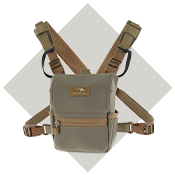
A binocular harness works by utilizing criss-cross shoulder and back straps to distribute the weight of your optics evenly across your torso, holding your binoculars securely close to your chest when you are on the move. Having a properly adjusted fit directly impacts your comfort and bounce control while also maintaining a rapid draw speed for sudden glassing opportunities. The best chest harness for your needs will ultimately depend on your optic size, chest fit, clothing layers, and whether you prefer a minimalist, low-profile design or a fully enclosed, protective pouch style.
Testing Your Harness Setup
To attach your binoculars, thread the connector straps through the side eyelets and clip them to the harness, or simply click any quick-release connectors directly into place. Then, center the optics on your chest and tighten the straps until they rest snugly against your body to prevent bouncing or swinging.
To verify a correct fit, test your movement by bending over and reaching overhead. You will know your setup is dialed in when:
-
There is no bouncing or twisting of the straps when you move.
-
The harness distributes weight evenly to prevent any painful pinch or pressure points on your neck and shoulders.
-
You maintain rapid, quiet draw speed to access your optics instantly.
Testing Your Other Field Gear
For a rangefinder pouch, confirm the fit is snug enough to prevent movement and shock without being so tight that it exerts button-pressing pressure on the unit. You should also check that the closure style—such as a magnetic clasp or an elasticated loop—allows for completely quiet, one-handed retrieval.
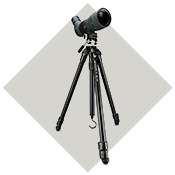
For a spotting scope case, verify its attachment stability by ensuring it is securely mounted and does not sag or wobble when attached to your backpack's modular MOLLE webbing or carried with a padded shoulder strap.
Cleaning and Storing Your Optics
As we discussed earlier, keeping your glass clean is absolutely vital, as dirt, smudges, and other particulates will degrade light transmission and reflection, compromising your view. Clean optical components are the only way to guarantee superior performance out in the field.
To safely remove debris without scratching delicate, expensive coatings, our Experts recommend this step-by-step approach:
-
Contact-Free Cleaning: This is the safest cleaning method and serves as an excellent first step for loose dust. Never use your mouth to blow away dirt, as saliva can leave behind unwanted residue. Instead, use compressed air to safely blow the dust off the lens.
-
Tackle Fingerprints and Oils with Solvent: For oily smudges, use lens tissue and a small amount of alcohol or acetone. Lay the tissue flat on the lens, add a few drops of solvent, and gently wipe across the surface. Keep the tissue lightly damp so the solvent evaporates cleanly as you wipe.
-
Spot-Clean Stubborn Smudges: For highly resistant smudges, you can use a cotton-tipped swab. Lightly dampen the swab with alcohol or acetone, then gently rub from the center outward to the edges. Our Experts recommend small, circular motions, as it prevents streaking on the optic lens. (Note: If you are cleaning any optical mirrors, avoid using cotton swabs forcefully as they can easily damage delicate metallic coatings.)
Following this gentle, contact-conscious routine will prevent cumulative scratches, preserve your light transmission, and keep all your high-end gear functioning like new.
Ultimately, protecting your high-end optics is about preserving both your financial investment and your performance in the field. Whether you choose a stable chest harness, a rugged rangefinder pouch, or a protective spotting scope case, the right carrying setup keeps your gear balanced and ready at a moment's notice.
For more information on cases for spotting scopes, binoculars, or rangefinders, visit your local SCHEELS to talk with an Optics Expert.