



How to Choose the Right Running Shoes
This article is part of the Running 101 series.
Whether you prefer to log your miles on the pavement, trail, or treadmill, running takes a lot of hard work, perseverance, and dedication. Casual runners and marathoners alike know that quality running shoes make all the difference when it comes to reaching your goals. Since no two runners are alike, finding a comfortable pair of running shoes that offers the proper support for your body can be a bit of a challenge. Our Running Footwear Experts share the basics for how to choose running shoes.
What We’ll Cover:
-
Type: How to choose the right type of running shoe—road, trail, or cross-training—based on where you’ll be running.
-
Support: How to find the right level of support—neutral, stability, or motion control—based on how you pronate.
-
Cushioning: How to determine the level of cushioning you want in your running shoe.
-
Fit: How to make sure your running shoe fits properly to avoid discomfort.
Types of Running Shoes
There are three main types of running shoes: road running shoes, trail running shoes, and cross-training shoes. To narrow down which type of running shoes you need, ask yourself two questions:
-
What surface will I be doing most of my running on?
-
What will be the average distance of my runs?
Knowing the answers to these two questions will help you determine the best type of running shoes to buy.
Road running shoes are the most common and versatile option and are best if you’re planning to run long distances either outside on a sidewalk or indoors on a track or treadmill. With lightweight uppers and flexible outsoles, you’ll enjoy stability and cushion, while the materials offer durability for frequent use. Are you training for a city 5K, 10K, half marathon, or marathon? Road running shoes are the type you’ll want to wear throughout training and during the race.
Trail running shoes are built for uneven and unpredictable surface conditions. With bigger lugs on the outsole, trail running shoes grip the terrain better than road running shoes. The uppers are typically constructed from stiffer and more durable materials compared to road running shoes to protect your feet from rocks or other hazards. If you’re planning on running at a national or state park, you’ll want to wear trail running shoes for the right support and stability.
Featured Expert Content:
Cross training shoes feature a sturdy design and multipurpose outsoles for versatility while working out. Cross training shoes can be worn on the treadmill, but only for short distances of up to a couple of miles. This type of shoe is perfect for people who do some running while working out but also spend time lifting weights or playing sports.
Featured Expert Content:
Types of Running Shoe Support
Once you know the type of running shoes you need, it’s time to narrow down the support. There are three different types of support within running shoes: neutral, stability, and motion control. The type of running shoe support you need is based on how you pronate.
What is Pronation?
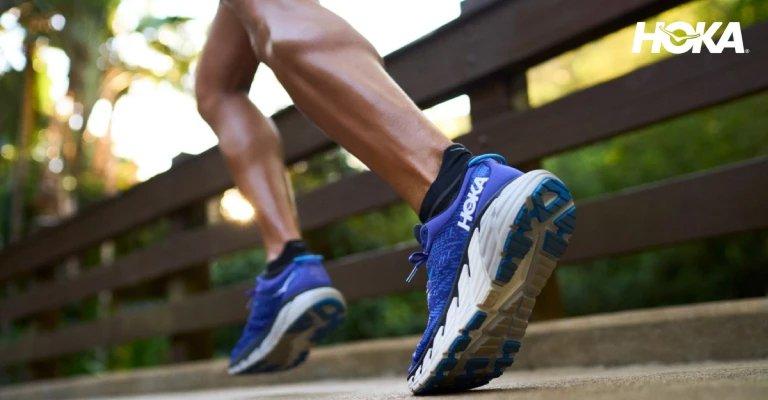
The way your foot strikes the ground when you run is known as pronation. Some runners overpronate meaning they run more on the interior of their feet. Other runners supinate meaning they run more on the outer edges of their feet. Knowing how you pronate will help you determine what type of support you need: neutral, stability, and motion control.
Most runners fall into needing a pair of stability or neutral running shoes.
Which Type of Support Do I Need?
To find out what type of support you need, look at the outsole on a worn pair of shoes and pay attention to the wear:
-
Even wear on the heel and near the forefoot means you most likely overpronate and need stability running shoes.
-
More wear around the outer edges means you most likely supinate and need neutral running shoes.
-
Even wear on the outsole means you have neutral pronation and need neutral running shoes.
-
Significant wear on the inner parts of your shoes means you most likely heavily overpronate and need motion-control shoes.
Amount of Cushioning in Your Running Shoes
When it comes to cushioning in your running shoes, it depends on personal preference. The more cushion within your running shoes the softer the landing, while minimal cushion provides a greater connection between the runner and the pavement. How much cushion a running shoe has can be indicated by the midsole drop.
-
0mm midsole drop is for a barefoot experience.
-
6mm and lower midsole drop is for a lightweight, responsive ride.
-
10mm is a common midsole drop that provides a balanced feel.
-
12mm and above midsole drop offers a maximum cushion experience.
Featured Expert Content:
Running Shoe Fit
The last step in choosing a pair of running shoes is making sure your running shoe fits properly. This is important to avoid discomfort and blisters.
-
You want roughly a half inch of space between your big toe and the end of the shoe.
-
You’ll also want the shoe to fit snugly around the middle of your foot and heel.
In-Depth Expert Advice: Our Running Footwear Experts dive deeper into how to check that your running shoes fit correctly.
Learning how to pick running shoes is important to help prevent running-related injuries and pain. With the proper type of running shoe and support, you’ll stay motivated and on track to reaching your running goals. If you have any questions or need additional help finding the right pair of running shoes, contact a Footwear Expert at your local SCHEELS.