



How to Choose a Hunting Pack
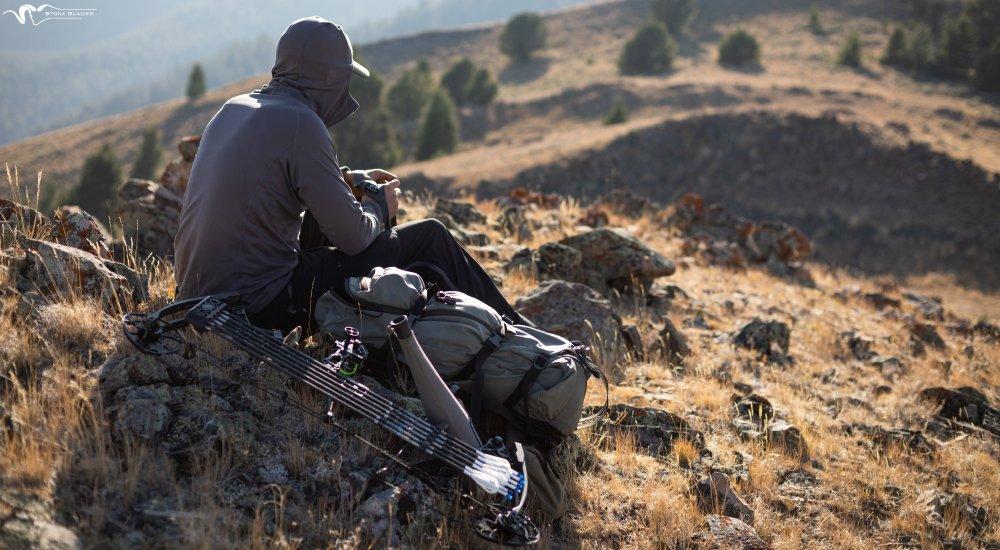
Whether you're heading into the woods for a morning sit or planning a multi-day backcountry hunt, the right hunting pack helps keep your gear organized, comfortable to carry, and ready when you need it. Our Hunting Experts explain how to choose the right hunting pack based on the length of your hunt, the gear you carry, and the features that matter most.
Our Experts Cover:
The Right Pack Capacity: Day vs. Multi-Day Hunts
When choosing your pack, a good place to start is the duration of your hunt. Packing for a day hunt is significantly different from packing for a multi-day trip. Most hunting packs list their capacity in cubic inches or liters to help compare sizes. While every hunter packs differently, a good starting point is to plan about 1,000 cubic inches of pack capacity for each day of the hunt.
-
Day Hunts: 1,000-2,000 cu. in. (20-35L)
-
Weekend Hunts (2-3 days): 2,000-3,500 cu. in (35–60L)
-
Multi-Day Hunts (4-7 days): 3,500-6,000+ cu. in. (60-100+L)
Aside from the length of your hunt, consider whether you'll be with a guide or on your own. Guided hunts often require you to carry less gear like food, navigation essentials, and emergency equipment.
Expert Tip | A hunting pack is an investment. Even if you're just getting started, think about the types of hunts you hope to take in the future. Choosing a pack with enough versatility for longer or more demanding hunts can save you from upgrading sooner than expected.
Features & Functionality of a Hunting Pack
While capacity helps narrow down the right size, the features of a hunting pack determine how comfortably it carries your gear. From adjustability to specialized storage, each component works together to distribute weight, improve stability, and keep your gear accessible.
Waist Belt
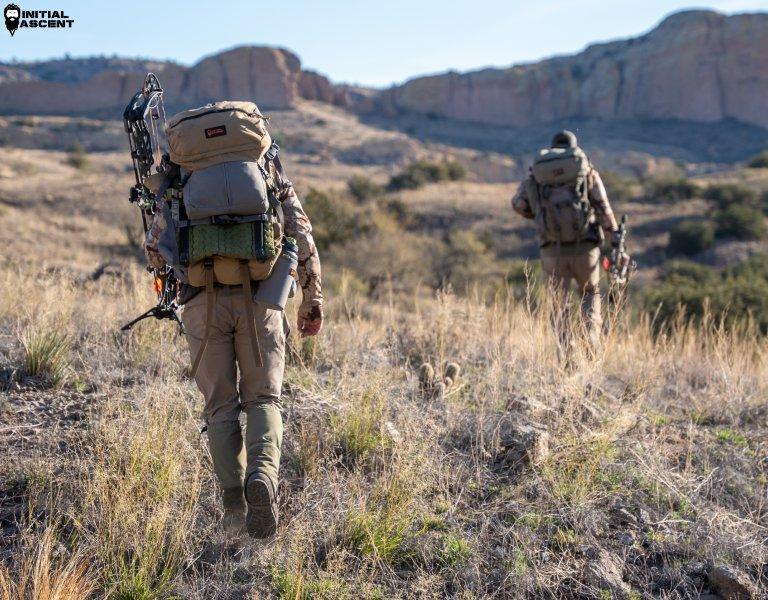
The waist belt is designed to transfer most of the pack’s weight to your hips, rather than keeping the load on your shoulders. This helps reduce fatigue, aches, and pains when on a long hike. Many hunting packs offer different waist belt sizes—small, medium, and large—so you can find the perfect fit to provide a solid foundation for your pack.
Shoulder Straps
Padded, adjustable shoulder straps help keep your pack stable while evenly distributing the remaining weight across your upper body. Look for straps that contour comfortably to your shoulders.
Load Lifters
Located at the top of the shoulder straps, load lifters allow you to fine-tune how the pack sits against your body. Tightening these straps pulls the load closer to your back, improving balance and stability while helping shift weight toward your hips. This adjustment becomes especially important when carrying heavier loads.
Frame
The frame is the foundation of a hunting pack, providing the structure needed to support heavy loads and distribute weight more efficiently. Hunting packs are typically built with either an internal frame or an external frame, and the right choice depends on how and where you hunt.
-
Internal frame packs are built with structural supports, such as carbon rods, integrated inside the pack to keep the load closer to your body for improved mobility and balance.
-
External frame packs use a more rigid frame system that provides a strong foundation for heavier loads to help transfer weight more efficiently to your hips and supports bulky gear.
| Internal Frame | External Frame |
|---|---|
| Improved mobility & streamlined fit | Maximum load support & stability |
| Best for day hunts & moderate loads | Best for heavy loads & meat hauling |
| Keeps weight closer to your body | Transfers more weight to your hips |
Meat Hauling Capability
If you plan to hunt big game, consider a pack with built-in meat hauling capabilities. Many packs feature a load shelf or dedicated space between the frame and the main pack bag, allowing you to securely carry meat while keeping it separate from your gear. Combined with compression straps and a supportive suspension system, these features help you transport heavy loads more comfortably after a successful harvest.
Material & Durability
Hunting packs are built to withstand rugged terrain, changing weather, and repeated use. Durable, abrasion-resistant fabrics help protect your gear from brush, rocks, and rough conditions, while water-resistant materials or integrated rain covers help keep your equipment dry.
Storage & Organization
An organized pack makes it easier to access essential gear without unpacking everything. Look for a layout that matches your hunting style, whether that's multiple compartments, external pockets for quick-access items, side pockets for water bottles or spotting scopes, or compression straps to secure extra gear.
Finding the Proper Hunting Pack Fit
Even with the best pack, if it’s not fitted correctly, you’ll run into problems on the hunt. Each pack offers slightly different adjustments depending on the construction.
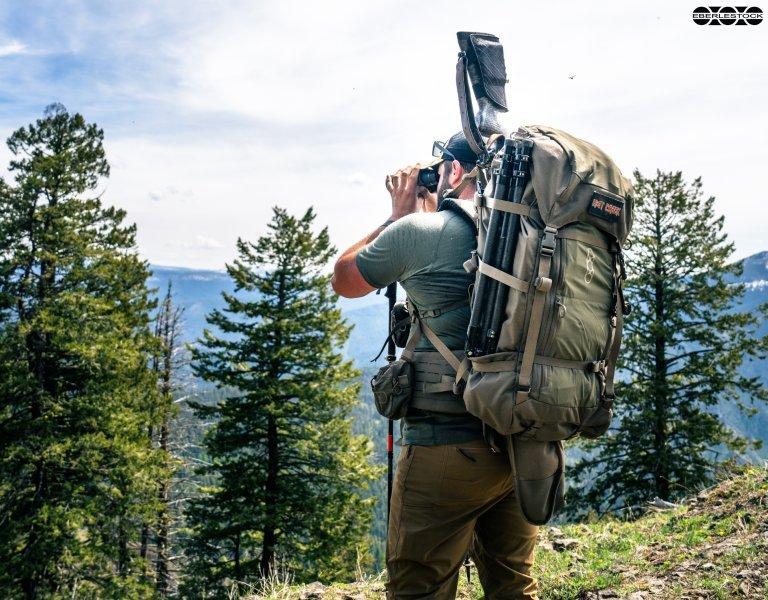
Our Hunting Experts highlight the general steps on how to fit your pack:
1. Load the Pack: Add up to 30 pounds of weight to your pack. This is to mimic the weight you’ll carry on your hunt.
2. Loosen Everything: Make sure all your straps including sternum, load lifters, shoulder straps, and hip belt are loosened before making any adjustments.
3. Put the Pack On & Position the Hip Belt: Position the hip belt first. The center of the padded hip belt should wrap around your hip bones (iliac crest), with the top edge sitting roughly 1–2 inches above the crest. Tighten the belt snug so it stays in place but doesn’t feel uncomfortable.
4. Adjust Shoulder Straps: Next, tighten your shoulder straps until snug so the pack frame sits close to your body without creating pressure points.
5. Adjust Your Torso Length: Many premium hunting packs have an adjustable torso length. At this point, the shoulder straps should sit comfortably over your shoulders without gaps. If they feel too high or low, adjust the torso length and repeat the previous steps.
6. Adjust Sternum Strap: Now, secure the sternum strap, but be careful not to overtighten. It should sit naturally across the chest about two inches below the collarbone.
7. Tighten Load Lifters: Gradually tighten the load lifters to pull the top of the pack closer to your body, improving balance and reducing pressure on your shoulders.
8. Check the Fit: After adjusting all straps, make sure:
-
The hip belt wraps securely around your hips without slipping.
-
The shoulder straps lie flat without gaps or pressure points.
-
The sternum strap sits about two inches below your collarbone.
-
The load lifters create roughly a 30–45° angle, depending on your load.
-
Most of the pack’s weight feels supported by your hips rather than your shoulders.
Expert Tip | Walk around with your loaded pack before heading into the field. Small adjustments to the hip belt, shoulder straps, or load lifters can make a big difference over several miles.
The best hunting pack is one that matches your hunting style, carries your gear comfortably, and fits your body properly. By choosing the right capacity, prioritizing key features, and taking the time to dial in the fit, you'll be better prepared for everything from quick day hunts to extended backcountry adventures. If you have additional questions about choosing a pack or preparing for the hunt, stop by your local SCHEELS to speak with a Hunting Expert.