



How to Choose Softball Cleats
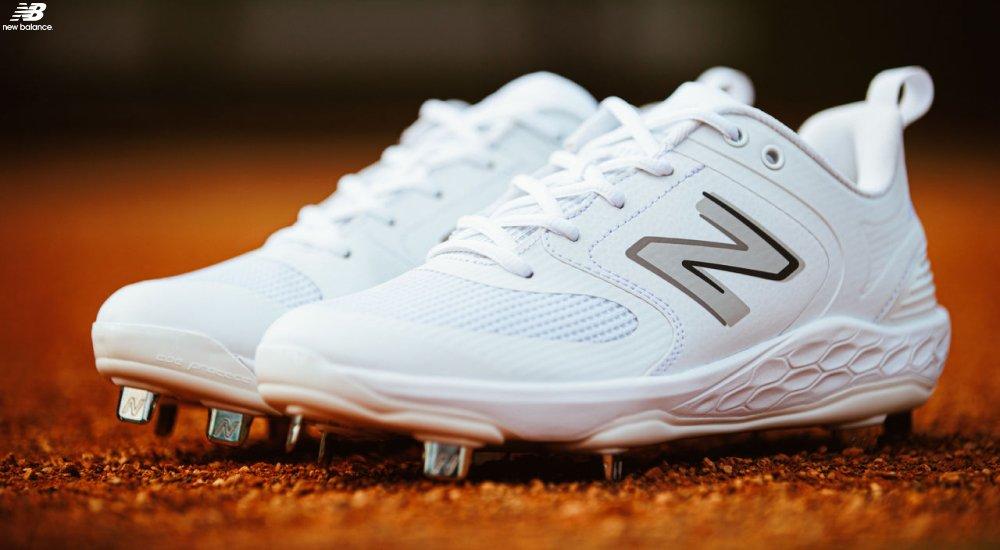
Whether you’re just starting out or have been playing for a few seasons, stepping onto the field with the right softball cleats can make all the difference. Our Softball Experts break down everything you need to know—from the parts of a softball cleat to the different types, key features, and proper fit—so you’ll be ready to find the perfect pair for the season ahead!
Parts of a Softball Cleat
It's helpful to understand the key parts that make up a softball cleat and how each contributes to overall performance and comfort. Knowing these parts will help you choose which features align with your needs.
-
Upper: This is the part that covers the top of your foot and typically made from synthetic leather or woven mesh for a blend of support, breathability, and durability.
-
Midsole: The midsole is a layer between the upper and the outsole that provides cushioning and absorbs impact. Each brand offers its own premium foam technologies to enhance comfort, reduce fatigue, and maximize energy return.
-
Outsole: This is the bottom part of your cleat where the studs are located and provides the traction needed for explosive starts and quick stops.
-
Studs: These are permanently attached to the outsole and provide the grip. They can be either molded or metal studs.
Types of Softball Cleats
Choosing the right type of softball cleat largely depends on your league's rules, your playing surface, and your personal needs. Understanding the differences between each type will help you narrow down your options.
Molded (Rubber or TPU) Cleats
Molded cleats have non-removable studs made from rubber or thermoplastic polyurethane (TPU). These wider, evenly spaced studs provide a comfortable, sneaker-like feel while offering durability and versatility.
| Pros | Cons |
|---|---|
| Perform well on a variety of surfaces, including natural grass and dirt fields | Less traction on soft or wet fields compared to metal spikes |
| Distributes pressure evenly making them more comfortable | Slightly heavier than some metal spike options |
| Durable to last throughout the season | Not always preferred for high-level or elite play where more grip is needed |
Ideal for youth leagues, recreational adult leagues, and players looking for comfort and versatility
Metal Cleats
Metal cleats feature removable, pointed spikes that dig into the field for maximum traction. They’re a popular choice for players looking for explosive speed, quick cuts, and enhanced stability, especially on soft or wet fields.
| Pros | Cons |
|---|---|
| Superior traction on soft grass, dirt, and wet fields | Can be less comfortable for extended wear due to pressure points |
| Removable spikes allow customization for different field conditions | Require more maintenance and occasional spike replacement |
| Lightweight designs can enhance speed and agility | Not recommended for turf field or recreational leagues |
Ideal for high school and college players whose leagues allow metal cleats
Turf Shoes
Turf shoes are designed specifically for artificial turf surfaces, though they can also be worn for warm-ups or casual play. They feature a sneaker-like design with a textured rubber outsole and smaller, multi-directional nubs instead of traditional cleat spikes.
| Pros | Cons |
|---|---|
| Provides traction on artificial turf without digging in too aggressively | Limited traction on natural grass or dirt fields compared to molded or metal cleats |
| Comfortable, lightweight, and ideal for extended wear during practice or warm-ups | Not designed for official games on grass or dirt surfaces |
| Perfect for indoor training facilities, turf batting cages, and year-round practice | Provides less grip for quick cuts or explosive movements than cleats |
| Helps preserve cleats for game day on natural fields |
Ideal for players who frequently practice or play on turf, pre-game warm-ups, and coaches
Finding the Right Fit
A properly fitting cleat is necessary for both comfort and performance. A poorly-fitting cleat can lead to blisters, discomfort, and even compromise your stability and speed on the field.
-
Snug but Comfortable: Your cleats should fit almost like a second skin, but not too tight or constricting. You need a secure fit that prevents your foot from sliding around inside the shoe.
-
Toe Room: With your cleats on, stand up and check that there's a finger's width of space between your longest toe and the end of the shoe. This will prevent your toes from hitting the front of the cleat, causing discomfort.
-
Wear Socks: The thickness of your socks can make a difference, so always try on your cleats wearing your softball socks.
Caring for Your Softball Cleats
Proper care will extend the life of your cleats and keep them performing at their best. Here are a few Expert tips:
-
Remove dirt and mud after each use
-
Let cleats air dry completely to prevent odor
-
Store in a cool, dry place

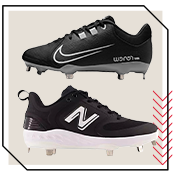
Choosing the right cleats, ensuring a proper fit, and keeping them well-maintained can make a big difference in your comfort and performance on the field. With brands like New Balance, Nike, and Mizuno as well as the selection of molded and metal styles, you’ll find the right fit at SCHEELS. If you have additional questions about choosing a pair of softball cleats or getting ready for the season, stop into your local SCHEELS to speak with a Softball Expert.
Frequently Asked Questions about Softball Cleats
Our Footwear Experts hear many questions when helping customers find the right pair of softball cleats. Below are a few of the most commonly asked questions: