



A Guide on How to Layer for Hunting
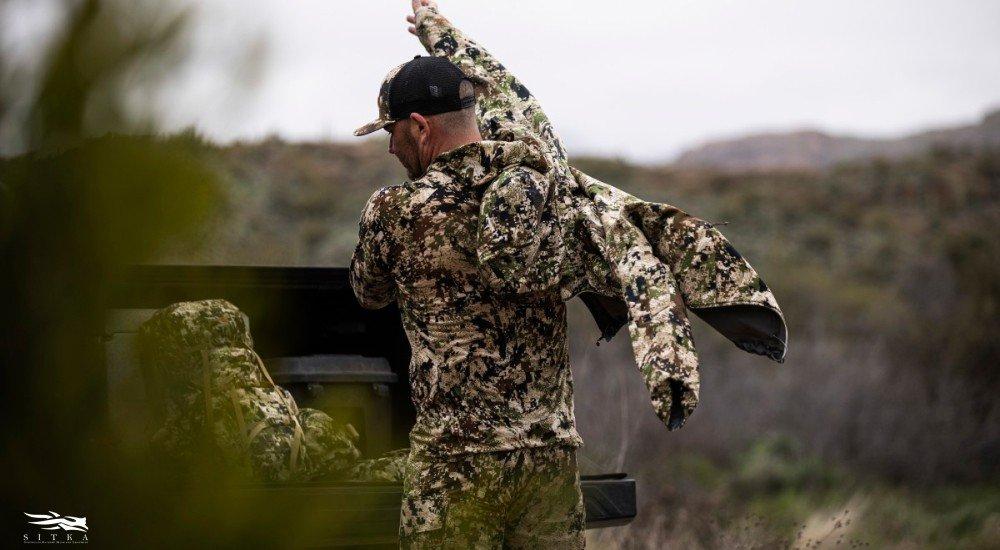
When it comes to hunting, there’s plenty of preparation to be done—fine-tuning your aim, breaking in your hunting boots, and prepping your hunting pack with the right gear. Another important part of gearing up for the season is making sure you have the proper hunting layering system to keep you undetected and protected in a range of different weather conditions. Our Hunting Clothing Experts explain the three essential pieces and benefits of a hunting layering system—base layer, mid-layer, and outer layer.
What Our Experts Cover:
Why Layering Matters for Hunting
Unlike everyday clothing, a hunting layering system is designed to adapt as weather conditions and your activity level change throughout the day. Instead of relying on one heavy jacket, multiple layers allow you to add or remove insulation as needed while continuing to stay dry and comfortable.
Every hunting layering system is built to accomplish three primary goals:
-
Move moisture away from your skin
-
Regulate body temperature
-
Protect you from wind, rain, and snow
When each layer works together, you'll stay more comfortable and focused so you can spend more time hunting and less time worrying about the weather.
Considerations for Your Layering System
Every hunt is different, so there's no one-size-fits-all layering system. Before choosing your hunting clothing, consider these three factors.
Hunt Location & Weather
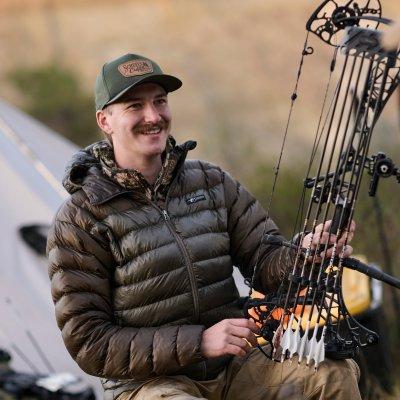
“Where and when you hunt will have the biggest impact on the layers you need. Mountain hunts often experience dramatic temperature swings throughout the day. A western elk hunt might begin below freezing, warm into the 70s by afternoon, and finish with snow before sunset. Even early-season hunts can surprise you with cold mornings before temperatures climb later in the day.”
Activity Level
The more you move, the more body heat you'll generate. Hunters hiking miles through steep terrain typically need lightweight, breathable layers that release excess heat. Hunters spending hours in a treestand, duck blind, or glassing from a ridge generally need additional insulation to stay comfortable during long periods of inactivity.
Expert Insight | For long glassing sessions or cold sits, Josh, SCHEELS Expert, likes packing highly compressible insulated layers that won’t take much room in his pack.
Personal Preferences
No two hunters regulate body temperature the same way. If you tend to run warm, you may need fewer insulating layers than someone who gets cold easily. Choosing layers that can be added or removed throughout the day gives you the flexibility to adjust to changing conditions.
Build Your Hunting Layering System
Once you've considered the weather, your activity level, and your personal comfort preferences, it's time to build your layering system. Every hunting layering system includes three key pieces that work together to keep you comfortable in changing conditions.
| Layer | Purpose |
|---|---|
| Base | Wicks moisture and regulates temperature |
| Mid | Provides insulation |
| Outer | Protects from weather |
1. Start with a Base Layer
Your base layer sits against your skin and manages moisture to help regulate body temperature. Look for Merino wool or synthetic fabrics that wick sweat, dry quickly, and breathe well. Avoid cotton, which absorbs moisture and can leave you feeling cold.
Best for:
-
High-output hunts
-
Moisture management
-
Temperature regulation

“For early-season hunts where ticks are a serious threat, I like to wear specialized bug-resistant hoodies and pants. These act as a “suit of armor” against bugs while breathing well enough to keep you from melting in the heat.”
2. Add a Mid-Layer
Your mid-layer traps body heat to keep you warm. The amount of insulation you need depends on the weather and how active you'll be. Lightweight fleece works well for hunters covering lots of ground, while insulated jackets or vests are better for long periods of sitting.
Best for:
-
Cold mornings
-
Treestand hunting
-
Adjustable insulation
3. Finish with an Outer Layer
Your outer layer protects you from wind, rain, snow, and brush while keeping your insulating layers dry. Look for durable hunting jackets and pants that balance weather protection with breathability and quiet performance in the field.
Best for:
-
Wind and rain
-
Brushy terrain
-
Wet or snowy conditions
Additional Layering Accessories
Aside from building your hunting layering system, you’ll want to make sure you have a hunting face mask or neck gaiter for greater coverage and concealment, hunting gloves that still allow your fingers to move, and a hunting hat for added protection.
The best hunting layering system isn't necessarily the warmest—it's the one you can adjust throughout the day as temperatures, weather, and activity levels change. With the right combination of base, mid, and outer layers, you'll stay comfortable and focused whether you're hiking mountain trails or waiting patiently in a treestand. If you have additional questions about how to build a hunting layering system, stop into your local SCHEELS and speak with a Hunting Clothing Expert.
About our Experts
Josh’s passion for archery began when his grandpa introduced him to traditional archery and gifted him a custom longbow he still keeps today. He’s hunted with a bow every season since age 12. He began his SCHEELS career in 2021 as Archery Specialty Shop Manager, finding the perfect balance of getting paid for his passion.
Keaton’s passion for archery began in childhood and grew after high school, leading him to compete in multiple national and local tournaments. He spends much of archery season in the woods and has been with SCHEELS since 2018, working in the archery department since 2019. He takes pride in helping customers of all experience levels and staying active in the archery community.