



Building the Perfect Camping Sleep System
A good night's sleep in the backcountry takes more than just tossing a sleeping bag into your tent. If the forecast calls for 35 degrees Fahrenheit and you pack a bag rated for exactly 35 degrees, you’re probably going to be cold. Quality rest comes down to having a complete sleep system tailored to the conditions. SCHEELS Camping Expert, Kyle, breaks down how to build the perfect sleeping system to get your best night’s rest when camping.
The Importance of Your Sleeping Pad
The ground naturally draws heat away from your body. In fact, you lose much more heat to the cold ground than to the crisp night air. That’s why a proper sleeping pad is essential for blocking out the cold and keeping you warm.
Understanding R-Value
When shopping for a pad, the R-value is your key indicator of warmth. This number measures the insulation within the pad. A higher R-value means more warmth, while a lower number offers less insulation. Your choice should always depend on the temperatures you expect to face.
For more information on R-value, see our Experts’ guide on choosing the right sleeping pad.
Choosing the Right Sleeping Bag
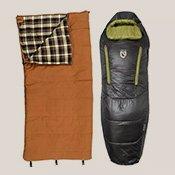
Beyond temperature ratings, think about your height and whether you tend to run hot or cold. Many sleeping bags offer standard and long lengths to ensure a proper fit. A great rule of thumb is to choose a bag rated for 10 to 20 degrees Fahrenheit colder than the lowest temperature you expect.
Down vs. Synthetic Sleeping Bags
Remember, insulation does not create warmth on its own—it traps your body heat. You have two main choices for insulation:
-
Down Insulation: Down is lightweight and highly compressible, making it great for saving space in your pack. However, it loses its insulating power if it gets wet.
-
Synthetic Insulation: If you’re expecting snow, heavy rain, or damp conditions, synthetic insulation is the best option because it stays warm when wet. The trade-off is that it tends to be heavier and bulkier than down.
Related Expert Content | How to Choose a Sleeping Bag
Pairing Your Sleeping Bag & Pad
Your gear needs to work together. Pairing a winter sleeping bag with a low R-value pad can leave you shivering in winter temperatures, as the insulation underneath you compresses when you lay down.
Here’s a quick guide to matching your setup:
-
Summer Camping: For summer nights, you can usually rely on a sleeping bag in the 40° F to 60° F range paired with a lightweight pad boasting an R-value of 1 or 2.
-
Three-Season Camping: For bags in the 20° F to 30° F range, look for a sleeping pad with an R-value that falls somewhere in the middle.
-
Winter Camping: When braving the cold with a bag rated for 0° F or lower, you will need a well-insulated pad with an R-value of 5 or more.
Expert Tips for Better Sleep When Camping
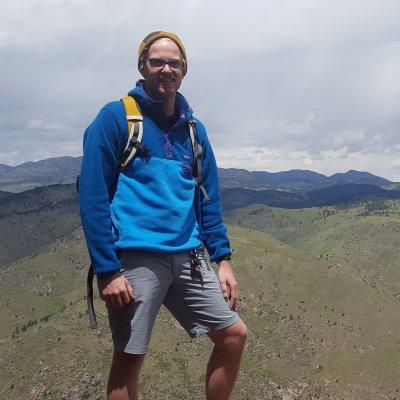
“Never go to sleep cold. Try doing a few jumping jacks before crawling into your tent, or stash a hot water bottle inside your sleeping bag for extra warmth throughout the night.
I’ve also found that taking a supplement with magnesium can help turn off the brain and let me focus on going to sleep for the night.”
More Essential Gear for Better Sleep
To truly replicate the comfort of home, consider a few key additions to your system:
-
Sleeping Bag Liners: A liner can add up to 14 degrees Fahrenheit of warmth and is easy to pull out if you get too hot. It also protects your main sleeping bag from dirt and debris, meaning you won’t have to wash it as often.
-
Camp Pillows: Air pillows save space and weight, but they can be slightly noisy when you move around. Foam pillows feel more like your bed at home, but they’re a bit heavier to carry.
No matter what trip you have planned, we have the right tools to ensure you can build the proper sleep system to enjoy your days out on the trail and in the backcountry. For further questions or assistance creating your perfect camping sleep system, reach out to our Camping Experts at your local SCHEELS.
About our Experts
Kyle’s love for camping started at age eight in the Boy Scouts. Since then, he's logged 500+ nights in a tent, tackled backpacking adventures, and spent countless weekends by a campfire. Whether it’s a full state park setup, a quiet stretch of backcountry, or a fire in the backyard—if there's fresh air and a little smoke in your clothes, he calls it camping.